
The short summary
What is 2 Thessalonians about?
2 Thessalonians encourages endurance under persecution and challenges claims that the day of the Lord has already arrived. It warns about deception and lawlessness while urging believers to hold to the teaching they received. The closing chapter asks for prayer and corrects those who refuse to work, calling the community to steady conduct and continued good.
2 Thessalonians 1:1–12; 2 Thessalonians 2:1–17; 2 Thessalonians 3:1–15.01 / Understand the whole
The book in context
The greeting names Paul, Silvanus, and Timothy. Thanksgiving focuses on growing faith, increasing love, and endurance amid persecution. The letter places the community’s suffering within an expectation of God’s just judgment and relief at Jesus’ revelation. Prayer asks that their conduct and faith bring honor to the Lord. 2 Thessalonians 1:1–12.
The readers are told not to be alarmed by a message, spiritual claim, or letter alleging that the day of the Lord has come. A passage about rebellion, a lawless figure, restraint, and deception recalls teaching already given to them. The section concludes by affirming their calling and urging them to stand firm in the traditions they received. 2 Thessalonians 2:1–17.
Prayer for the message to spread introduces further encouragement about faithfulness. The letter then confronts undisciplined members who refuse to work and interfere in others’ affairs, appealing to the missionaries’ own labor as an example. Correction is to retain a familial purpose rather than turn the offender into an enemy. A prayer for peace and a personal greeting close the letter. 2 Thessalonians 3:1–18.
02 / Follow the structure
A reading outline
A chapter-level reading guide; some literary movements cross these boundaries. Each link opens the section’s first chapter.
- 1Endurance and coming reliefThanksgiving for faith and love leads into judgment, hope, and prayer.
- 2Do not be deceivedThe claim that the day has arrived is challenged, followed by a call to stand firm.
- 3Prayer and responsible conductThe community is urged to work quietly, keep doing good, and correct with care.
03 / Notice the connections
Major themes
Hope without panic
The letter counters alarming claims about the day of the Lord. Its response points readers back to the instruction they already received. 2 Thessalonians 2:1–5; 2 Thessalonians 2:13–17.
Faithfulness amid affliction
Growth in faith and love is praised while persecution continues. Prayer connects future hope with present deeds and perseverance. 2 Thessalonians 1:3–12.
Responsibility with a restorative purpose
The warning concerns unwillingness to work and disruptive behavior. Even discipline is paired with treating the person as a fellow believer rather than an enemy. 2 Thessalonians 3:6–15.
04 / Background
Background at a glance
- Literary form
- Apostolic letter of reassurance and correction
- Setting in the text
- The Thessalonian church amid affliction and unsettled expectations
More about the background
The USCCB introduction to the New Testament letters distinguishes letters’ stated attribution from modern authorship judgments. It includes 2 Thessalonians among the Pauline letters for which scholarly discussion considers composition by a disciple. This guide therefore reports the letter’s named senders without treating direct composition by Paul as an uncontested conclusion. [1]
The opening names Paul, Silvanus, and Timothy; the ending presents Paul’s handwritten greeting as a mark of authenticity. Chapter 2 assumes prior oral instruction that the present reader does not possess in full. This overview does not identify its lawless figure or restrainer with a modern person or institution. 2 Thessalonians 1:1; 2 Thessalonians 2:1–8; 2 Thessalonians 3:17.
05 / Return to the text
Passages to explore
Passage links open the Berean Standard Bible. These selections offer starting points for exploring the book.
Faith under pressure
Read the promises of relief alongside the prayer for faithful action.
2 Thessalonians 1:3–12 MemorizeThe claim being corrected
Identify the disturbing message before interpreting the imagery that follows.
2 Thessalonians 2:1–5 MemorizeWork and mutual responsibility
Notice both the specific refusal to work and the instruction not to treat the offender as an enemy.
2 Thessalonians 3:6–15 MemorizeDoes 2 Thessalonians 3:10 condemn people who cannot work?
The wording addresses someone unwilling to work. The surrounding verses describe people living disruptively and being busybodies, and call them to work quietly. The passage should not be changed into a statement about people who are unable to work; it also tells the community not to tire of doing good. 2 Thessalonians 3:6–15.
Read 2 Thessalonians
Sources and reading notes
The summaries describe the biblical text; passage references let you check them in context. Historical and authorship notes are attributed separately. The outlines and passage selections are editorial reading aids.
- United States Conference of Catholic Bishops. New Testament Letters. New American Bible introduction; discussion of letters identifying Paul as their author and the reference to 2 Thessalonians. Catholic reference perspective. Accessed September 11, 2026. ↩
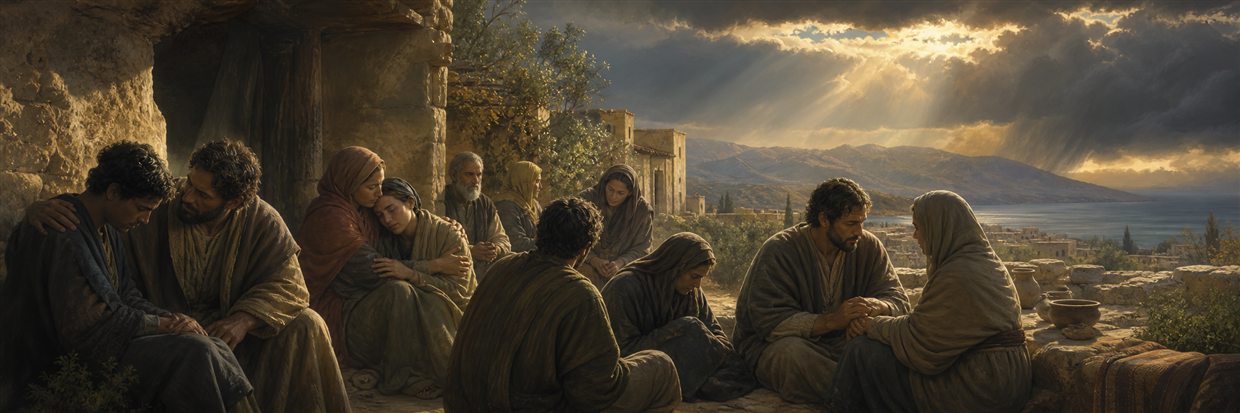
Prepared for BibleVerse · September 11, 2026. An initial editorial edition; independent specialist review is pending. Biblical references use the Berean Standard Bible. The illustration is interpretive artwork.