Religious Demographics
Explore the world’s religions by population, region and change over time.
The research library · Tradition guides
Explore histories, beliefs, worship and Scripture, whether you belong to a faith community or are curious to learn. Read accessible introductions, then follow the sources for more detail.
Explore historical connections on the timeline ›
Explore by tradition
This collection focuses on Christianity, Judaism and related historical movements; it is not a survey of every faith. Catholicism is part of Christianity. Judaism is a living religious tradition in its own right, and Jewish movements are not Christian denominations.
Historical connections do not imply a ranking or that one community replaced another. Profiles distinguish a community's own teachings from scholarly interpretation and disagreement. Beliefs and practices also vary within traditions.
54 pages across 10 families
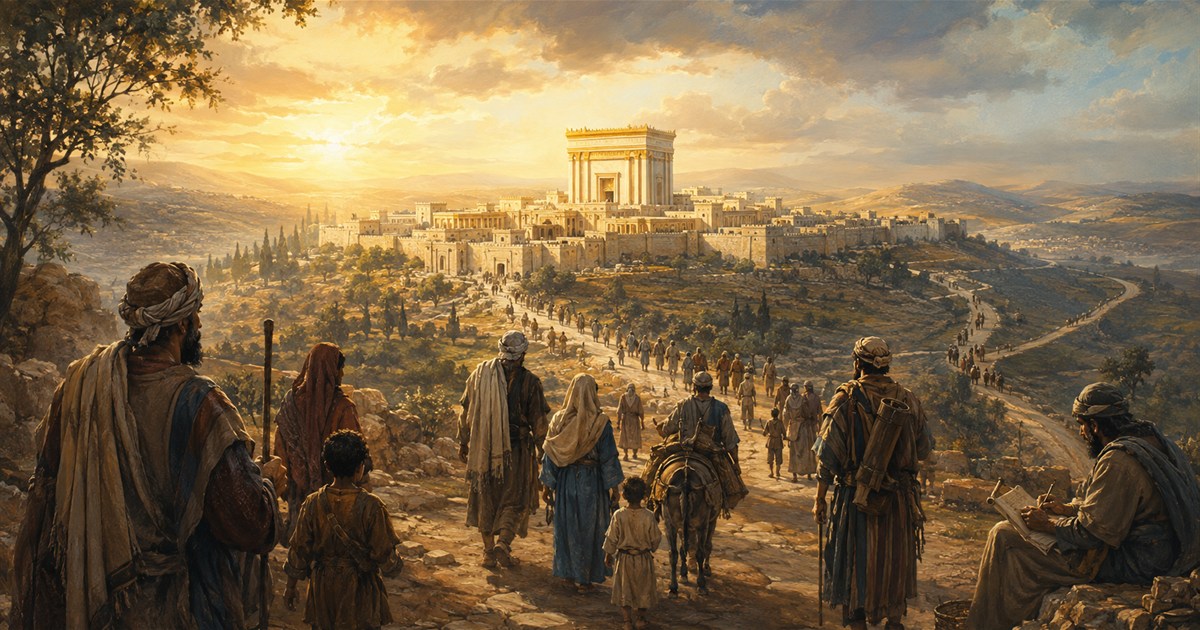 Israel and Judah: the First Temple c. 960-586 BCLong ago the people of Israel had one Temple in Jerusalem, built by King Solomon, until Babylon destroyed it in 586 BC.
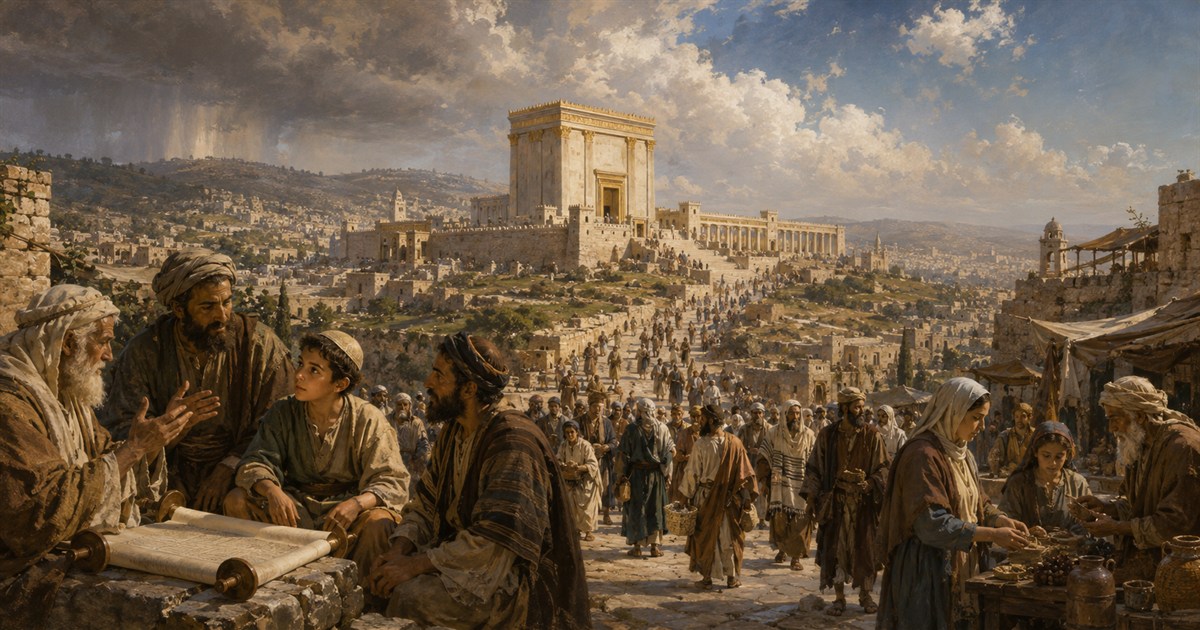 Second Temple Judaism 516 BC to 70 CEAfter the exile the Jewish people built a second Temple, and this is the world that Jesus and the first rabbis grew up in.
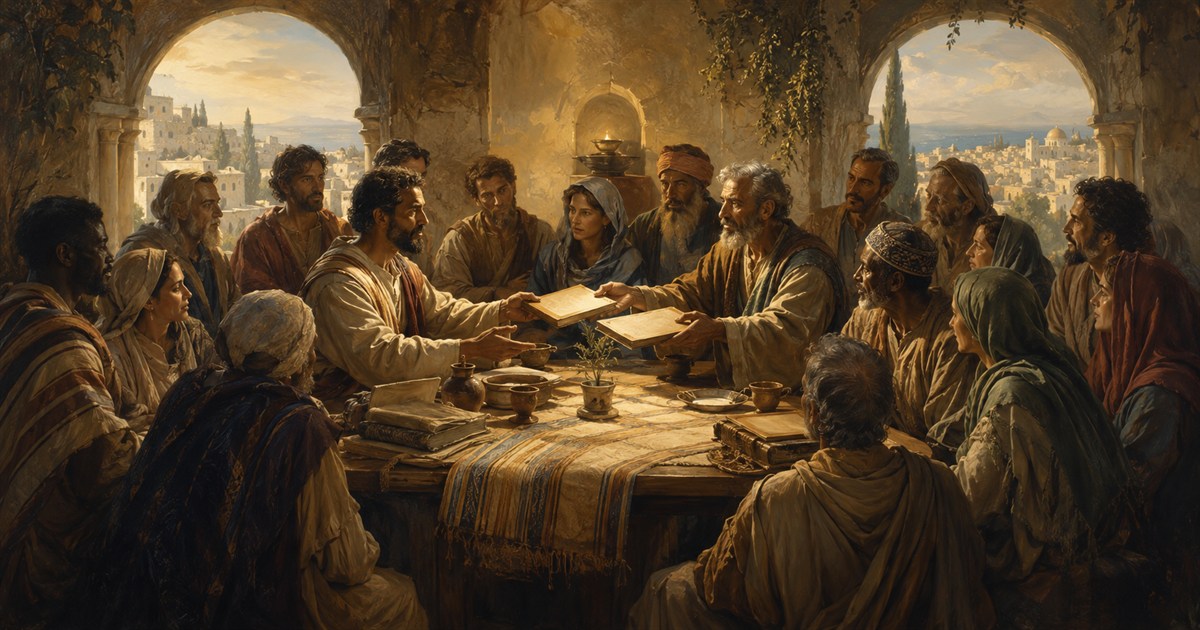 The early, undivided Church c. 30 to 1054Early Christians shared roots in the followers of Jesus; divisions developed over centuries, including the East-West separation traditionally dated to 1054.
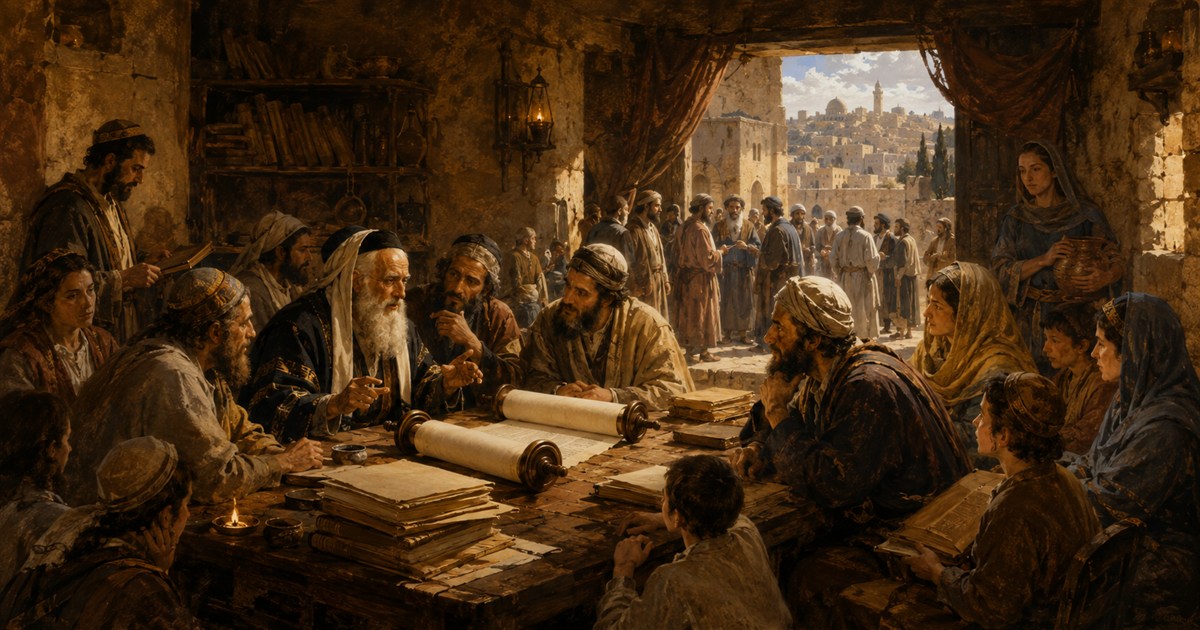 Rabbinic Judaism 70When the Temple was gone, teachers called rabbis led Jewish life through the synagogue and the study of Torah, as they still do.
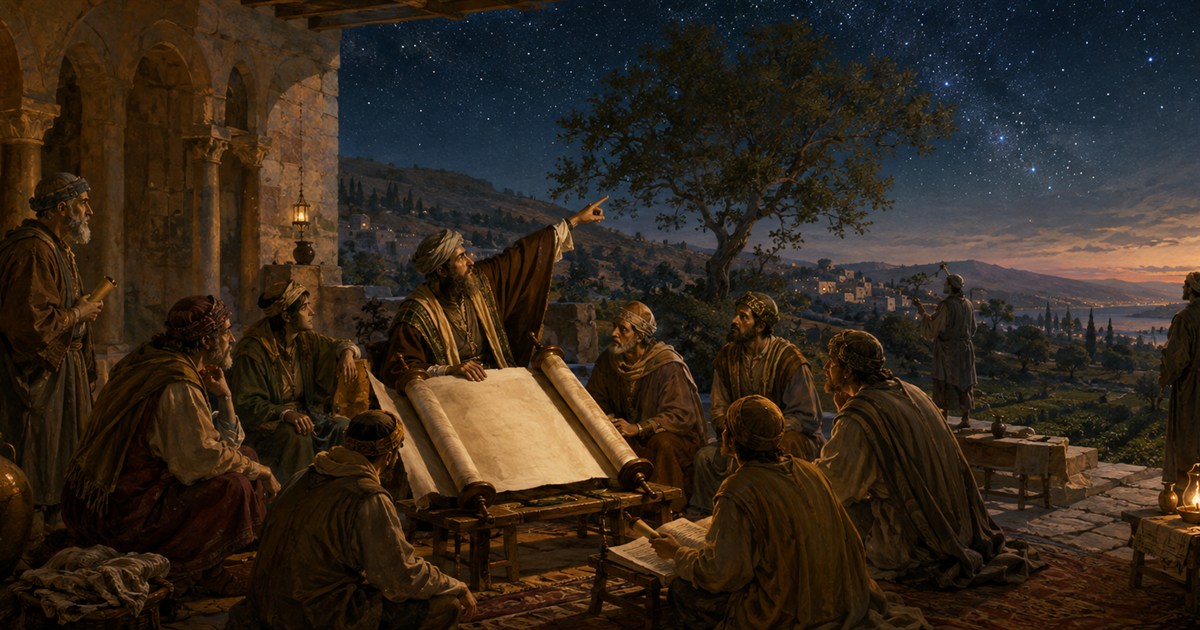 Karaite Judaism 8th centuryKaraite Jews follow the written Bible alone and do not accept the rabbis' oral law.
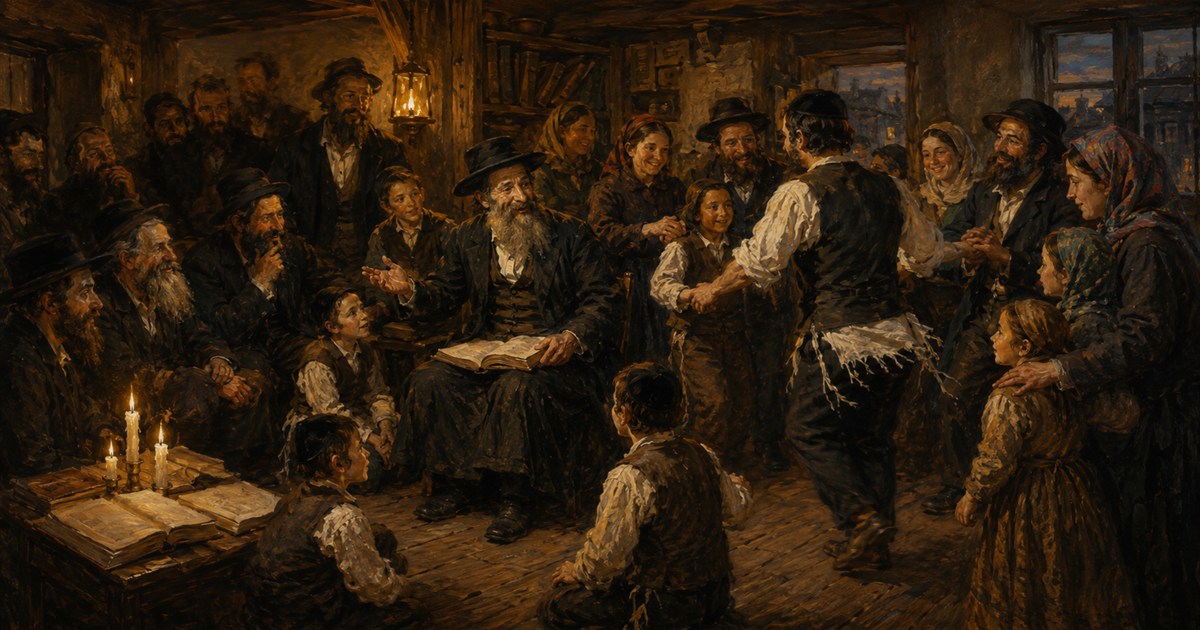 Hasidic Judaism 1740sHasidic Judaism began with a beloved teacher, the Baal Shem Tov, who taught that God is found in joy and prayer.
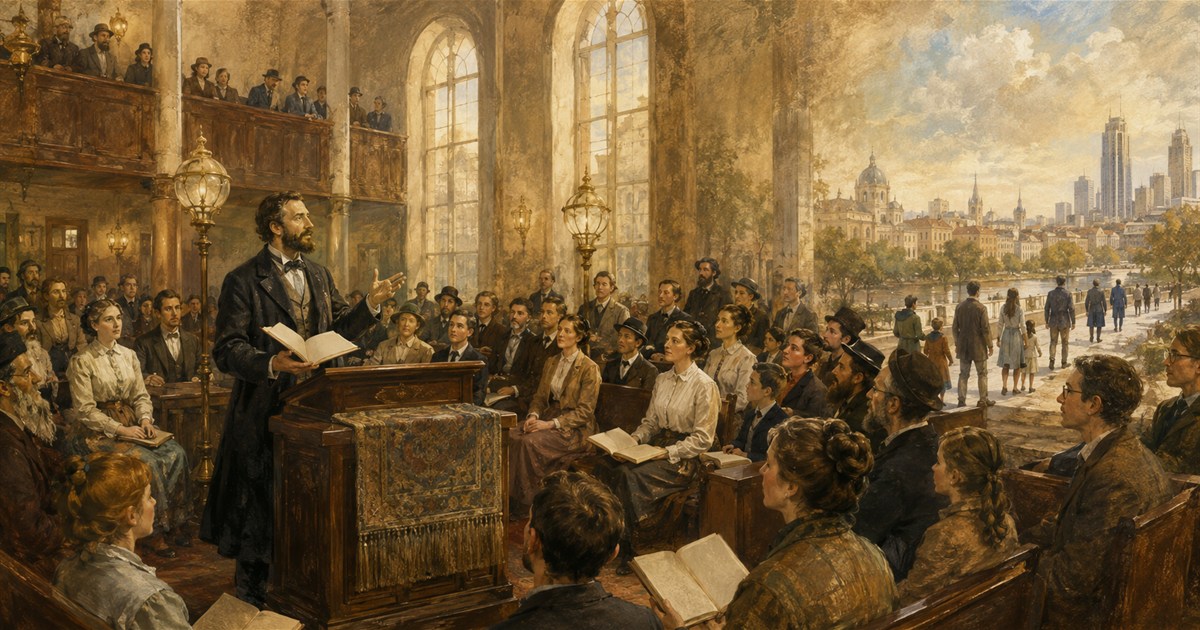 Reform Judaism 1810sReform Judaism began in Germany, praying in everyday language and adapting old customs to modern life.
 Orthodox Judaism 19th centuryOrthodox Judaism keeps the traditional laws and customs as they were handed down, in communities from Hasidic to Modern Orthodox.
 Conservative Judaism 1886Conservative Judaism keeps Jewish law while studying how it grew and changed over time.
 Reconstructionist Judaism 1922Reconstructionist Judaism sees Judaism as a whole living culture that keeps growing, not only a set of laws.
 Church of the East 431The Church of the East grew up in Persia, outside the Roman Empire, and sent missionaries as far as China.
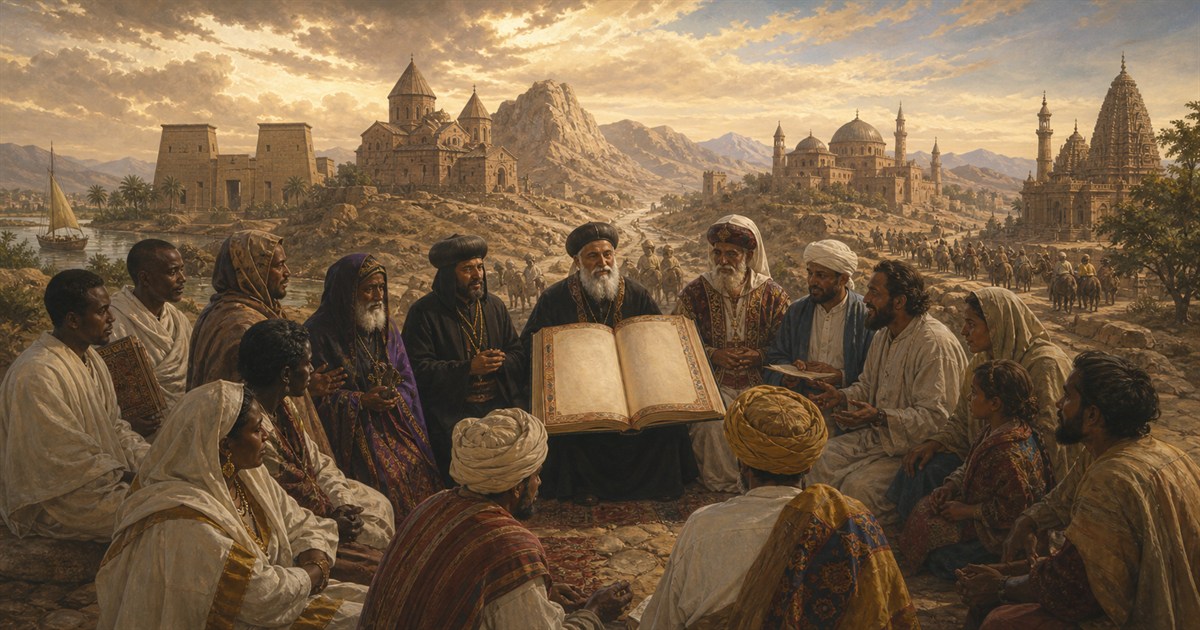 Oriental Orthodox 451The Oriental Orthodox churches of Egypt, Ethiopia, Armenia and Syria went their own way after a great council in 451.
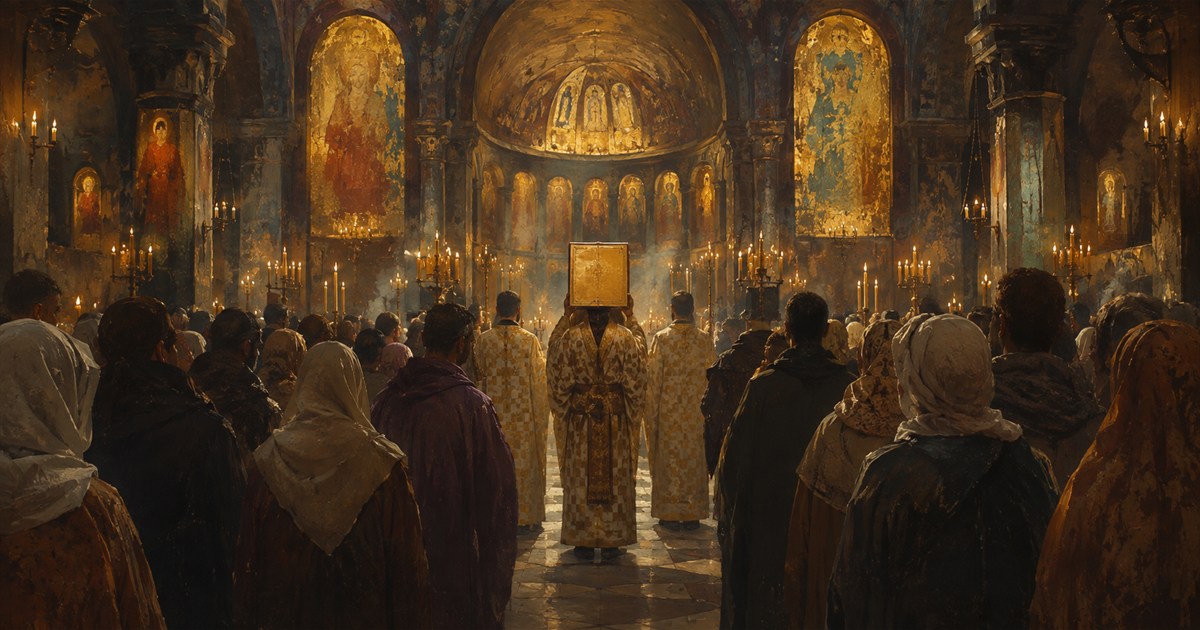 Eastern Orthodox 1054Eastern Orthodox churches share an ancient Christian heritage; 1054 is a conventional marker of their gradual separation from Rome.
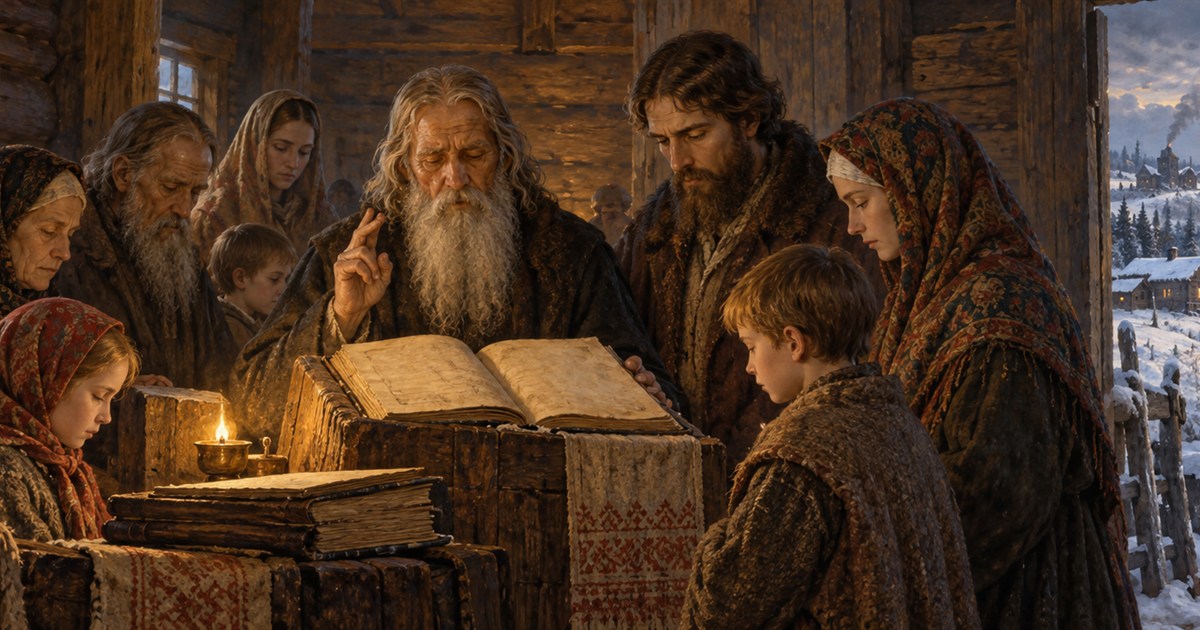 Old Believers 1666Old Believers are Russian Christians who refused changes to their prayers and rituals in the 1660s and have kept the old ways since.
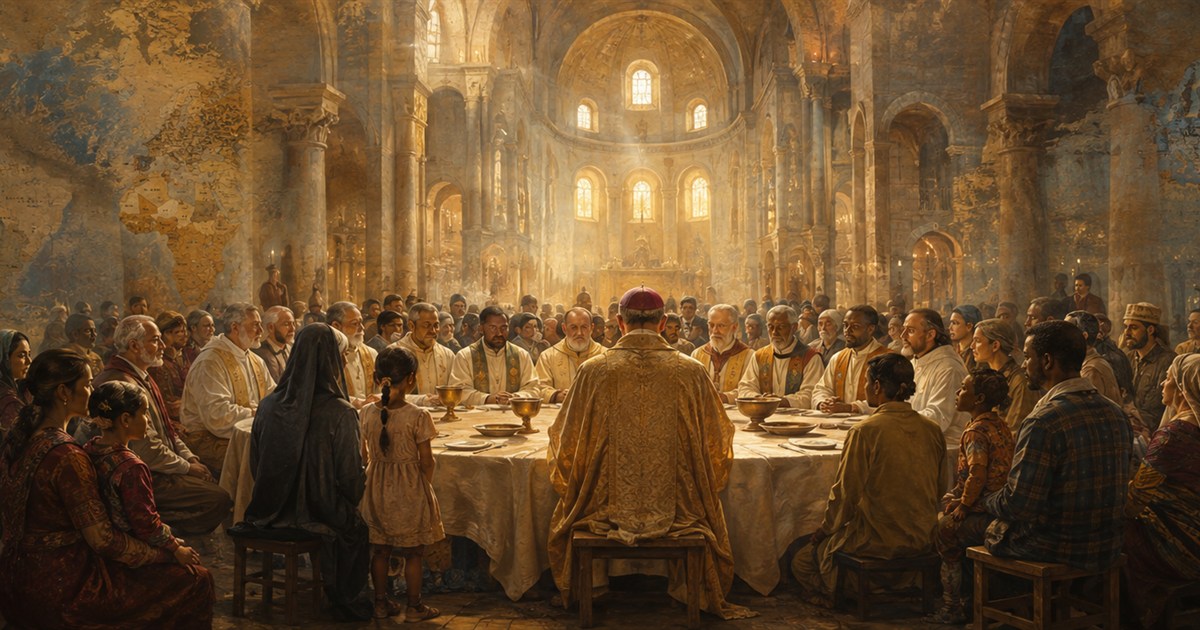 Catholic Church 1054The Catholic Church, led by the Pope, is the largest Christian body and traces itself back to the apostle Peter.
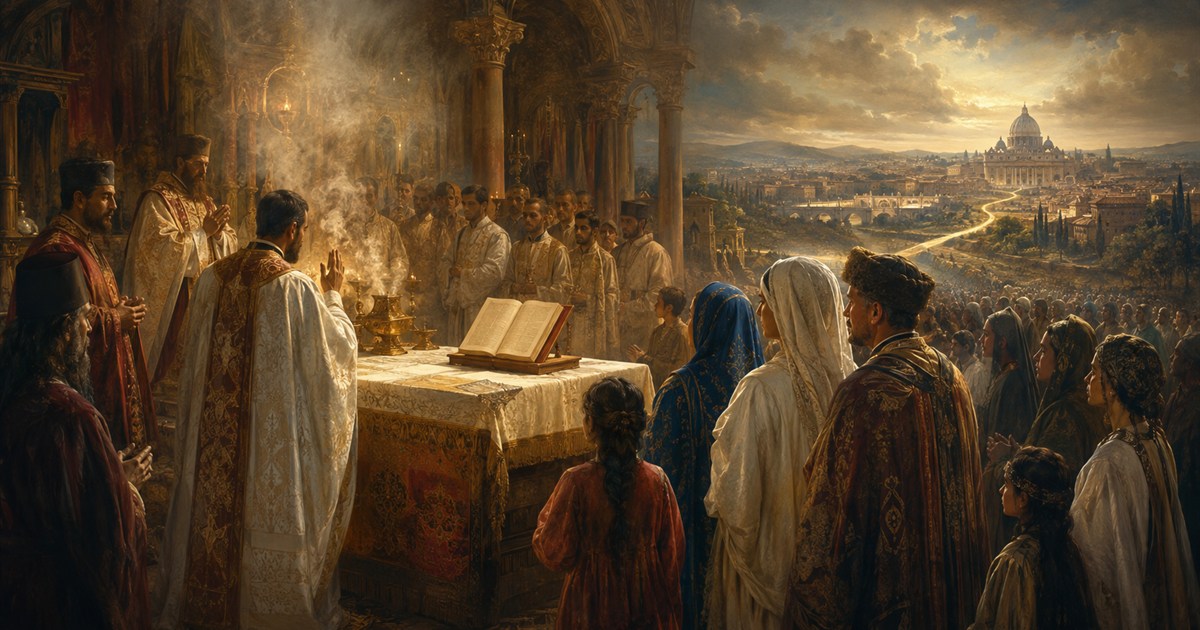 Eastern Catholic churches 1596 and afterEastern Catholic churches worship in Eastern ways but are joined with the Pope in Rome.
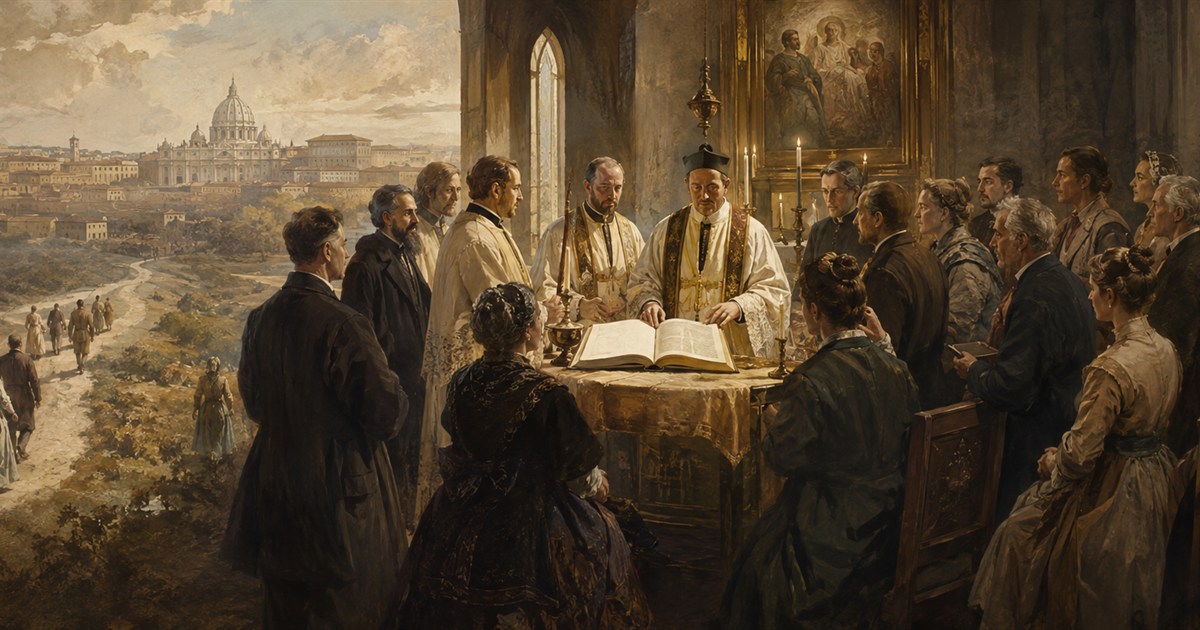 Old Catholic Church 1870 / 1889Old Catholics left Rome in 1870 because they could not accept that the Pope is infallible.
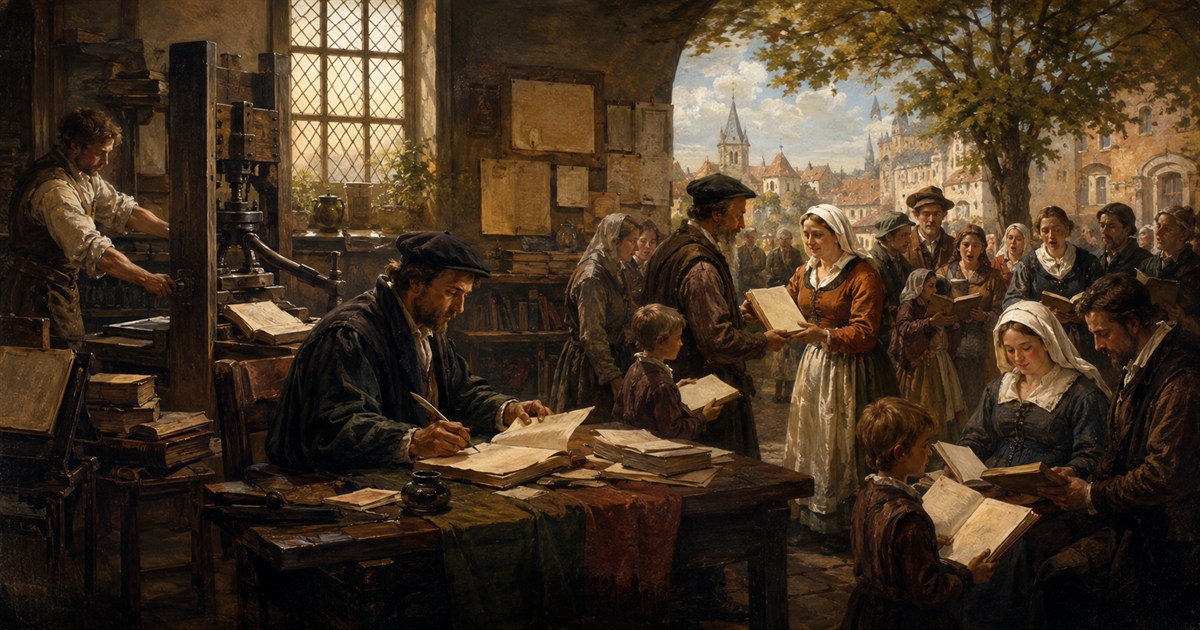 Lutheran 1517Lutherans follow Martin Luther, whose protest in 1517 started the Reformation.
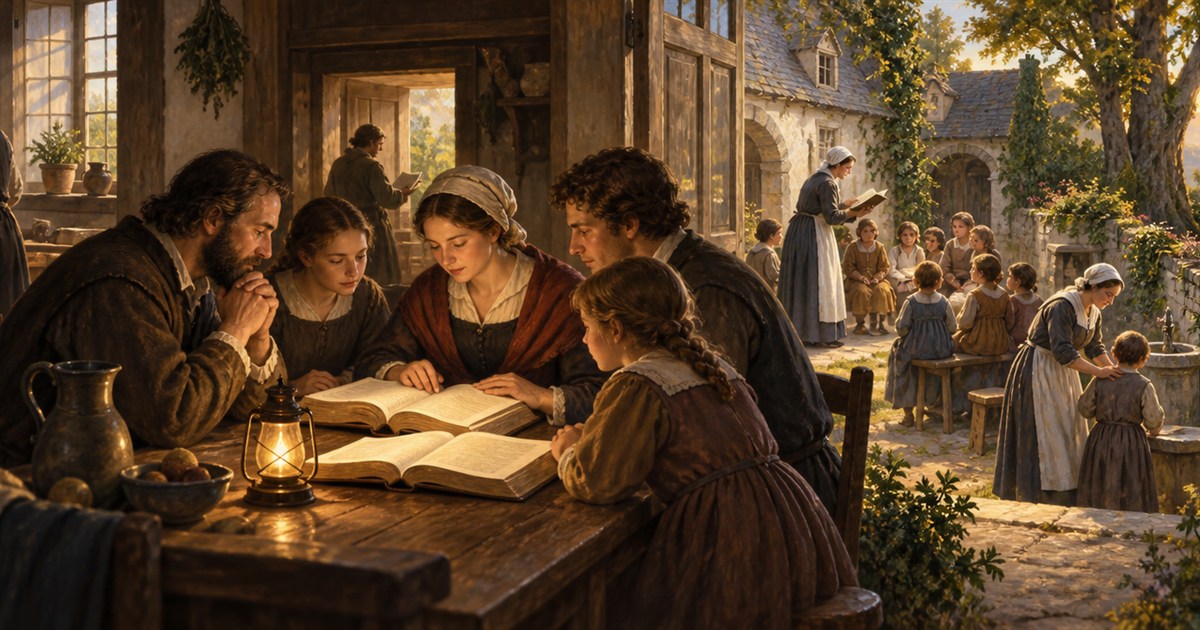 Pietism 1675Pietism was a movement of Lutherans who wanted a warm, heartfelt faith and Bible study in small groups.
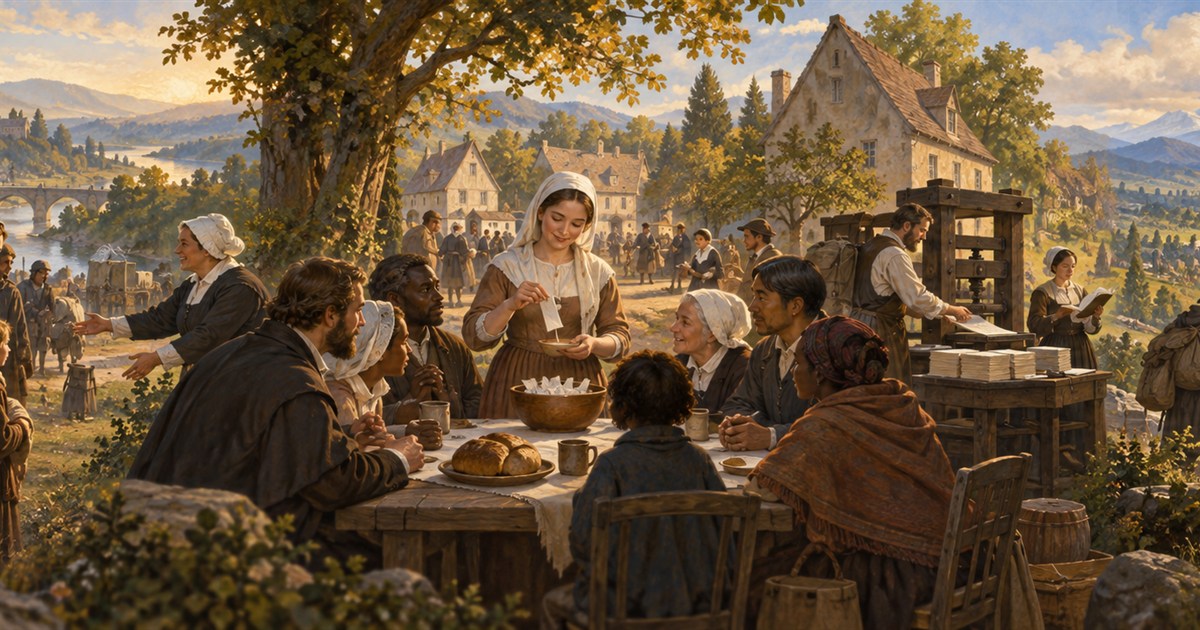 Moravian Church 1457 / 1727The Moravians are an old Czech church renewed in 1727, whose missionaries began work in the Caribbean in 1732.
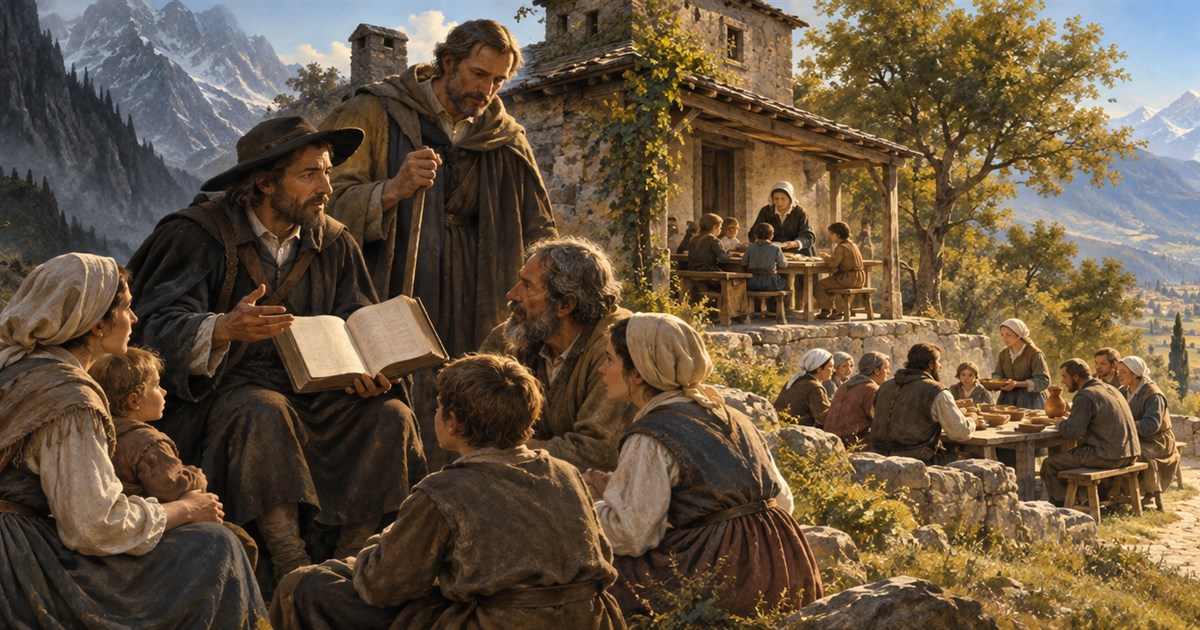 Waldensians 1173 / 1532The Waldensians began with a merchant who gave away his wealth to preach, three hundred years before Luther.
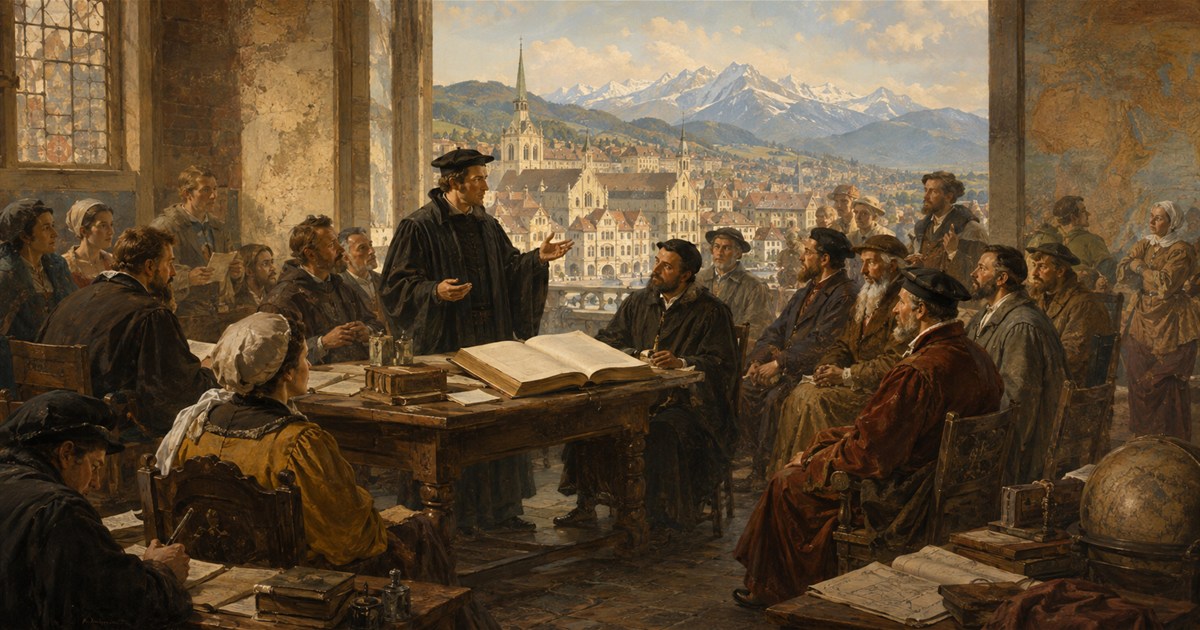 Reformed (Zwingli, Calvin) 1519-1536The Reformed churches follow Zwingli and Calvin, who reformed the churches of Switzerland in the 1500s.
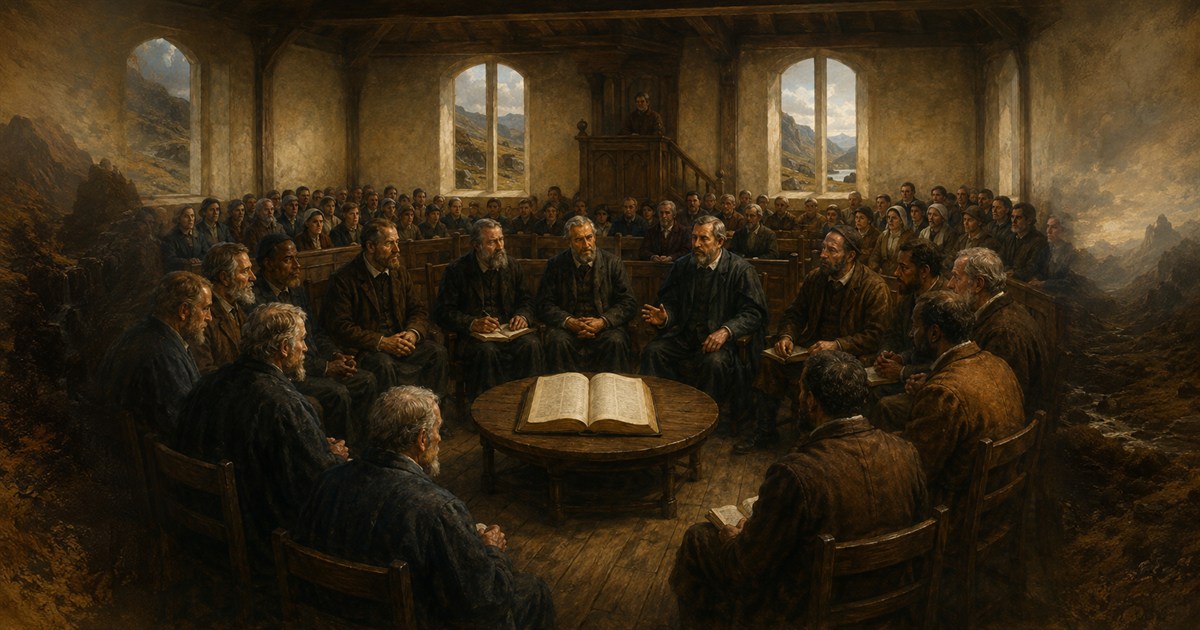 Presbyterian 1560Presbyterians are Reformed Christians led by elders rather than bishops, beginning in Scotland with John Knox.
 Congregational (Puritan) 1580sCongregationalists believe each local church should govern itself; the Pilgrims of 1620 were Congregationalists.
 Quakers (Friends) 1652Quakers, or Friends, include both silent meetings and churches with pastors, singing and sermons, and have a longstanding peace testimony.
 Unitarian Universalist 1825 / 1961Unitarian Universalists began among Christians who did not accept the Trinity, and today welcome many beliefs.
 Anabaptist 1525Anabaptists were reformers who baptised adults and refused to fight, and were persecuted for both.
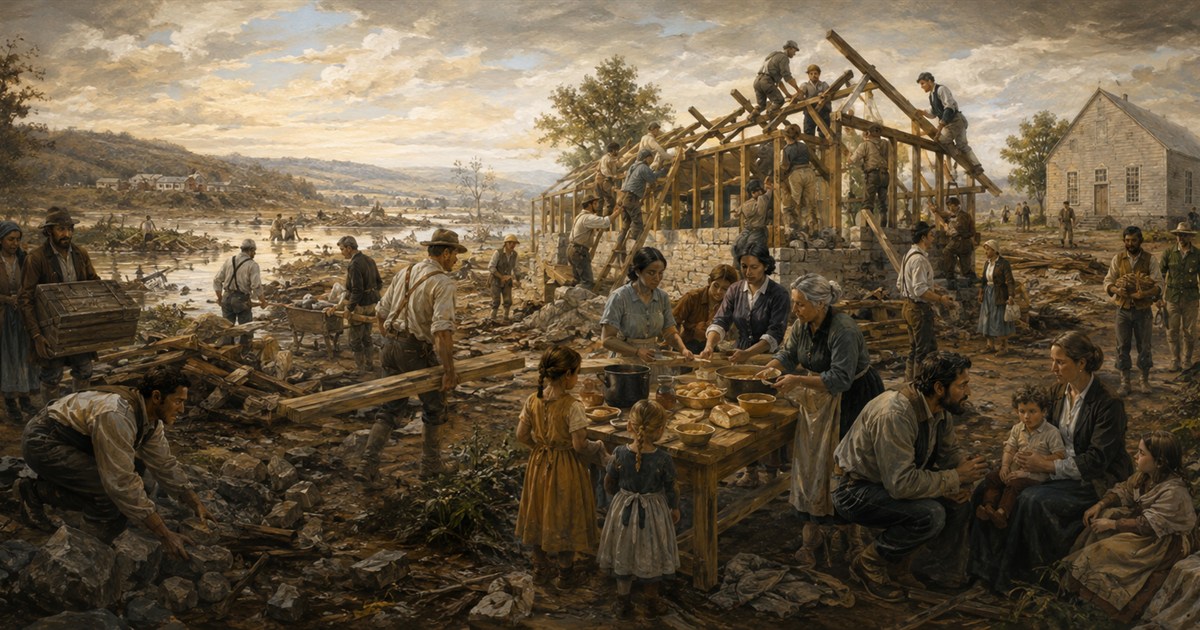 Mennonite 1536Mennonites are Anabaptists named after Menno Simons, known for peace, simple living and service.
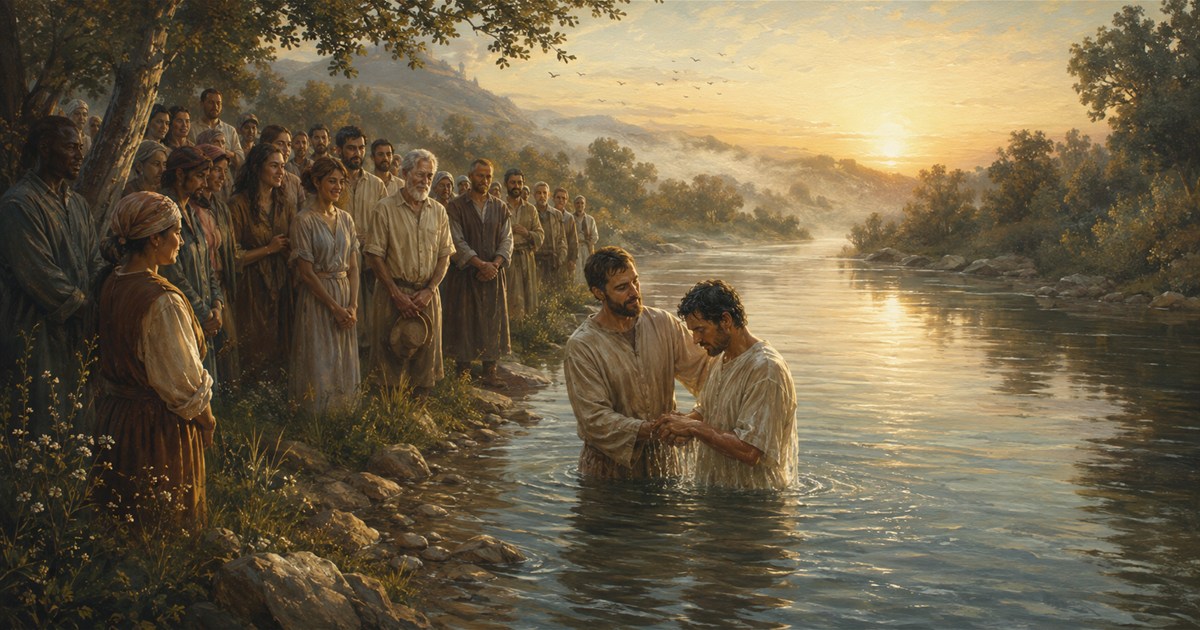 Baptist 1609Baptists baptise people only when they are old enough to choose faith for themselves.
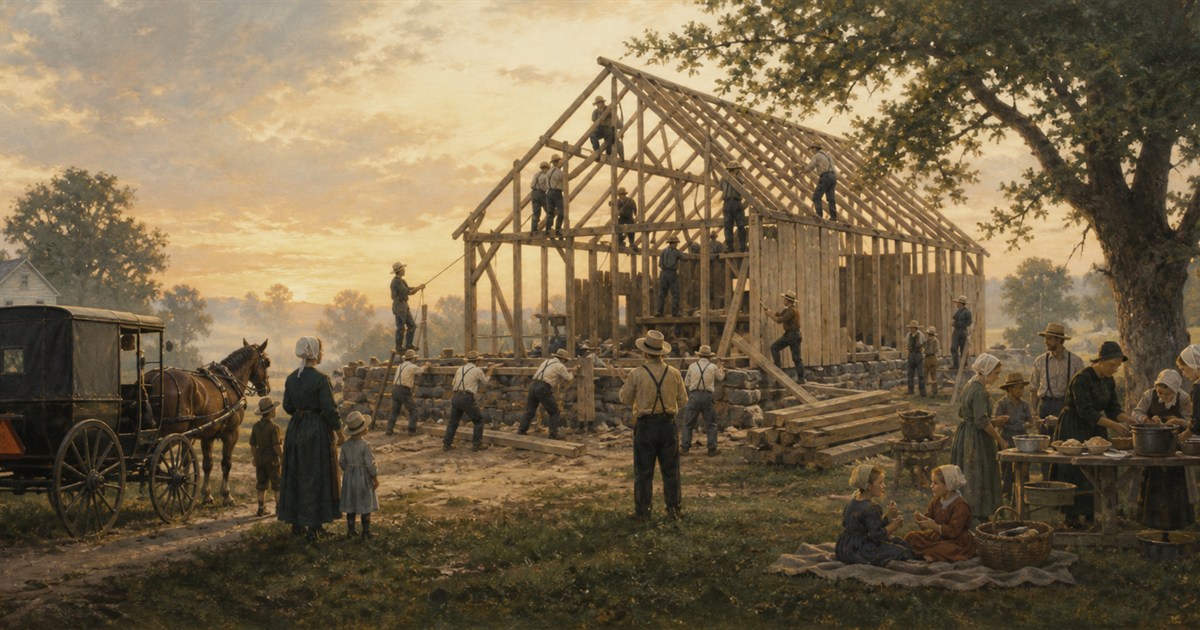 Amish 1693The Amish are an Anabaptist tradition known for plain living; Old Order communities use horse-drawn buggies and worship largely in German.
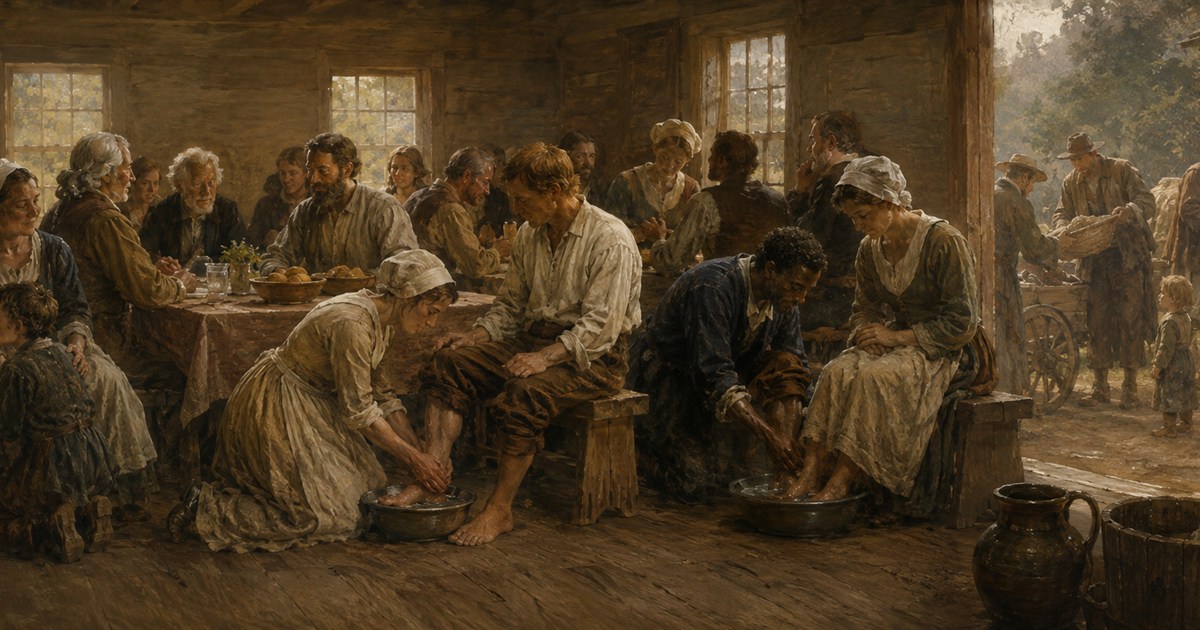 Church of the Brethren 1708The Church of the Brethren joined Anabaptist beliefs to Pietist warmth, and still practises feet-washing and peace.
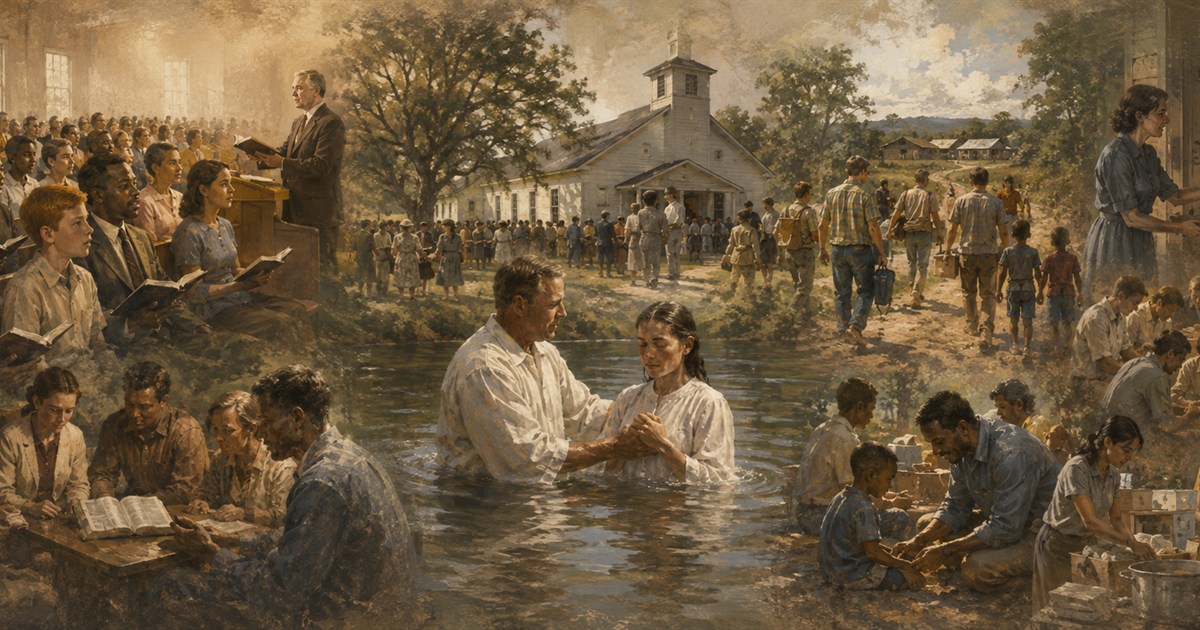 Southern Baptist Convention 1845The Southern Baptist Convention is the largest Protestant body in the United States.
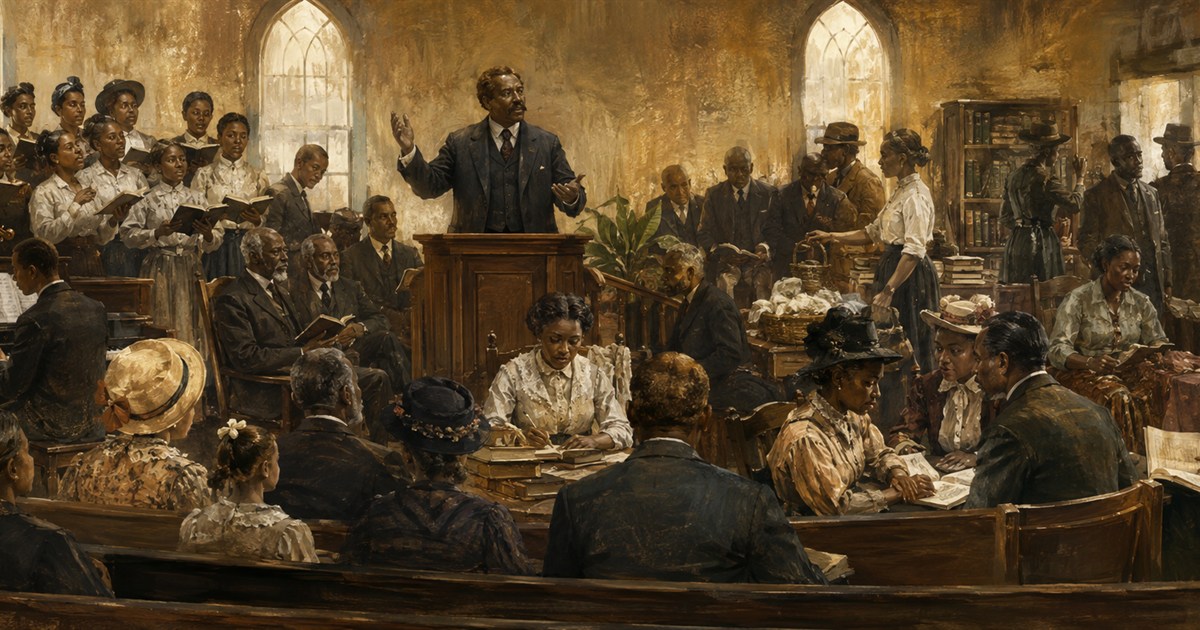 National Baptist Convention 1895The National Baptist Convention is the largest historically Black church in the United States.
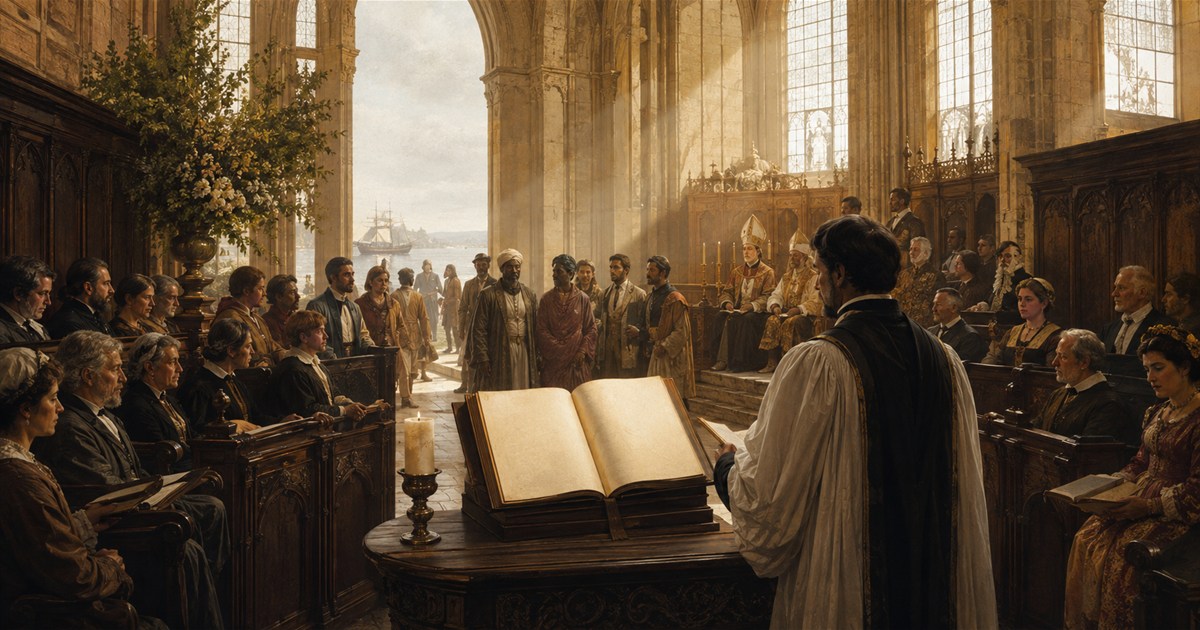 Church of England (Anglican) 1534The Church of England began when King Henry VIII broke with the Pope in 1534; Anglicans keep bishops and a prayer book.
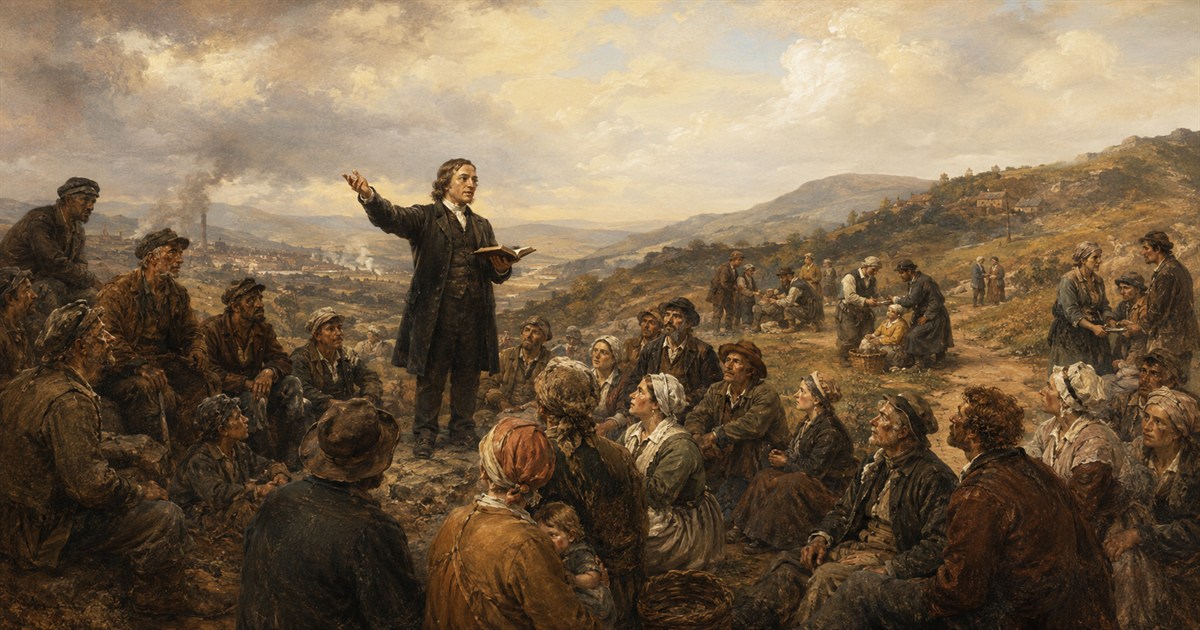 Methodist 1738 / 1784Methodists follow John Wesley, who preached outdoors to ordinary people and gathered them into small groups.
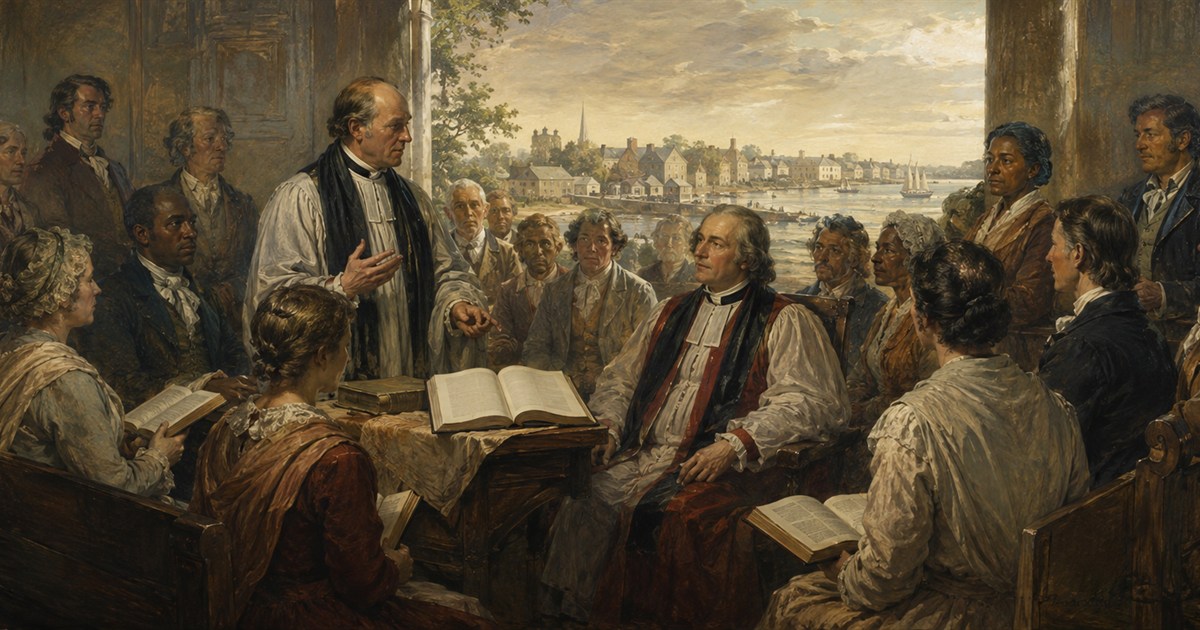 Episcopal Church 1789The Episcopal Church is the Anglican church of the United States, formed after independence in 1789.
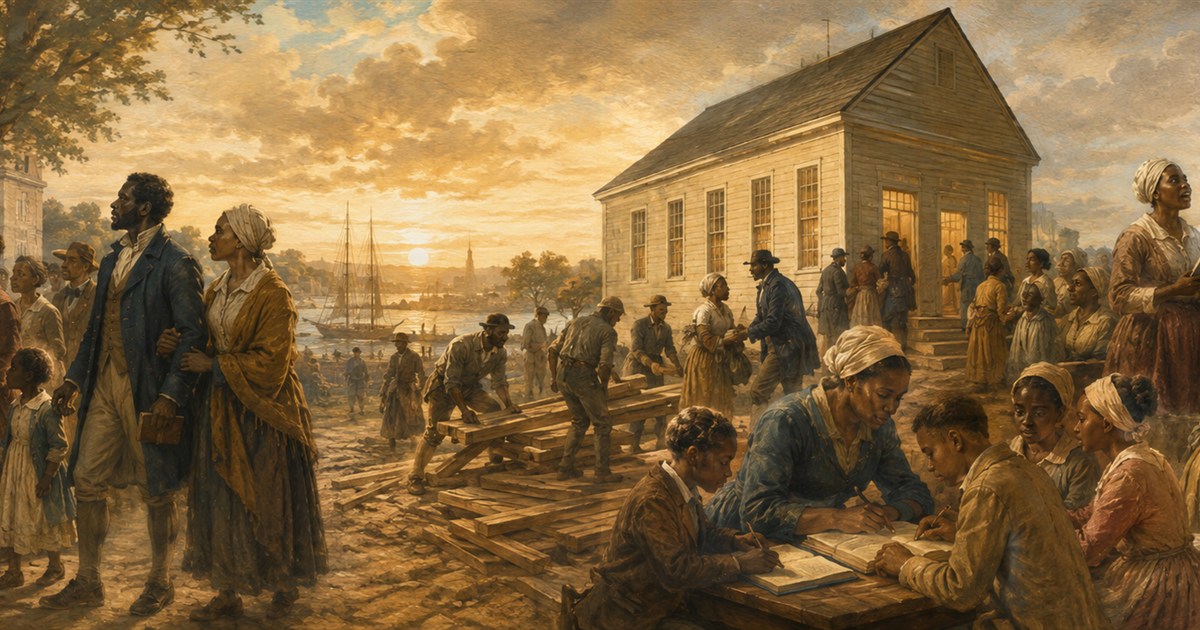 African Methodist Episcopal 1816The African Methodist Episcopal Church was founded by Black Methodists in Philadelphia who were pushed out of a segregated congregation.
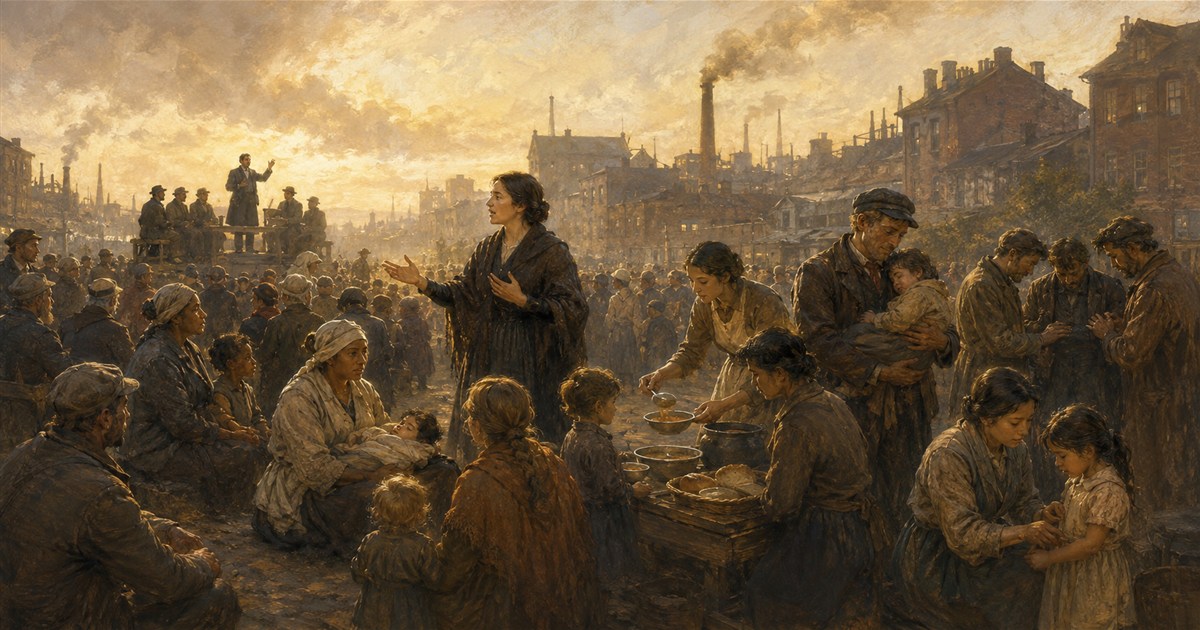 Holiness movement 1860sThe Holiness movement grew from Methodism, seeking a life wholly given to God; the Salvation Army and the Nazarenes come from it.
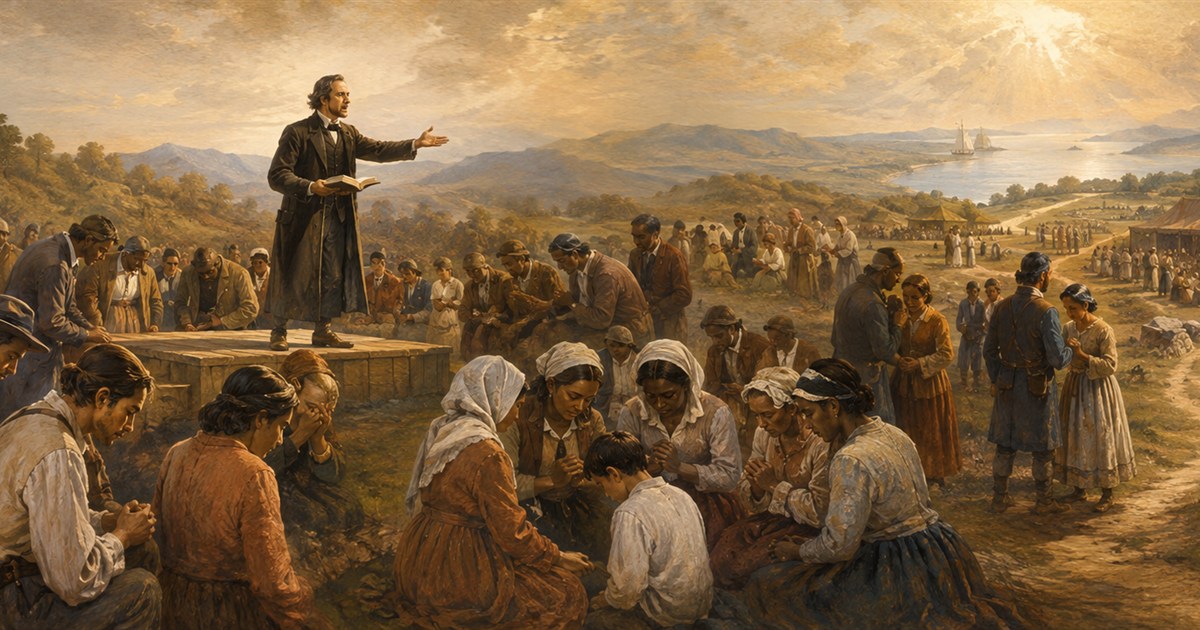 Evangelical revivals 1730sThe evangelical revivals were great waves of preaching and conversion in the 1700s and 1800s that shaped many churches.
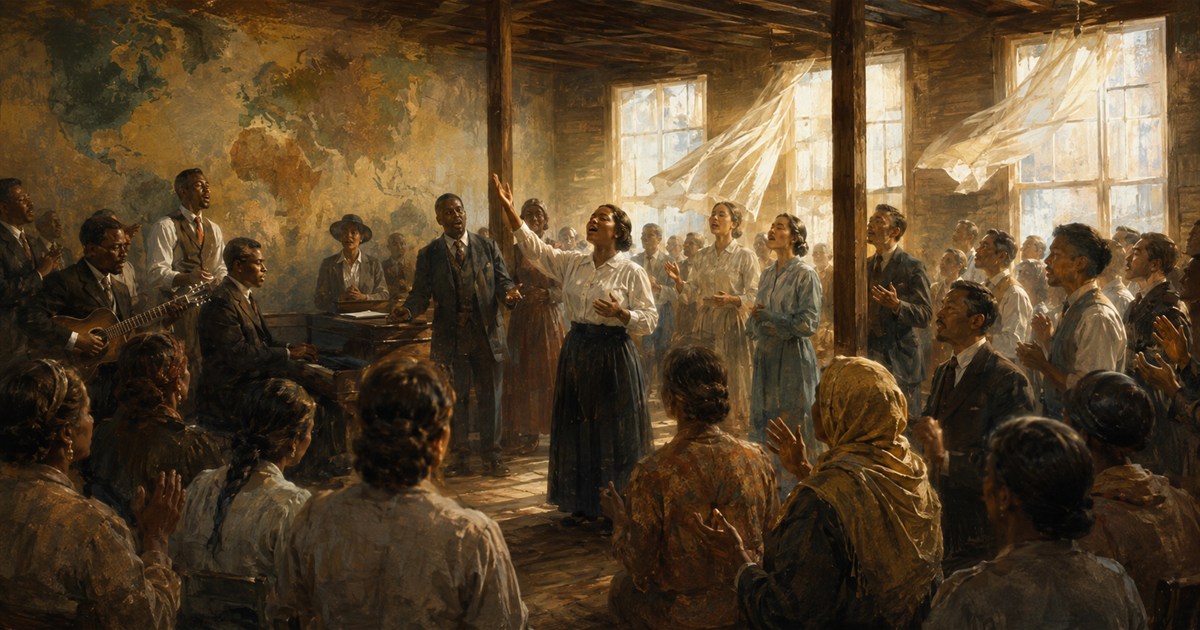 Pentecostal 1906Pentecostals believe the Holy Spirit gives gifts such as speaking in tongues today, as at the first Pentecost; the modern movement emerged in the early 1900s.
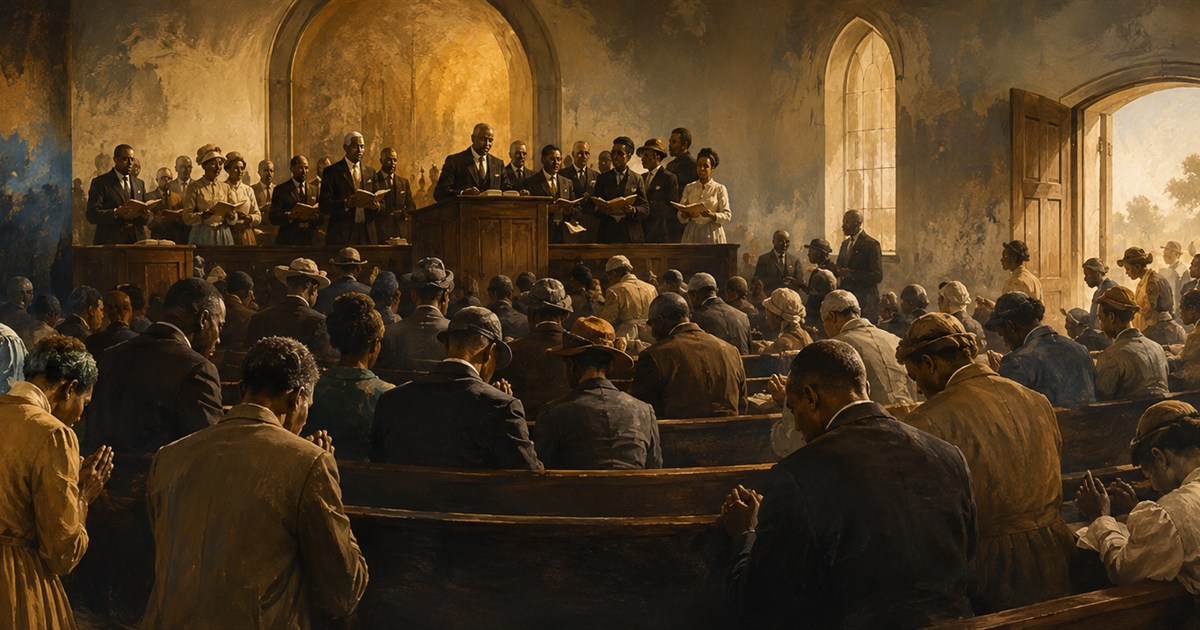 Church of God in Christ 1907The Church of God in Christ is a major historically Black Pentecostal denomination.
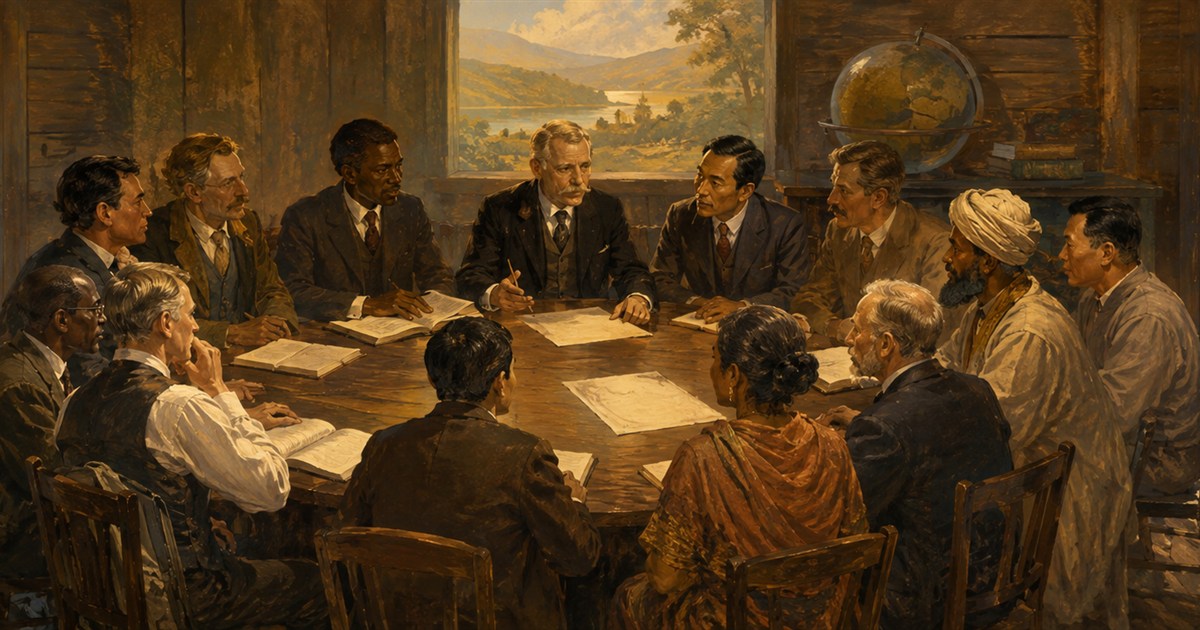 Assemblies of God 1914The Assemblies of God comprises national Pentecostal church bodies linked through a worldwide fellowship.
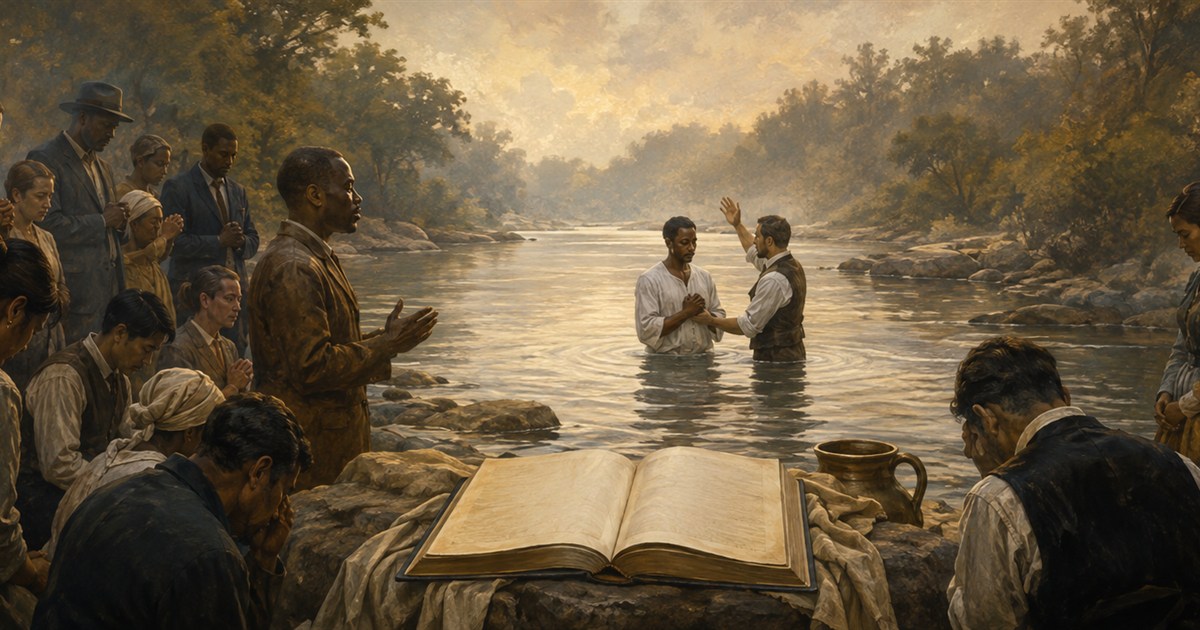 Oneness Pentecostal 1916Oneness Pentecostals baptise in the name of Jesus alone and understand God as one person rather than three.
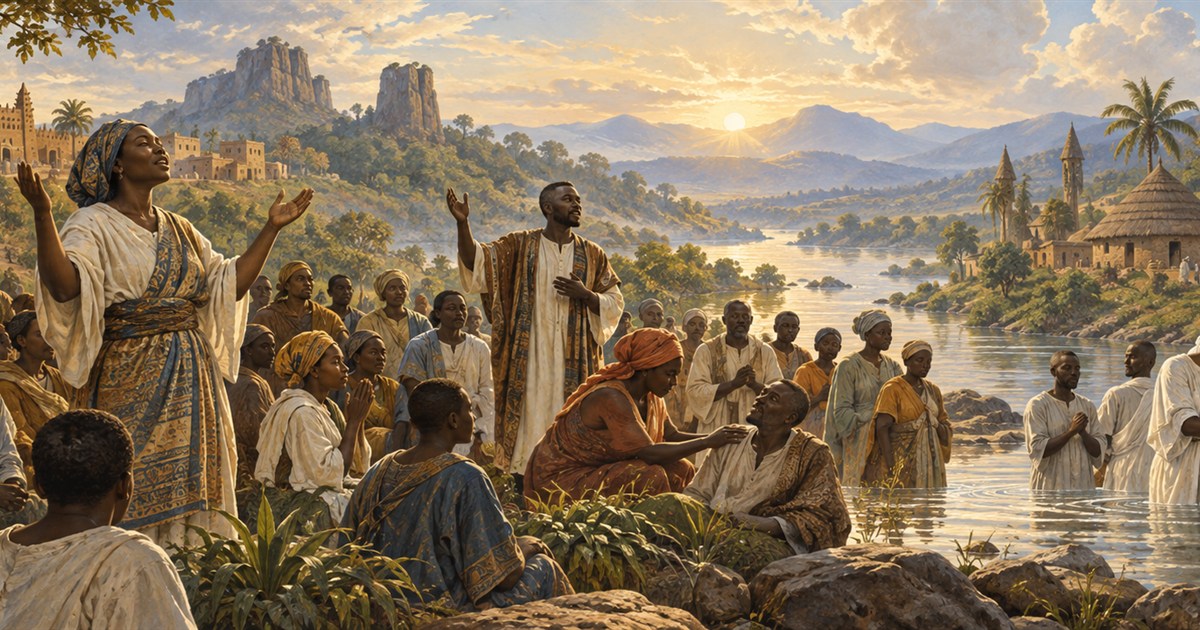 African Initiated Churches 1890s-1920sAfrican Initiated Churches were founded by Africans themselves, with prophecy, healing and African worship at their heart.
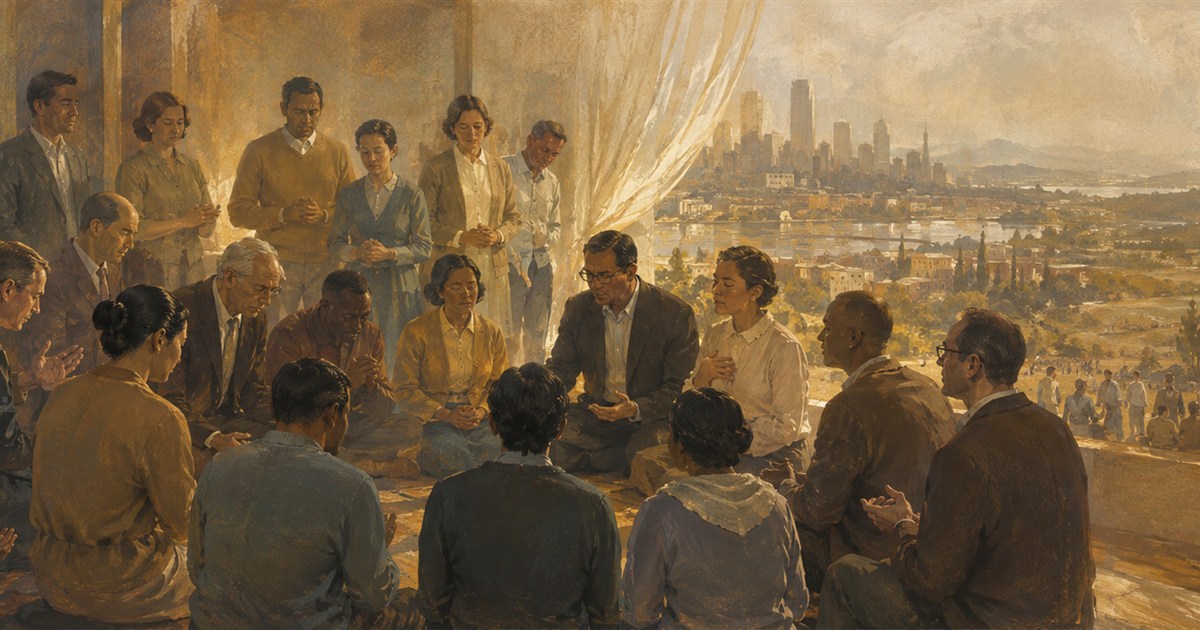 Charismatic renewal 1960The charismatic renewal brought Pentecostal-style worship into Catholic, Anglican and other older churches.
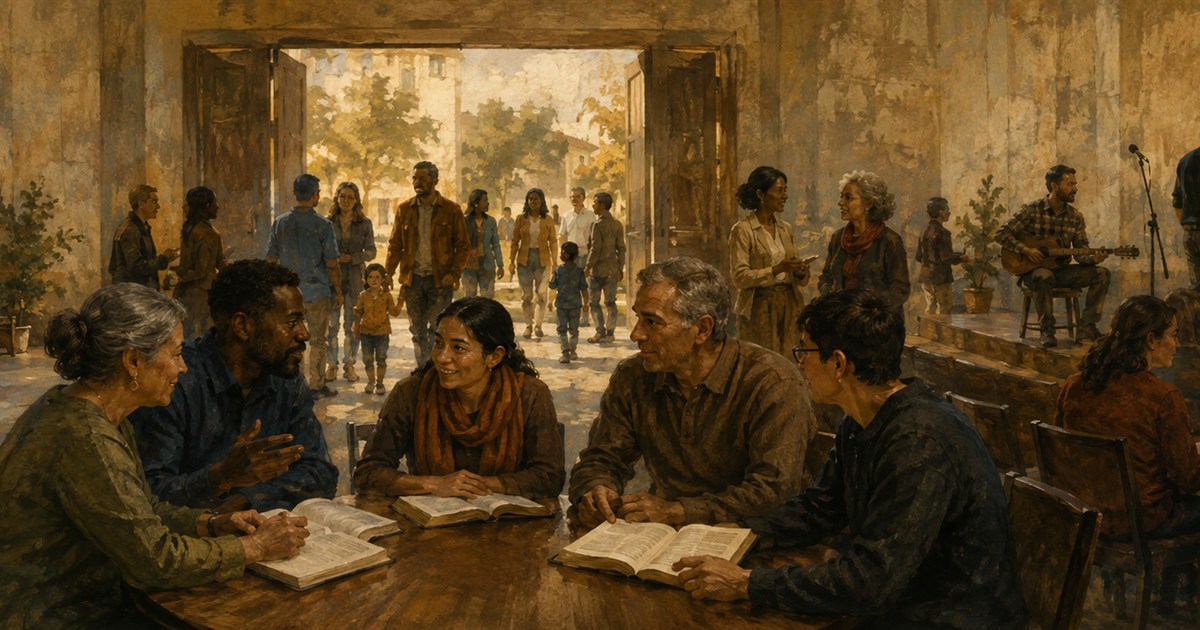 Non-denominational churches 1960s onNon-denominational churches do not formally belong to an established denomination, though some participate in networks.
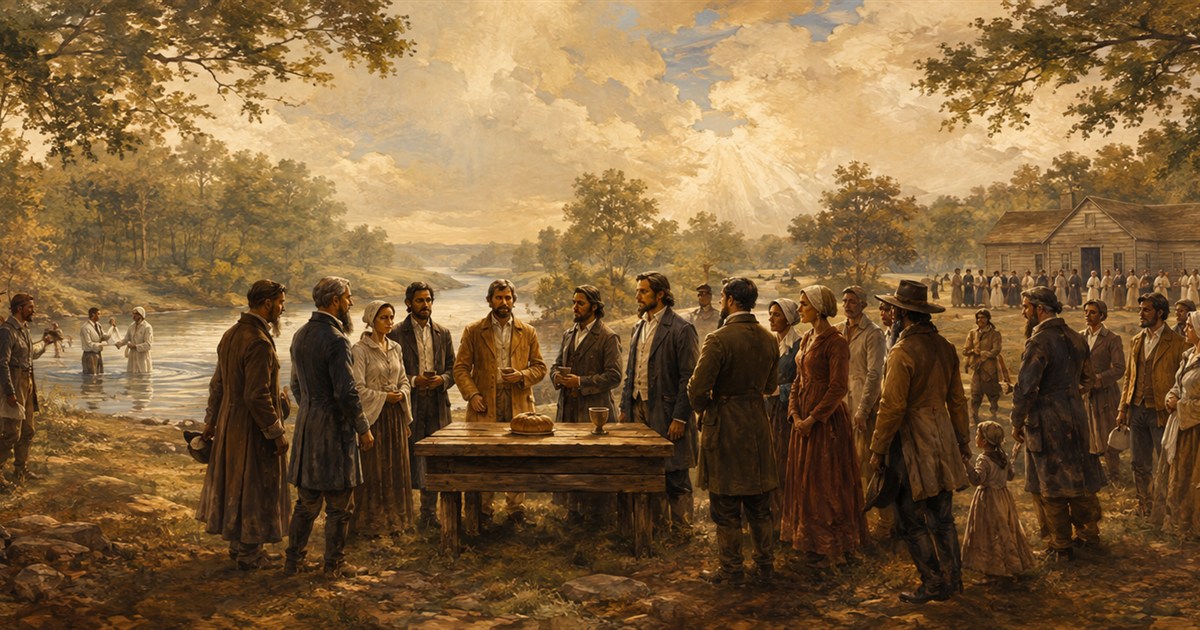 Restoration Movement (Stone-Campbell) 1801-1832The Restoration Movement wanted to be Christians only, with no creed but the Bible; the Churches of Christ come from it.
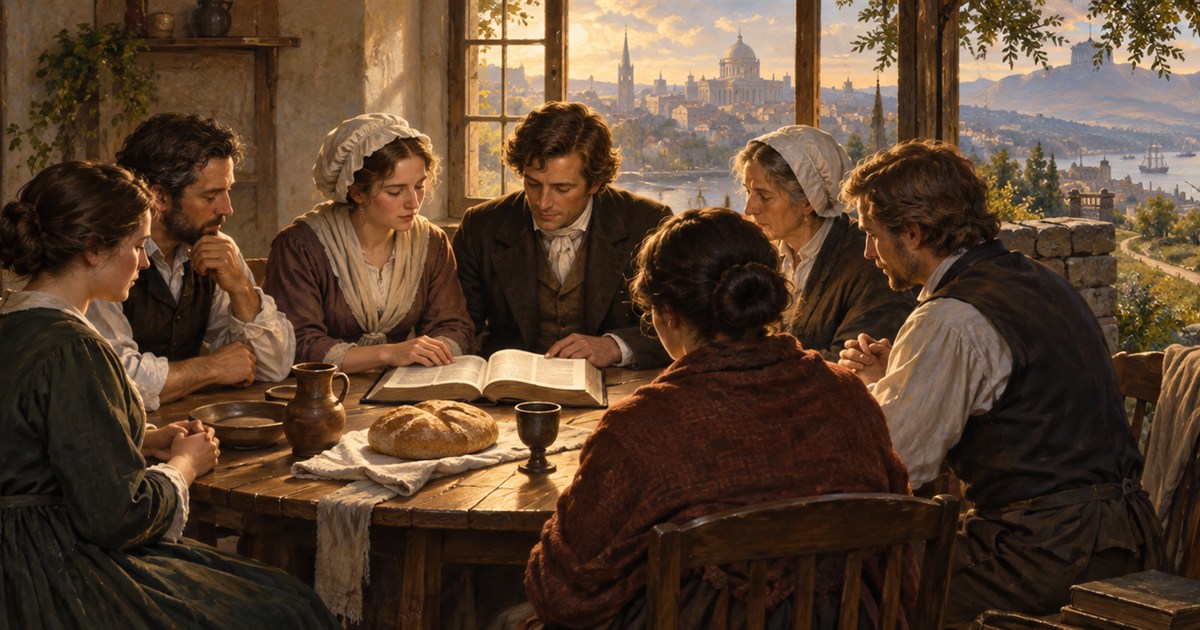 Plymouth Brethren 1827The Plymouth Brethren meet without clergy and shaped how many Christians think about the end times.
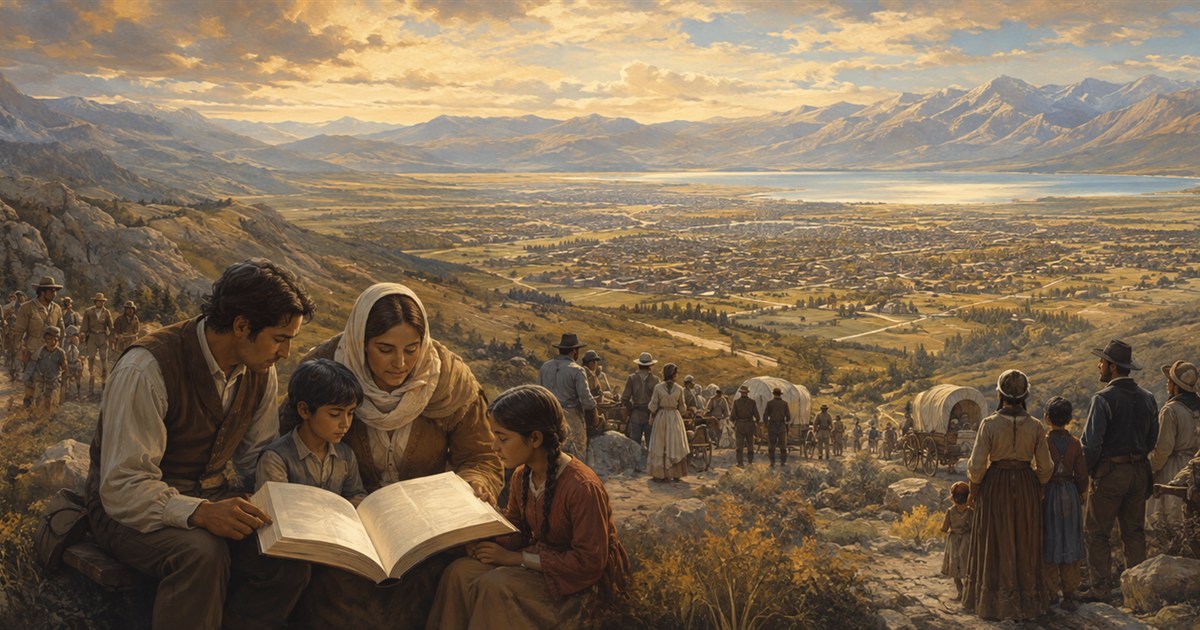 Latter-day Saints 1830Latter-day Saints, often called Mormons, follow Joseph Smith and read the Book of Mormon alongside the Bible.
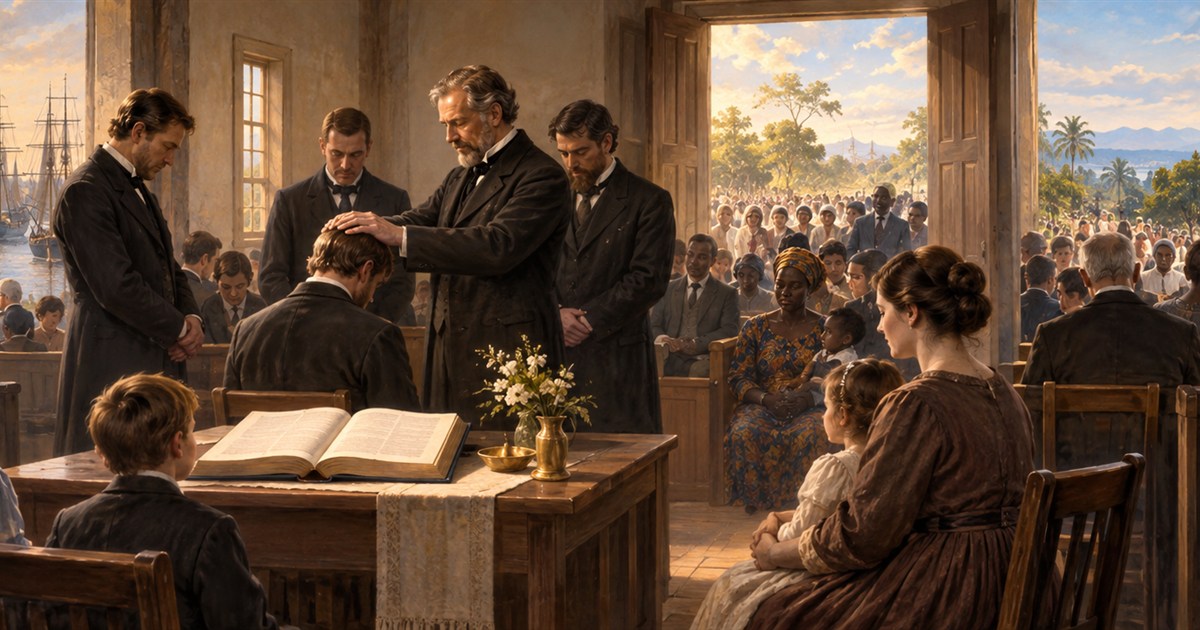 New Apostolic Church 1832 / 1863The New Apostolic Church is led by apostles and a Chief Apostle, and most of its members live in Africa.
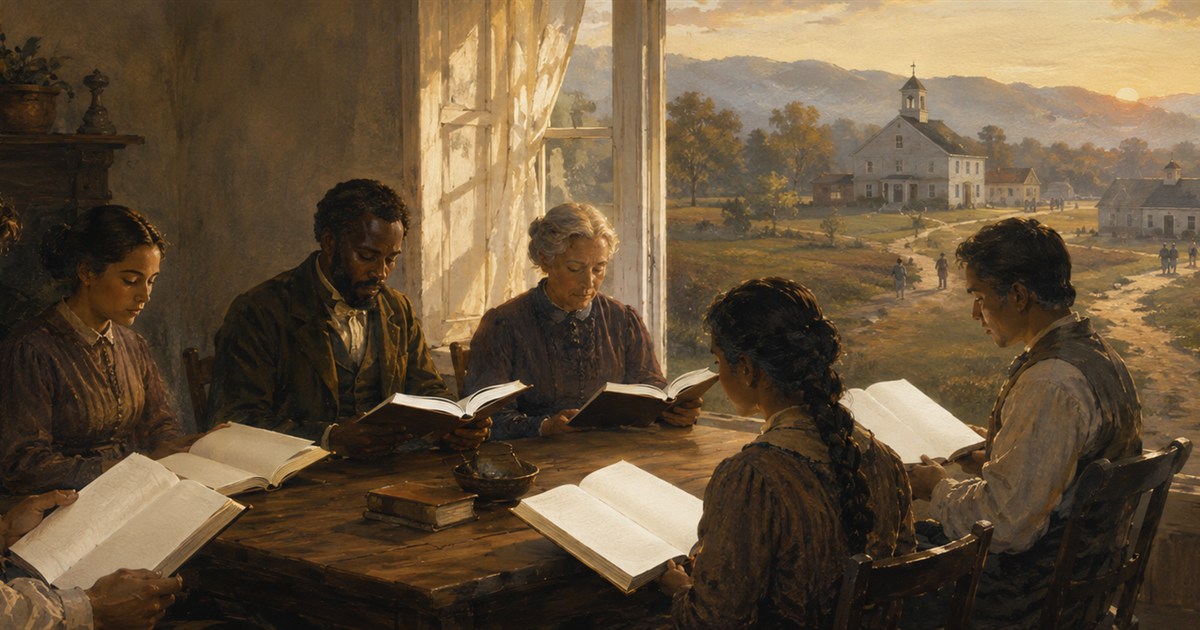 Seventh-day Adventist 1863Seventh-day Adventists keep Saturday as the Sabbath and look forward to the return of Jesus.
 Jehovah's Witnesses 1872Jehovah's Witnesses use God's name Jehovah, go door to door, and read their own translation of the Bible.
 Christian Science 1879Christian Scientists, founded by Mary Baker Eddy, believe prayer heals and read the Bible together with her book Science and Health.
 Messianic Judaism 1970sMessianic communities combine belief in Jesus (Yeshua) with forms of Jewish religious life.
No matching pages. Try a different search or choose all families.
The same editorial standards guide every profile: explain beliefs in terms a community would recognize, check historical claims, attribute interpretations, and identify who counted population figures. Respect does not require agreement or omission of documented harm. Source checking and independent review remain ongoing; each page shows its review status and names the Bible edition it quotes.
The full note on how these pages were made, and what is still unchecked ›
Belong to one of these traditions? Read its page for us. Looking for a congregation? Find a place of worship, by tradition and by distance from you.
Explore the world’s religions by population, region and change over time.
Follow the branching histories of Christian and Jewish traditions.
Discover why Bible translations and book lists differ.