Bible Research Hub · Holidays

Holidays in the Bible

Explore the meaning, history and traditions of selected Jewish, Christian and Islamic holidays, with calendar dates and links to the texts behind them.

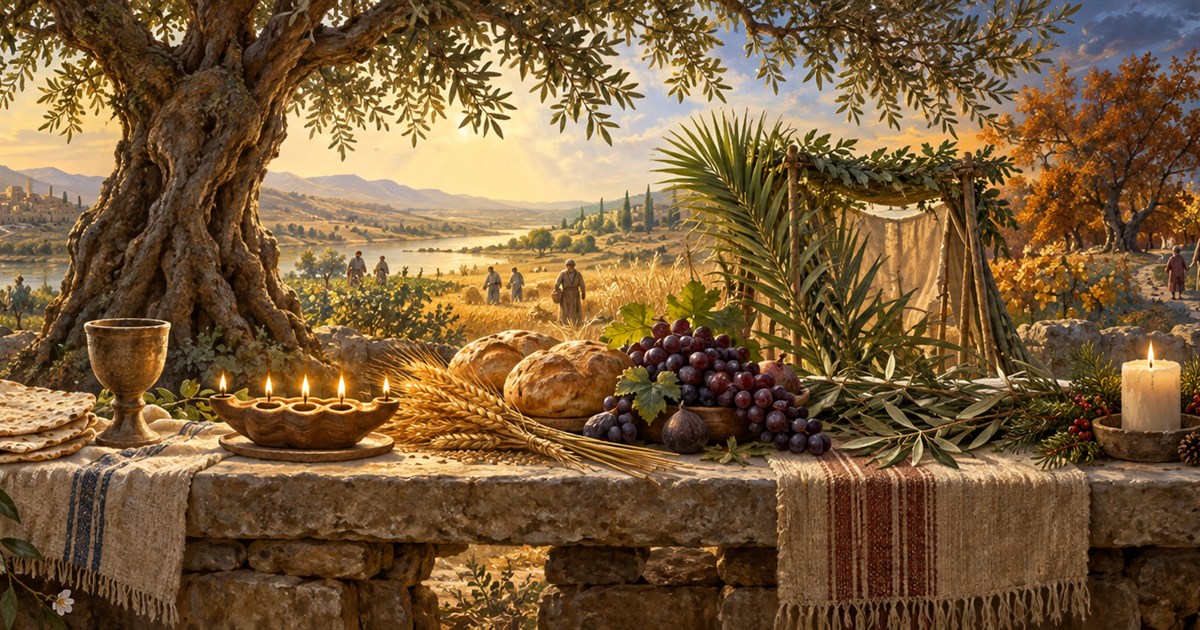
A painterly turning-year landscape with an olive tree and a table of foods and lights associated with biblical holidays
Start here

Three things to know first

Some holidays are prescribed in Scripture. Others commemorate a biblical event or developed through later religious tradition. The labels on each card explain that connection; they do not indicate how important a holiday is to the people who observe it.

Jewish holidays and the Torah

Leviticus 23 describes Shabbat and several major festivals, including Passover, Shavuot and Sukkot. Other observances draw on later biblical books, Jewish history and rabbinic teaching. Together, these sources help explain the holidays and the customs associated with them.

Christian holidays and the life of Jesus

Christmas celebrates Jesus' birth, and Easter celebrates his resurrection. The Gospels describe these events, while the annual celebrations and their calendar dates developed through church tradition. Christian calendars also include seasons of preparation, such as Advent and Lent.

Connections across traditions

Some holidays share a historical setting or feature the same religious figures. Passover helps explain the setting of Easter, while Abraham's willingness to sacrifice his son is central to Eid al-Adha. These connections are useful to explore alongside each tradition's distinct beliefs and practices.

One year, three calendars

The year at a glance

Selected observances plotted by their starting dates in a Gregorian year, on Jewish, Christian and Islamic lanes. Colors identify the type of biblical connection, not religious importance. Weekly and monthly days are not shown. The plot uses the primary dates in our tables; alternative church calendars appear in the date labels. Spans continuing from the preceding year are not plotted. The chart opens on the current year with a line for today; the switcher shows any year from 1990 to 2050, and the Jewish and Islamic days can be watched moving through the Gregorian year. The table beneath the chart carries the same dates.

On a narrow screen, scroll the chart sideways or open the table below. Fixed Christian dates are nominal: local liturgical transfers may apply. For example, the Roman Annunciation is observed on 5 April in 2027, not 25 March (USCCB calendar).

Holidays of 2026 on one Gregorian year, in three lanes. Colour shows what the Bible says about the day; the legend beneath the chart is the key. The table that follows carries the same information and every date; dates for 1990 to 2050 are published at /holidays-dates/.
Commanded in the TorahInstituted in the Hebrew BibleTold in the deuterocanonTold in the New TestamentNamed in the New TestamentEvent also told in the BibleScripture themes, date set laterNo biblical text

About this selection: This chart is not a complete religious calendar. The two Islamic observances shown, Eid al-Adha and Ashura, have connections to figures and stories also found in the Bible. Their meanings and practices come from Islamic sources and traditions. Other major Islamic observances, including Eid al-Fitr, are outside this chart's scope. For Ashura, the biblical connection concerns Sunni accounts of Moses' deliverance; Shia observance centers on remembering Husayn at Karbala.

The year as a table
HolidayTradition2026In the Bible
PesachJewishEvening of 1 April to 9 April; eighth day only outside IsraelCommanded in the Torah; Named in the New Testament
Counting the OmerJewishEvening of 2 April to 21 MayCommanded in the Torah
ShavuotJewishEvening of 21 May to 23 May; one day in Israel and many Reform communities; two days in many diaspora communitiesCommanded in the Torah; Told in the New Testament
Rosh HashanahJewishEvening of 11 September to 13 September; the Hebrew year 5787 beginsCommanded in the Torah
Yom KippurJewishEvening of 20 September to nightfall 21 SeptemberCommanded in the Torah
SukkotJewishEvening of 25 September to 2 October; the first two days are Yom Tov outside IsraelCommanded in the Torah; Named in the New Testament
Shemini AtzeretJewishEvening of 2 October to nightfall 3 OctoberCommanded in the Torah
Simchat TorahJewishEvening of 3 October to nightfall 4 October; a day earlier in Israel, with Shemini AtzeretScripture themes, date set later
Fast of GedaliahJewishDawn to nightfall 14 SeptemberInstituted in the Hebrew Bible
HanukkahJewishFirst candle on the evening of 4 December; 5 December to 12 DecemberTold in the deuterocanon; Named in the New Testament
Tenth of TevetJewishDawn to nightfall 20 DecemberInstituted in the Hebrew Bible
Tu BiShvatJewishEvening of 1 February to nightfall 2 FebruaryScripture themes, date set later
Fast of EstherJewishDawn to nightfall 2 MarchScripture themes, date set later
PurimJewishEvening of 2 March to nightfall 3 March; Shushan Purim, kept in Jerusalem, is the following day; the Fast of Esther is the day beforeInstituted in the Hebrew Bible
Yom HaShoahJewishEvening of 13 April to nightfall 14 AprilNo biblical text
Yom HaZikaronJewishEvening of 20 April to nightfall 21 AprilNo biblical text
Yom HaAtzmautJewishEvening of 21 April to nightfall 22 AprilNo biblical text
Lag BaOmerJewishEvening of 4 May to nightfall 5 MayNo biblical text
Yom YerushalayimJewishEvening of 14 May to nightfall 15 MayNo biblical text
Seventeenth of TammuzJewishDawn to nightfall 2 JulyInstituted in the Hebrew Bible
Tisha B'AvJewishEvening of 22 July to nightfall 23 JulyInstituted in the Hebrew Bible
Tu B'AvJewishEvening of 28 July to nightfall 29 JulyScripture themes, date set later
AdventChristian29 November to 24 DecemberScripture themes, date set later
ChristmasChristian25 December (Julian-calendar observance: 7 January Gregorian); nominal date, local liturgical transfers may apply; 6 January in the Armenian ChurchTold in the New Testament
St Stephen's DayChristian26 December (Julian-calendar observance: 8 January Gregorian); nominal date, local liturgical transfers may applyTold in the New Testament
Holy InnocentsChristian28 December (Julian-calendar observance: 10 January Gregorian); nominal date, local liturgical transfers may applyTold in the New Testament
1 January: the eighth dayChristian1 January (Julian-calendar observance: 14 January Gregorian); nominal date, local liturgical transfers may applyTold in the New Testament
Epiphany and TheophanyChristian6 January (Julian-calendar observance: 19 January Gregorian); nominal date, local liturgical transfers may apply; the nearest Sunday in the United StatesTold in the New Testament
The PresentationChristian2 February (Julian-calendar observance: 15 February Gregorian); nominal date, local liturgical transfers may applyTold in the New Testament
The AnnunciationChristian25 March (Julian-calendar observance: 7 April Gregorian); nominal date, local liturgical transfers may applyTold in the New Testament
Ash WednesdayChristian18 February (Clean Monday 23 February)Scripture themes, date set later
LentChristian18 February to 2 April (Great Lent 23 February to 3 April)Scripture themes, date set later
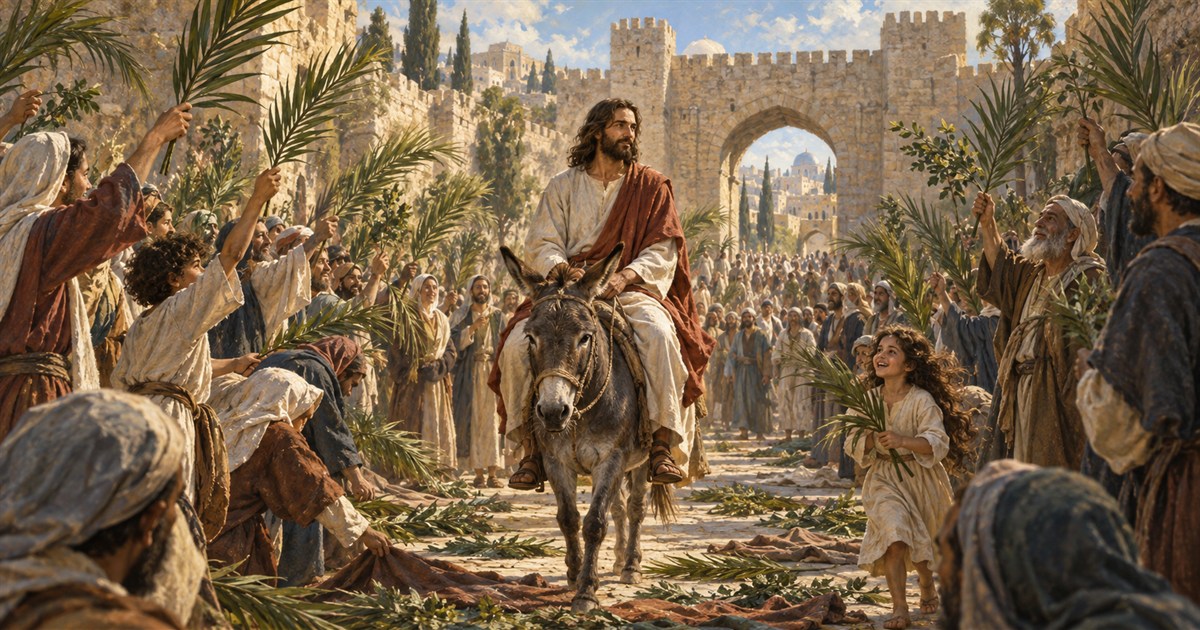
Palm SundayChristian29 March (Orthodox 5 April)Told in the New Testament
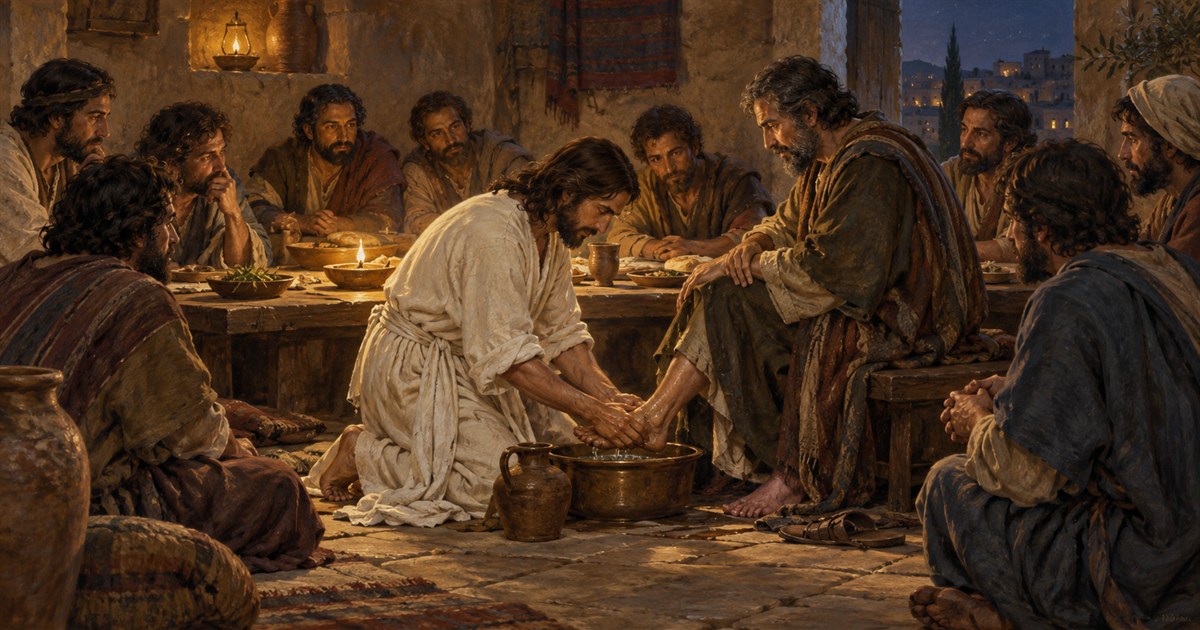
Maundy ThursdayChristian2 April (Orthodox 9 April)Told in the New Testament
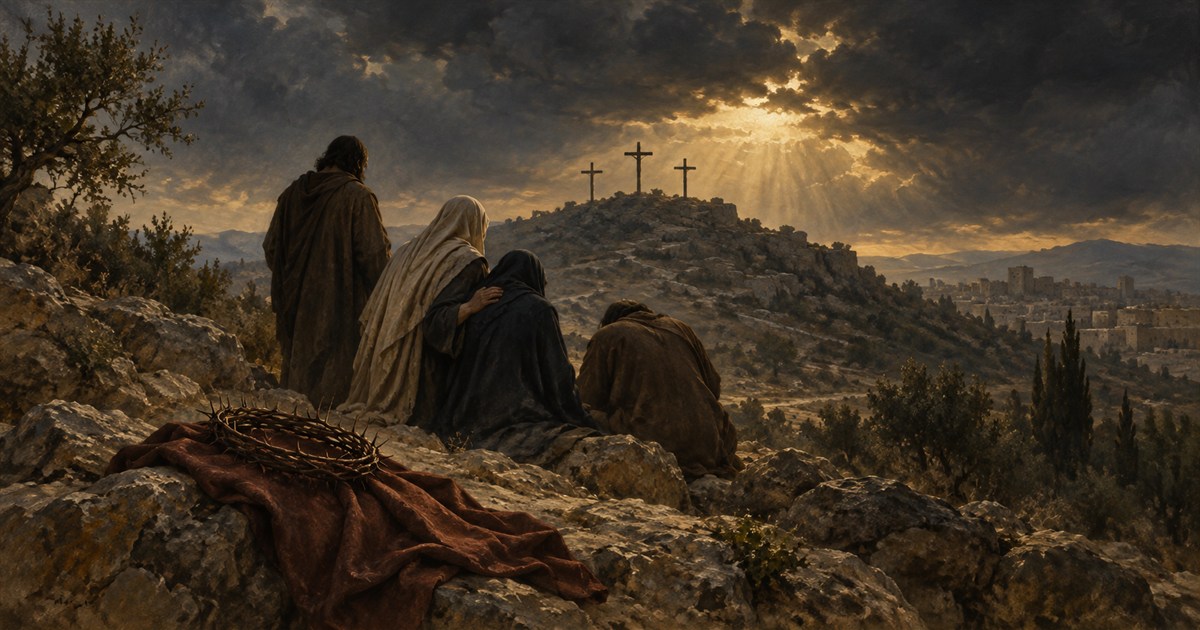
Good FridayChristian3 April (Orthodox 10 April)Told in the New Testament
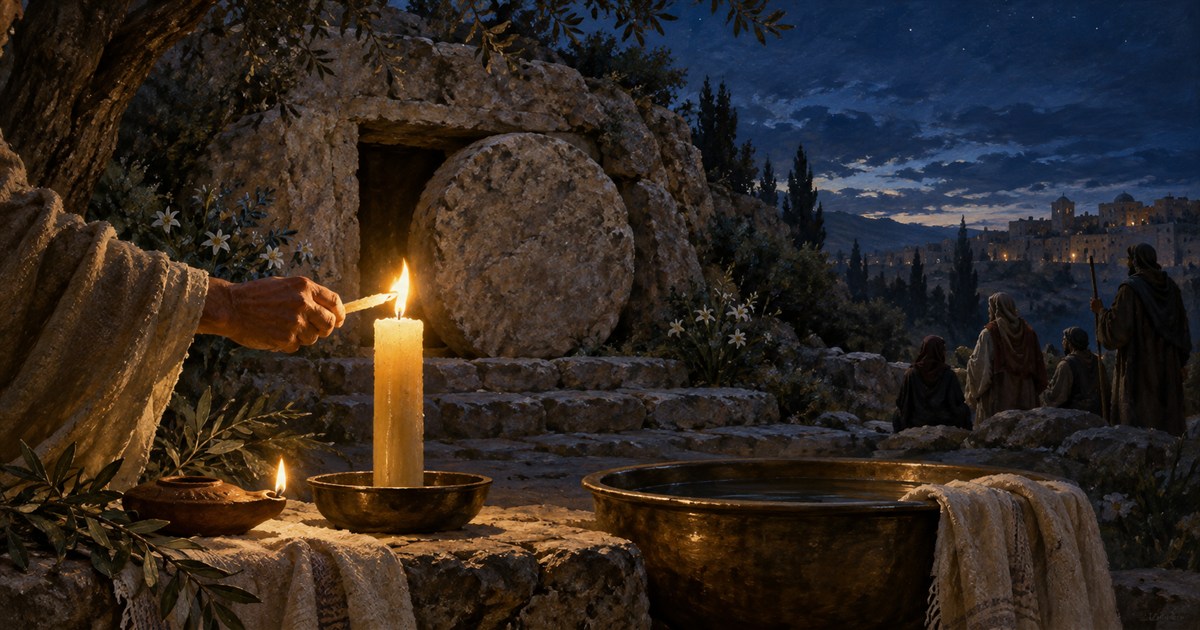
Holy SaturdayChristian4 April (Orthodox 11 April)Told in the New Testament
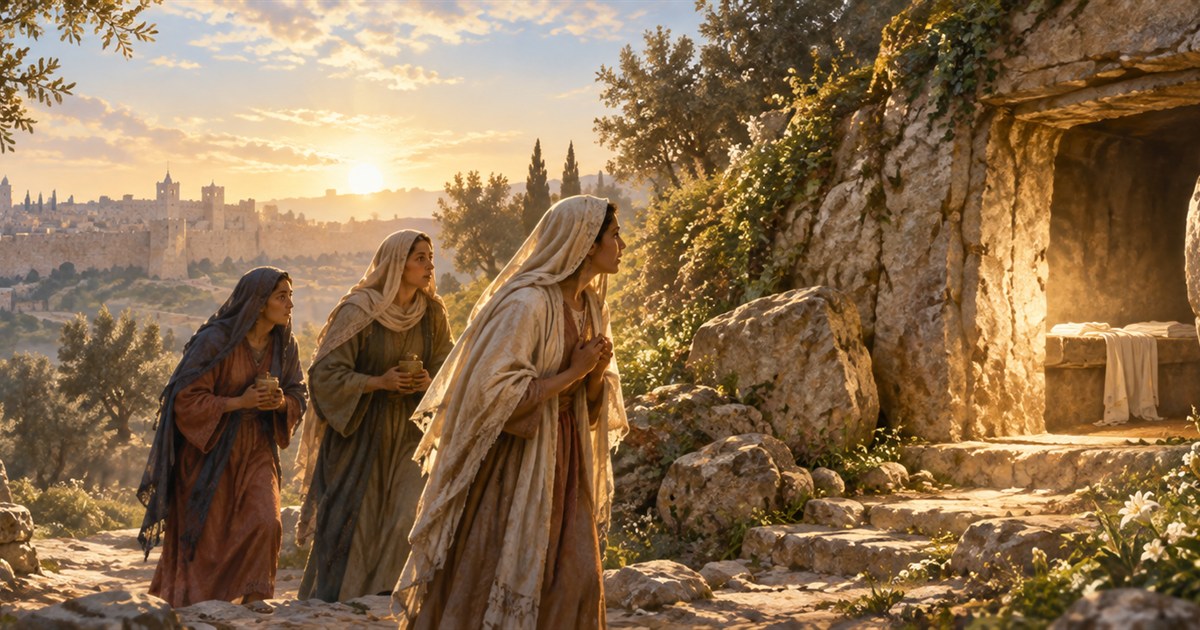
EasterChristian5 April (Orthodox 12 April)Told in the New Testament
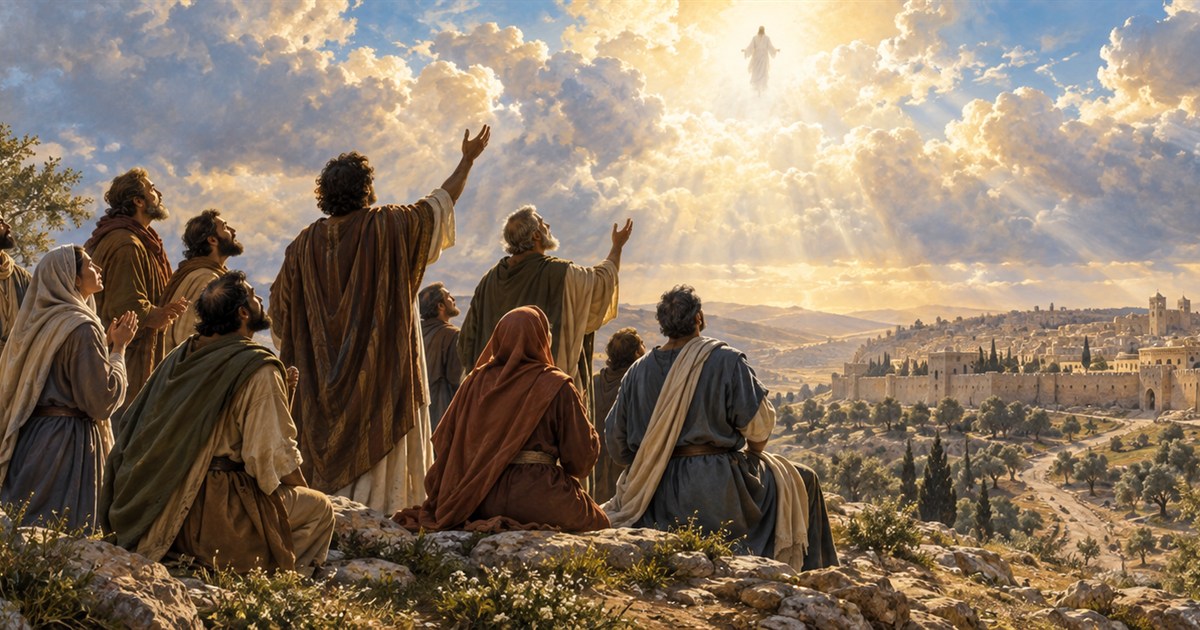
AscensionChristian14 May (Orthodox 21 May); the following Sunday where transferredTold in the New Testament
PentecostChristian24 May (Orthodox 31 May)Told in the New Testament
Trinity SundayChristian31 May (Orthodox 7 June)Scripture themes, date set later
Corpus ChristiChristian4 June (Orthodox 11 June); the following Sunday in many countriesScripture themes, date set later
Nativity of John the BaptistChristian24 June (Julian-calendar observance: 7 July Gregorian); nominal date, local liturgical transfers may applyTold in the New Testament
Saints Peter and PaulChristian29 June (Julian-calendar observance: 12 July Gregorian); nominal date, local liturgical transfers may applyTold in the New Testament
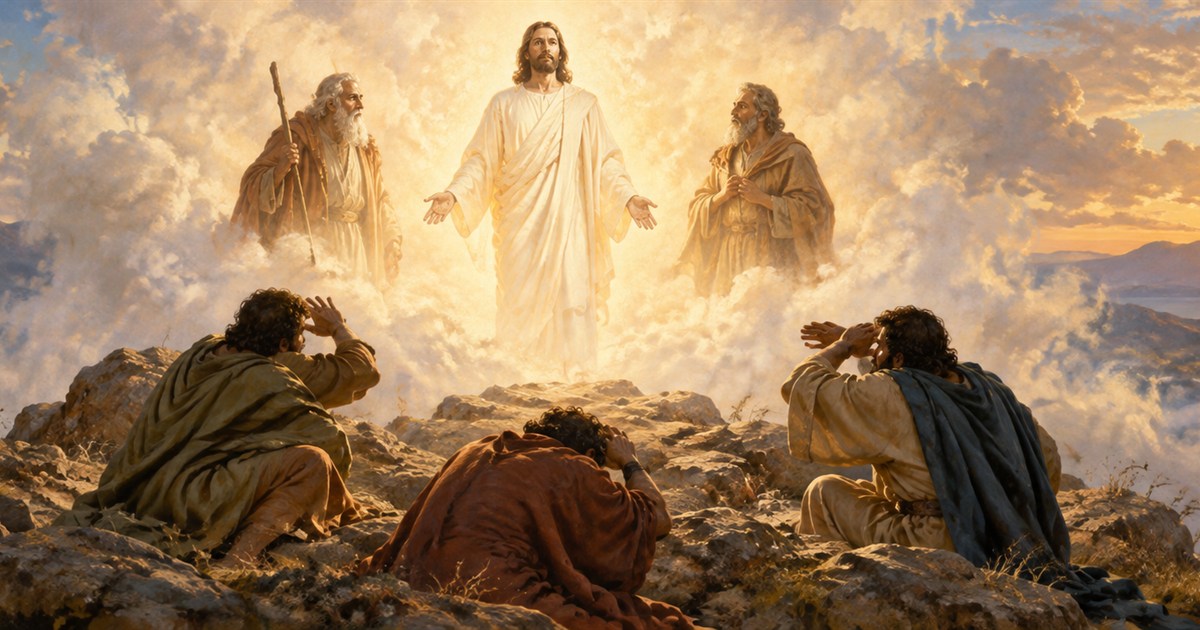
The TransfigurationChristian6 August (Julian-calendar observance: 19 August Gregorian); nominal date, local liturgical transfers may apply; the Sunday before Lent in Lutheran and many Protestant churchesTold in the New Testament
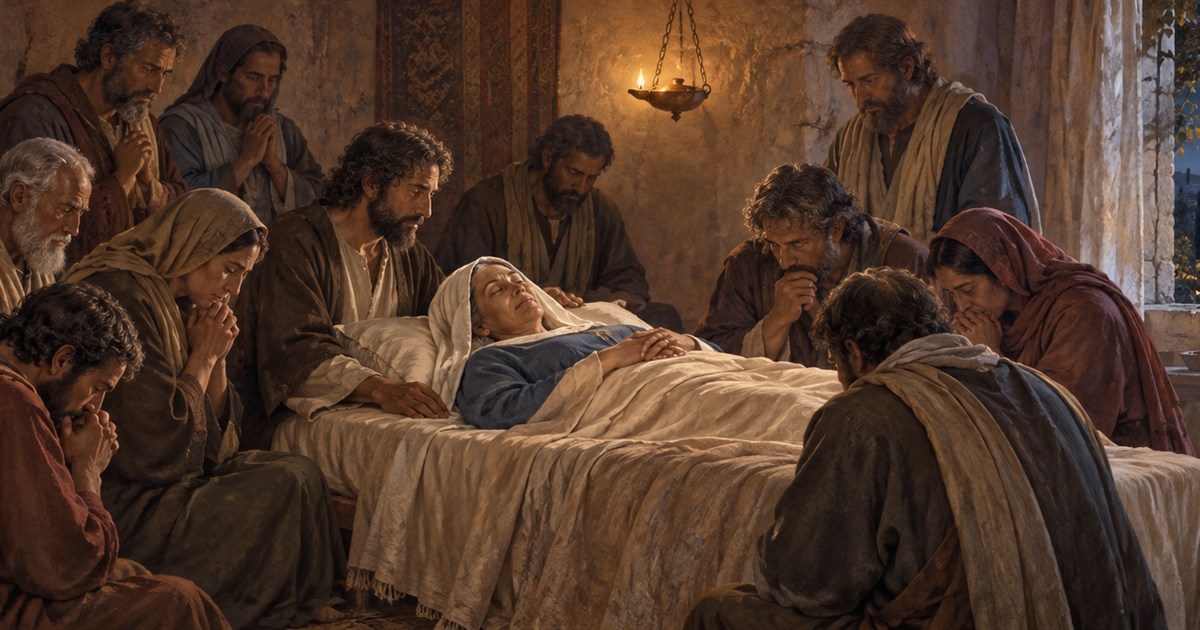
The Dormition and the AssumptionChristian15 August (Julian-calendar observance: 28 August Gregorian); nominal date, local liturgical transfers may applyScripture themes, date set later
Nativity of the TheotokosChristian8 September (Julian-calendar observance: 21 September Gregorian); nominal date, local liturgical transfers may applyScripture themes, date set later
Exaltation of the Holy CrossChristian14 September (Julian-calendar observance: 27 September Gregorian); nominal date, local liturgical transfers may applyScripture themes, date set later
MichaelmasChristian29 September; nominal date, local liturgical transfers may apply; the Orthodox Synaxis of the Archangels is 8 NovemberScripture themes, date set later
All Saints' DayChristian1 November; nominal date, local liturgical transfers may apply; the Orthodox keep All Saints on the Sunday after PentecostScripture themes, date set later
All Souls' DayChristian2 November; nominal date, local liturgical transfers may applyScripture themes, date set later
Christ the KingChristian22 NovemberScripture themes, date set later
Entry of the Theotokos into the TempleChristian21 November (Julian-calendar observance: 4 December Gregorian); nominal date, local liturgical transfers may applyScripture themes, date set later
The Immaculate ConceptionChristian8 December; nominal date, local liturgical transfers may apply; the Orthodox Conception of the Theotokos is 9 DecemberScripture themes, date set later
Eid al-AdhaIslamic27 May to 30 May (Umm al-Qura; a day earlier or later by local sighting)Event also told in the Bible
AshuraIslamic25 June (Umm al-Qura; a day earlier or later by local sighting)Event also told in the Bible
Reformation DayChristian31 October; nominal date, local liturgical transfers may apply; or the nearest SundayNo biblical text
Thanksgiving DayChristian26 November; nominal date, local liturgical transfers may apply; United States; Canada keeps the second Monday of OctoberNo biblical text
Every week

Weekly rest

Shabbat and Sunday have important, distinct roles in Jewish and Christian life.

Genesis 2 describes God resting on the seventh day. The Sabbath commandment also appears in Exodus 20 and Deuteronomy 5. Jewish communities observe Shabbat from Friday sunset to Saturday nightfall, with practices shaped by biblical teaching and rabbinic tradition.

Many Christians gather for worship on Sunday, the day the Gospels associate with Jesus' resurrection. Acts 20:7 describes a first-day gathering to break bread. Seventh-day Adventists and some other Christians observe Saturday as the Sabbath. The cards below explain these different approaches.

Shabbat

the Sabbath
Commanded in the Torah

When Every week, from sunset on Friday to nightfall on Saturday. 2026 Every week.

Shabbat is the Jewish day of rest, from Friday sunset to Saturday nightfall. This guide also explores Sunday worship and the seventh-day Sabbath in Christian traditions.

Exodus 20 connects Sabbath rest with creation, while Deuteronomy 5 connects it with freedom from slavery. Rabbinic teaching, including the Mishnah's categories of labor, explains traditional observance in greater detail.

Who keeps it Many Rabbinic Jewish communities, from Friday sunset to Saturday nightfall; the seventh-day Sabbath is also kept by Seventh-day Adventists, Seventh Day Baptists and some other Christians.

In the Bible Genesis 2:1-3, Exodus 20:8-11, Deuteronomy 5:12-15 Sources

Read the full page ›

Sunday, the Lord's Day

Named in the New Testament

When Every Sunday. 2026 Every week.

Sunday is the principal day of worship in many Christian churches, associated with Jesus' resurrection.

The Catholic Catechism connects Sunday worship with the resurrection and distinguishes it from the Jewish Sabbath. Seventh-day Adventist teaching continues to identify the seventh day as the Sabbath. The Shabbat guide explains these positions with sources.

Who keeps it Catholic, Orthodox, Anglican, Lutheran, Reformed, Methodist, Baptist, Pentecostal and most other Christian churches, which gather for worship on the first day of the week.

In the Bible Matthew 28:1, John 20:19, John 20:26 Sources

Read the full page ›
Leviticus 23 and the pilgrim festivals

The festivals of the Torah

Leviticus 23 is the Bible's own calendar.

In one chapter Leviticus 23 lists the Sabbath, Pesach and the days of unleavened bread, the barley offering and the count of seven weeks to Shavuot, the day of the shofar blast, the Day of Atonement, Sukkot and the eighth day, each with its date and its offerings and the words "a statute for ever throughout your generations". Numbers 28 and 29 give the offerings in full, and Deuteronomy 16 makes three of them pilgrim festivals, when every man was to go up to the place God would choose.

Jewish communities keep every one of them today, in the forms the rabbis gave them after the Temple fell: the seder in place of the lamb, the synagogue in place of the pilgrimage, and a second day of each festival outside the Land of Israel, which the Talmud explains and Reform Judaism has set aside. The names are the ones the tradition uses, Pesach before Passover and Sukkot before Tabernacles.

Christians read these chapters too, and three of the festivals sit inside the New Testament story: Jesus dies at Passover, the Spirit comes at Shavuot, and John sets a whole chapter at Sukkot. Where Christians read a festival as pointing to Jesus, this page says so as a Christian reading and leaves the festival to the people who keep it.

Rosh Chodesh

the new month
Commanded in the Torah

When The first day of every Hebrew month, and the day before it when the previous month has thirty days. 2026 Monthly.

The new moon, marked in the Torah with offerings and trumpet blasts, kept today with extra prayers and a Torah reading.

Who keeps it Many Rabbinic Jewish communities, with added prayers (Hallel and Musaf) and a Torah reading; in many communities a day women especially mark.

In the Bible Numbers 28:11-15, Numbers 10:10, 1 Samuel 20:5 Sources

Pesach

Passover
Commanded in the TorahNamed in the New Testament

When 15 to 21 Nisan (22 outside Israel), beginning at the full moon of the first month. 2026 Evening of 1 April to 9 April; eighth day only outside Israel.

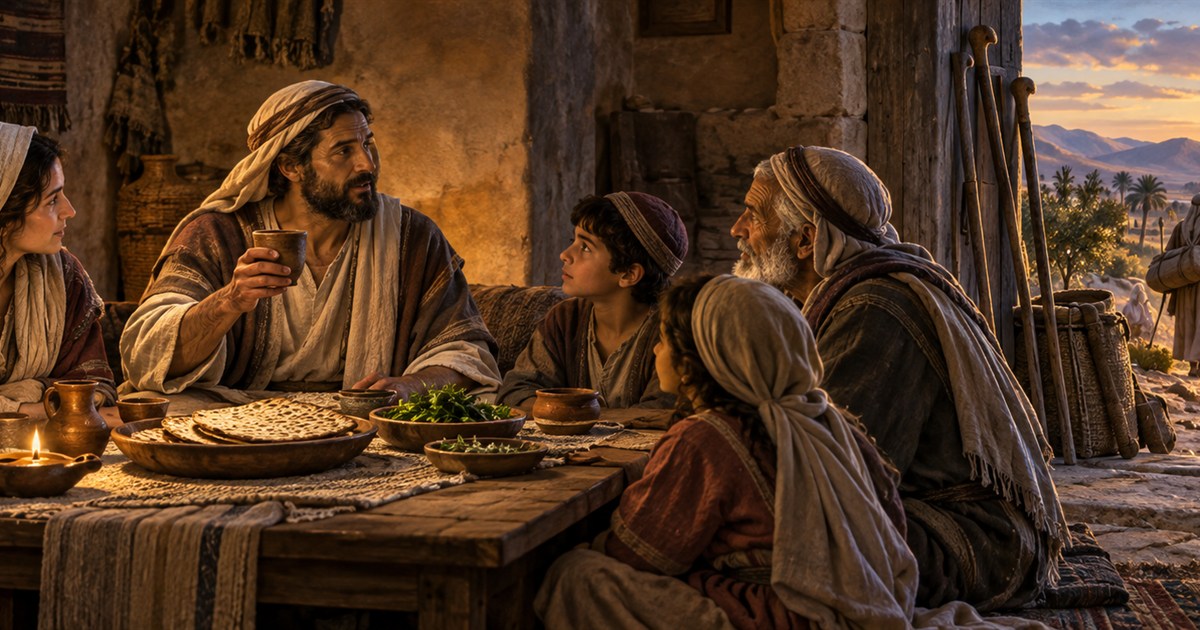
Passover, or Pesach, is the Jewish festival commemorating the Israelites' freedom from slavery in Egypt. The seder meal brings families and friends together to tell the Exodus story.

The Mishnah describes the seder's readings, questions and symbolic foods. The Gospels also place the Last Supper and Jesus' death in the Passover setting, with differences in chronology. The Passover guide discusses these accounts and Samaritan observance separately.

Who keeps it Many Rabbinic Jewish communities: seven days in Israel and in Reform practice, eight in Orthodox and Conservative communities outside Israel, with a seder on the first night (and the second, outside Israel) and no leaven for the whole festival. Samaritans keep their own Passover with a lamb sacrifice on Mount Gerizim.

In the Bible Exodus 12:1-28, Exodus 12:43-51, Exodus 13:3-10 Sources

Read the full page ›

Counting the Omer

Sefirat HaOmer
Commanded in the Torah

When The forty-nine days from the second day of Pesach to Shavuot. 2026 Evening of 2 April to 21 May.

The seven weeks the Torah says to count from the barley offering to the Feast of Weeks, counted aloud each night between Pesach and Shavuot.

Who keeps it Many Rabbinic Jewish communities count the forty-nine days aloud each night; Orthodox and many Conservative Jews also keep a period of semi-mourning (no weddings, no haircuts) for part of it.

In the Bible Leviticus 23:9-16, Deuteronomy 16:9 Sources

Shavuot

the Feast of Weeks · Pentecost
Commanded in the TorahTold in the New Testament

When 6 Sivan in the fixed rabbinic calendar, after the forty-nine-day Omer count; a second festival day is observed in many diaspora communities. 2026 Evening of 21 May to 23 May; one day in Israel and many Reform communities; two days in many diaspora communities.

Shavuot celebrates the wheat harvest and, in rabbinic Jewish tradition, the giving of the Torah at Sinai. Christian Pentecost commemorates the coming of the Holy Spirit. Their histories are connected, but each has its own meaning and calendar.

Leviticus describes the harvest offering and the count leading to Shavuot. Rabbinic tradition connects the festival with the giving of the Torah at Sinai. Acts 2 places the coming of the Holy Spirit at this Jewish festival; Christian Pentecost is now a distinct observance.

Who keeps it Many Rabbinic Jewish communities; one day in Israel and in Reform practice, two in Orthodox and Conservative communities outside Israel, with all-night Torah study, the reading of Ruth and dairy meals.

In the Bible Exodus 23:16, Exodus 34:22, Leviticus 23:15-22 Sources

Read the full page ›

Rosh Hashanah

the Jewish New Year · Yom Teruah, the day of the shofar blast
Commanded in the Torah

When 1 and 2 Tishrei. 2026 Evening of 11 September to 13 September; the Hebrew year 5787 begins.

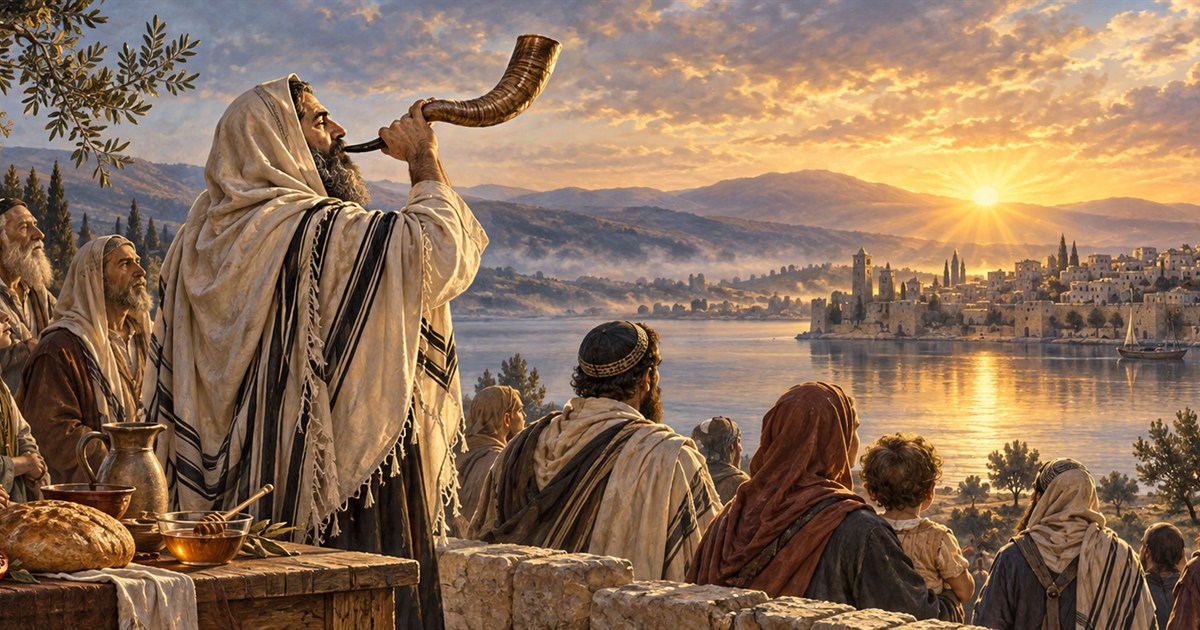
Rosh Hashanah is the Jewish New Year and the beginning of the High Holy Days. Prayer, the sound of the shofar and festive meals mark a time of reflection and hope for the year ahead.

The Torah describes a sacred day in the seventh month. The Mishnah discusses the new year and judgment. Two-day observance is widespread, including in Israel, though practice varies.

Who keeps it Many Rabbinic Jewish communities; two days in Orthodox and Conservative practice everywhere, and in Israel; many Reform congregations keep one. The shofar is sounded, apples are dipped in honey, and tashlich is said by water.

In the Bible Leviticus 23:23-25, Numbers 29:1-6, Nehemiah 8:1-12 Sources

Read the full page ›

Yom Kippur

the Day of Atonement
Commanded in the Torah

When 10 Tishrei. 2026 Evening of 20 September to nightfall 21 September.

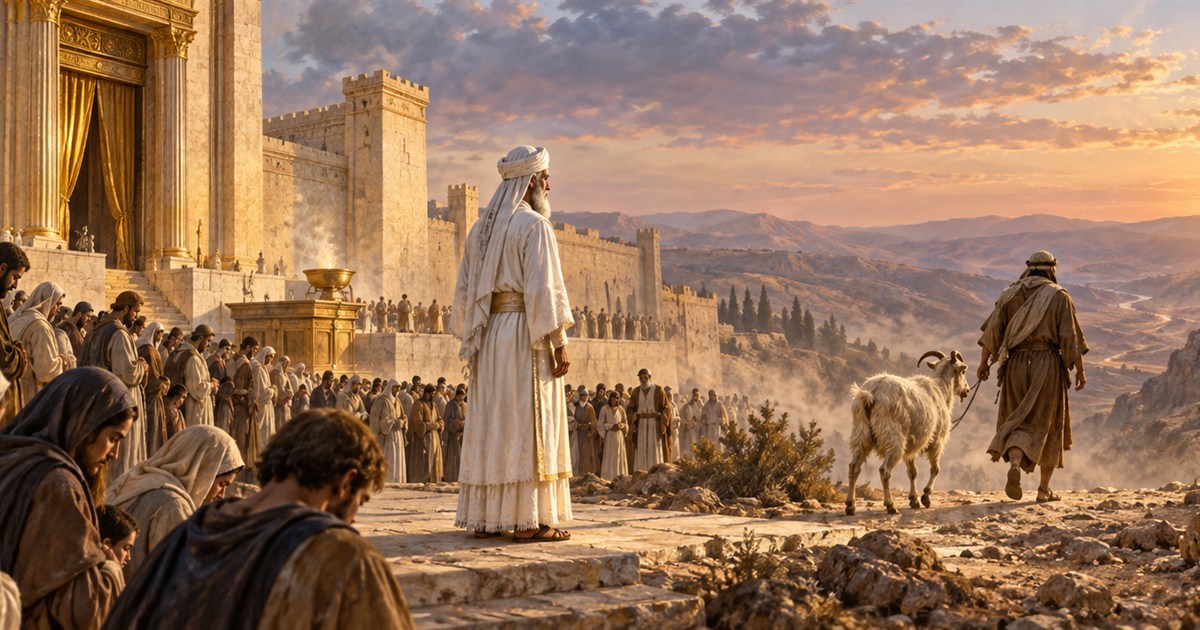
Yom Kippur, the Day of Atonement, is a Jewish day of repentance, prayer and fasting. It concludes the ten Days of Repentance that begin with Rosh Hashanah.

Hebrews 9 interprets the Temple service in relation to Jesus. This Christian reading differs from the continuing Jewish observance of the Day of Atonement.

Who keeps it Many Rabbinic Jewish communities, with a twenty-five hour fast, five prayer services, the Kol Nidre and Ne'ilah, and white clothing; the most widely observed day of the Jewish year.

In the Bible Leviticus 16, Leviticus 23:26-32, Numbers 29:7-11 Sources

Read the full page ›

Sukkot

the Feast of Tabernacles · the Feast of Booths
Commanded in the TorahNamed in the New Testament

When 15 to 21 Tishrei. 2026 Evening of 25 September to 2 October; the first two days are Yom Tov outside Israel.

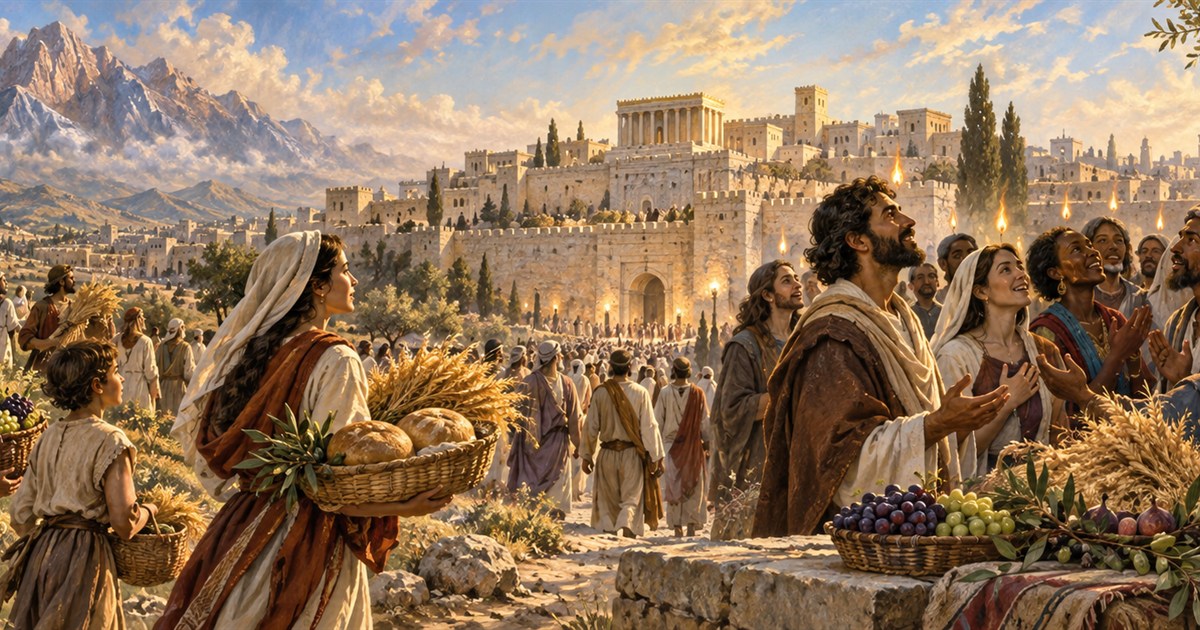
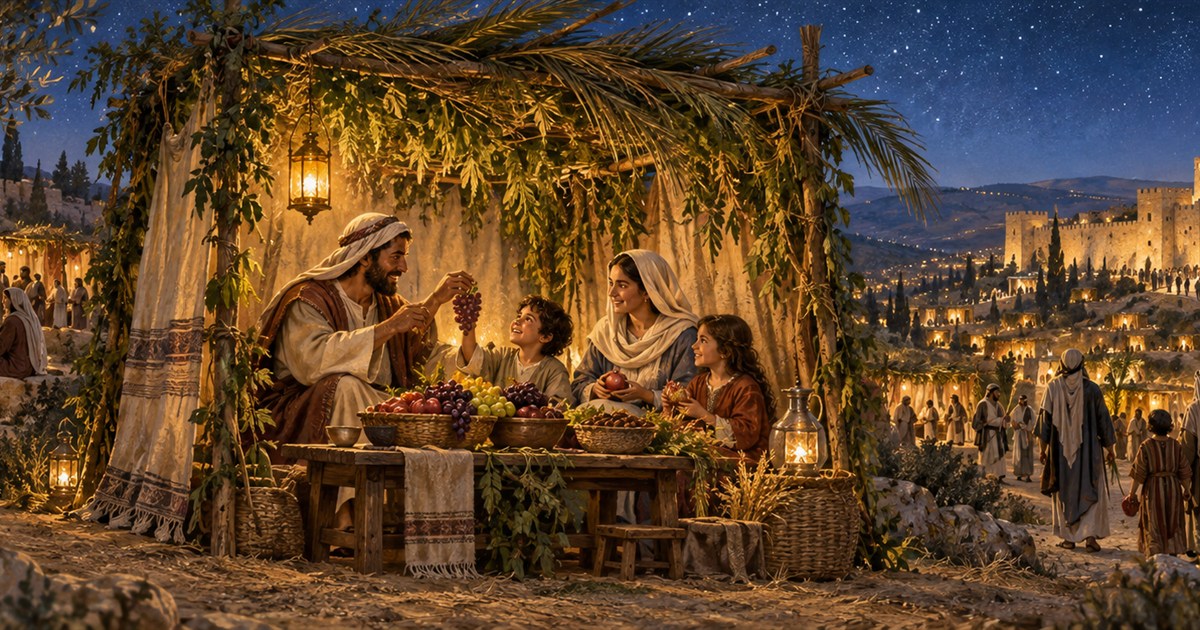
Sukkot is a seven-day Jewish festival of harvest and remembrance. Its temporary shelters, called sukkot, recall the Israelites' life in the wilderness.

John 7 sets a whole chapter at "the Jewish Feast of Tabernacles", with Jesus teaching in the Temple and, on "the last and greatest day of the feast", speaking of living water. Zechariah 14 has the nations coming up to Jerusalem to keep Sukkot, a text some Christian pilgrims act on by travelling there for the festival each year.

Who keeps it Many Rabbinic Jewish communities, eating (and in many homes sleeping) in a sukkah for seven days and waving the lulav and etrog; the first day (two outside Israel) is a full festival day.

In the Bible Leviticus 23:33-43, Numbers 29:12-34, Deuteronomy 16:13-15 Sources

Read the full page ›

Shemini Atzeret

the eighth day of assembly
Commanded in the Torah

When 22 Tishrei. 2026 Evening of 2 October to nightfall 3 October.

The Torah's eighth day of solemn assembly after Sukkot, a festival of its own, on which the prayer for rain begins.

Who keeps it Many Rabbinic Jewish communities; a festival day in its own right with the prayer for rain and Yizkor. In Israel and in Reform practice it is combined with Simchat Torah.

In the Bible Leviticus 23:36, Leviticus 23:39, Numbers 29:35-38 Sources

Esther, the Maccabees, the fasts and the rabbis

Days from later Jewish history

These observances commemorate events in Jewish history and reflect traditions developed over many generations.

The rabbis distinguish days the Torah commands from days they established, and count the second kind a strength. Purim comes from the Book of Esther, which orders the Jews of Persia to keep it in every generation. The four fasts come from Zechariah, who names them by their months and promises they will become days of joy. Hanukkah comes from the Maccabees, and is the page's best lesson in whose Bible is which: its card below tells that story.

Later observances reflect developments in Jewish religious and communal life. These include Simchat Torah, Tu BiShvat, Tu B'Av and Lag BaOmer. Modern Israeli commemorations appear in the historical and civil section.

Simchat Torah

rejoicing in the Torah
Scripture themes, date set later

When 23 Tishrei outside Israel, 22 Tishrei in Israel. 2026 Evening of 3 October to nightfall 4 October; a day earlier in Israel, with Shemini Atzeret.

The day the annual Torah reading ends and begins again, celebrated with dancing; the name and the custom are medieval, grown on the second day of Shemini Atzeret.

The one-year reading cycle that ends on this day was the Babylonian custom; the Land of Israel once read the Torah over three years or more. The name Simchat Torah appears in the Middle Ages.

Who keeps it Many Rabbinic Jewish communities, dancing with the Torah scrolls as the yearly reading cycle ends with Deuteronomy and begins again with Genesis. On 23 Tishrei outside Israel; on 22 Tishrei, together with Shemini Atzeret, in Israel and in Reform practice.

In the Bible Deuteronomy 34, Genesis 1, Joshua 1 Sources

Fast of Gedaliah

Tzom Gedaliah
Instituted in the Hebrew Bible

When 3 Tishrei (moved to 4 Tishrei when 3 Tishrei is Shabbat). 2026 Dawn to nightfall 14 September.

The fast for the murder of Gedaliah, the governor Babylon left in Judah, one of the four fasts Zechariah names.

Who keeps it Orthodox and many Conservative Jews, as a dawn-to-nightfall fast.

In the Bible Zechariah 8:19 (the fast of the seventh month), 2 Kings 25:22-26, Jeremiah 41:1-3 Sources

Hanukkah

Chanukah · the Feast of Dedication · the Festival of Lights
Told in the deuterocanonNamed in the New Testament

When 25 Kislev to 2 or 3 Tevet, eight days. 2026 First candle on the evening of 4 December; 5 December to 12 December.

Hanukkah is the eight-day Jewish Festival of Lights. It commemorates the rededication of the Temple in Jerusalem, and families mark it by lighting candles each evening.

Whose Bible includes this account? The rededication is described in 1 Maccabees 4 and 2 Maccabees 10. Catholic and many Orthodox Bibles include these books as Scripture; they are absent from the Tanakh. Some Protestant editions include them as Apocrypha. John 10:22 explicitly names the Feast of Dedication in the New Testament. The Talmud discusses the oil and lights, and synagogue readings include Numbers 7. See the books of the Bible for distinctions among collections.

Who keeps it Observed across Rabbinic Jewish communities, commonly with lights for eight nights and prayers of thanksgiving. Hanukkah itself does not prohibit work, but Shabbat restrictions still apply.

In the Bible 1 Maccabees 4:36-59, 2 Maccabees 10:1-8, 2 Maccabees 1:18 Sources

Read the full page ›

Tenth of Tevet

Asara B'Tevet
Instituted in the Hebrew Bible

When 10 Tevet. 2026 Dawn to nightfall 20 December.

The fast for the day Nebuchadnezzar's siege of Jerusalem began, one of the four fasts Zechariah names.

Who keeps it Orthodox and many Conservative Jews, as a dawn-to-nightfall fast; in Israel also a day of Kaddish for Holocaust victims whose date of death is unknown.

In the Bible Zechariah 8:19 (the fast of the tenth month), 2 Kings 25:1-2, Jeremiah 52:4 Sources

Tu BiShvat

the New Year for Trees
Scripture themes, date set later

When 15 Shevat. 2026 Evening of 1 February to nightfall 2 February.

The Mishnah's new year for trees, a tax date for tithing fruit, grown into a day of fruit, planting and care for the land.

Who keeps it Jewish communities of every kind, with fruit, a kabbalistic seder in many homes and synagogues, and tree planting in Israel.

In the Bible Leviticus 19:23-25, Deuteronomy 20:19, Deuteronomy 8:7-10 Sources

Fast of Esther

Ta'anit Esther
Scripture themes, date set later

When 13 Adar (moved earlier to Thursday when it falls on Shabbat). 2026 Dawn to nightfall 2 March.

A fast on the eve of Purim recalling the three days Esther fasted before going to the king; the fast day itself is post-Talmudic.

Who keeps it Orthodox and many Conservative Jews, as a dawn-to-nightfall fast on the day before Purim.

In the Bible Esther 4:16, Esther 9:31 (the matters of the fastings) Sources

Purim

the Feast of Lots
Instituted in the Hebrew Bible

When 14 Adar (Adar II in a leap year); 15 Adar in Jerusalem. 2026 Evening of 2 March to nightfall 3 March; Shushan Purim, kept in Jerusalem, is the following day; the Fast of Esther is the day before.

Purim celebrates the deliverance of the Jewish people in the Book of Esther. Observances include reading the story aloud, sharing food, giving to people in need and enjoying a festive meal.

Esther 9:20–28 describes letters establishing the annual celebration. The Purim guide explains the story and the festival's principal observances.

Who keeps it Many Rabbinic Jewish communities, with the reading of the Book of Esther, gifts of food, gifts to the poor, a festive meal and costumes; walled cities such as Jerusalem keep Shushan Purim a day later.

In the Bible Esther 9:20-32, the Book of Esther (the Megillah), Exodus 17:8-16 Sources

Read the full page ›

Lag BaOmer

the thirty-third day of the Omer
No biblical text

When 18 Iyar, the thirty-third day of the Omer. 2026 Evening of 4 May to nightfall 5 May.

Lag BaOmer is a day of celebration during the Omer, associated in Jewish tradition with Rabbi Akiva's students and Rabbi Shimon bar Yochai.

Who keeps it Jewish communities of every kind, as a break in the Omer's mourning: bonfires, weddings, haircuts, and a pilgrimage to Meron in Israel.

In the Bible no text Sources

Seventeenth of Tammuz

Shiva Asar B'Tammuz
Instituted in the Hebrew Bible

When 17 Tammuz (moved to Sunday when it falls on Shabbat). 2026 Dawn to nightfall 2 July.

The fast for the breach of Jerusalem's walls, one of the four fasts Zechariah names; the Mishnah lists five calamities on the day.

Who keeps it Orthodox and many Conservative Jews, as a dawn-to-nightfall fast that opens the Three Weeks of mourning before Tisha B'Av.

In the Bible Zechariah 8:19 (the fast of the fourth month), Jeremiah 39:2, Jeremiah 52:6-7 Sources

Tisha B'Av

the Ninth of Av
Instituted in the Hebrew Bible

When 9 Av (moved to 10 Av when it falls on Shabbat). 2026 Evening of 22 July to nightfall 23 July.

Tisha B'Av is a Jewish day of mourning for the destruction of the First and Second Temples in Jerusalem and other tragedies in Jewish history. Observances include fasting and reading Lamentations.

The Mishnah lists five calamities on the ninth of Av, and later tradition added the expulsions from England in 1290 and Spain in 1492, both said to fall on or near the day.

Who keeps it Orthodox and Conservative Jews with a twenty-five hour fast, Lamentations read by candlelight sitting on the floor, and no leather shoes; many Reform communities hold a service of remembrance.

In the Bible Zechariah 8:19 (the fast of the fifth month), 2 Kings 25:8-9, Jeremiah 52:12-13 Sources

Read the full page ›

Tu B'Av

the fifteenth of Av
Scripture themes, date set later

When 15 Av. 2026 Evening of 28 July to nightfall 29 July.

The Mishnah's day when the daughters of Jerusalem danced in the vineyards, which it pairs with Yom Kippur as the happiest days of the year; the vineyard dance at Shiloh in Judges is the closest biblical echo.

Who keeps it A minor day of joy; in Israel a popular day for weddings and a festival of love; no fasting or mourning prayers.

In the Bible Judges 21:19-21 Sources

From Advent to Candlemas

The Christian year: the Christmas cycle

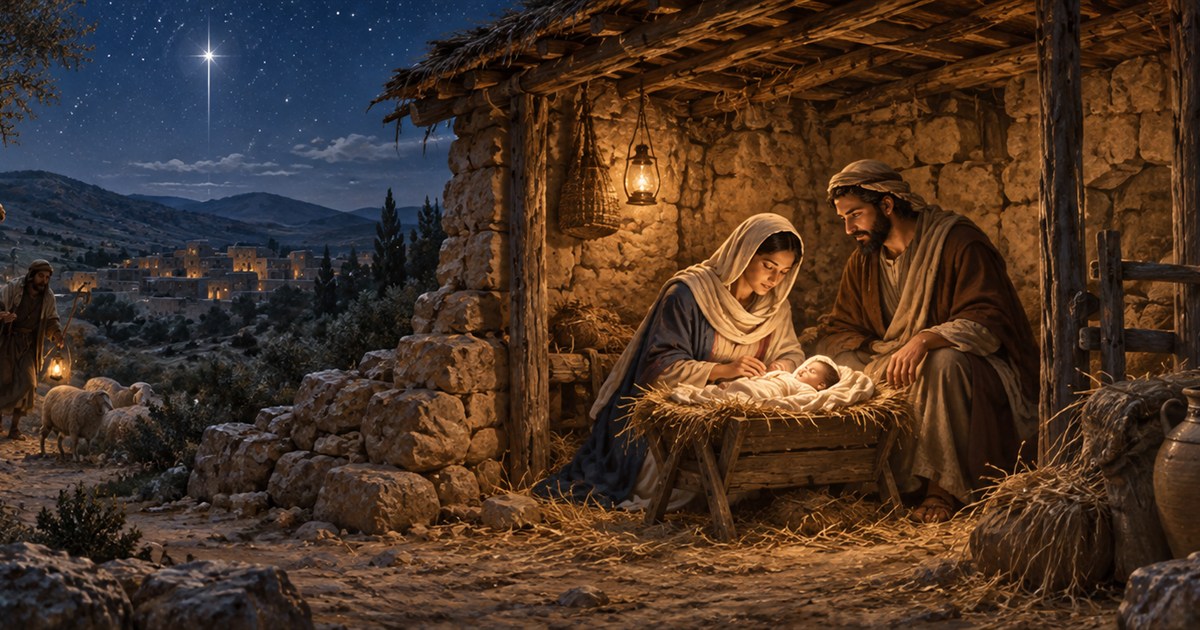
Christmas and its surrounding seasons remember Jesus' birth and the early events of his life.

Matthew and Luke describe Jesus' birth. Christmas developed as an annual celebration in early Christianity; a fourth-century Roman calendar records it on 25 December. The Christmas guide explains the historical evidence and the different calendar traditions.

Advent prepares for Christmas. Other observances recall Stephen, the children of Bethlehem, Jesus' naming, the magi's visit and his presentation in the Temple. Their dates and place in the church year vary by tradition.

Christmas observance varies among Christians. Some churches follow a full liturgical season, others focus on Christmas services, and some do not observe the holiday. The Christmas guide includes named examples and sources.

Advent

the Nativity Fast (Orthodox)
Scripture themes, date set later

When The four Sundays before Christmas in the West; 15 November to 24 December in the East. 2026 29 November to 24 December.

Advent is a Christian season of preparation for Christmas, with readings about hope, watchfulness and the coming of Christ.

Advent readings include passages from Isaiah and accounts of John the Baptist. The season developed through church tradition, and its length and customs vary.

Who keeps it Catholic, Anglican, Lutheran, Methodist, Presbyterian and many other Western churches keep four Sundays before Christmas, with the Advent wreath; the Orthodox keep a forty-day Nativity Fast from 15 November.

In the Bible Isaiah 2:1-5, Isaiah 7:14, Isaiah 9:2-7 Sources

Christmas

the Nativity of the Lord · the Nativity of Christ
Told in the New Testament

When 25 December (7 January or 6 January in the churches named). 2026 25 December (Julian-calendar observance: 7 January Gregorian); nominal date, local liturgical transfers may apply; 6 January in the Armenian Church.

Christmas celebrates the birth of Jesus. Many churches observe it on 25 December, while others use calendars or traditions that place the celebration in January.

Matthew and Luke offer different accounts of Jesus' birth. The Christmas guide explains their details, the evidence for early celebrations and the debate over the December date.

Who keeps it Nearly every Christian church, on 25 December in the West and in most Orthodox churches; on 7 January (25 December on the Julian calendar) in the Russian, Serbian, Georgian, Ethiopian, Eritrean and Jerusalem churches and Ukrainian churches that keep the old calendar; on 6 January in the Armenian Apostolic Church. Jehovah's Witnesses do not keep it.

In the Bible Luke 2:1-20, Matthew 1:18-25, Luke 1:26-38 Sources

Read the full page ›

St Stephen's Day

the feast of the first martyr
Told in the New Testament

When 26 December (27 December in the East). 2026 26 December (Julian-calendar observance: 8 January Gregorian); nominal date, local liturgical transfers may apply.

The day after Christmas, kept for Stephen, whose death by stoning the Acts of the Apostles tells.

Who keeps it Catholic, Anglican and Lutheran churches on 26 December; the Orthodox on 27 December. A public holiday in several countries (Boxing Day in Britain falls on the same day).

In the Bible Acts 6:8-15, Acts 7:54-60, Matthew 10:17-22 Sources

Holy Innocents

Childermas
Told in the New Testament

When 28 December (29 December in the East). 2026 28 December (Julian-calendar observance: 10 January Gregorian); nominal date, local liturgical transfers may apply.

The children of Bethlehem killed on Herod's order, as Matthew tells it, remembered in the days after Christmas.

Who keeps it Catholic, Anglican and Lutheran churches on 28 December; the Orthodox on 29 December.

In the Bible Matthew 2:13-18, Jeremiah 31:15, Revelation 14:1-5 Sources

1 January: the eighth day

Mary, Mother of God (Catholic) · the Circumcision of the Lord (Orthodox, Lutheran) · the Holy Name of Jesus (Anglican)
Told in the New Testament

When 1 January, the eighth day after Christmas. 2026 1 January (Julian-calendar observance: 14 January Gregorian); nominal date, local liturgical transfers may apply.

The eighth day of Christmas is associated with Jesus' naming and circumcision. Church calendars give 1 January different liturgical titles.

Who keeps it Catholics as the Solemnity of Mary, Mother of God; the Orthodox as the Circumcision of Christ (1 January, or 14 January on the Julian calendar); Anglicans and Lutherans as the Holy Name or the Circumcision.

In the Bible Luke 2:21, Leviticus 12:3, Genesis 17:12 Sources

Epiphany and Theophany

Three Kings' Day · the Baptism of the Lord
Told in the New Testament

When 6 January (19 January on the Julian calendar); in the United States the Sunday between 2 and 8 January. 2026 6 January (Julian-calendar observance: 19 January Gregorian); nominal date, local liturgical transfers may apply; the nearest Sunday in the United States.

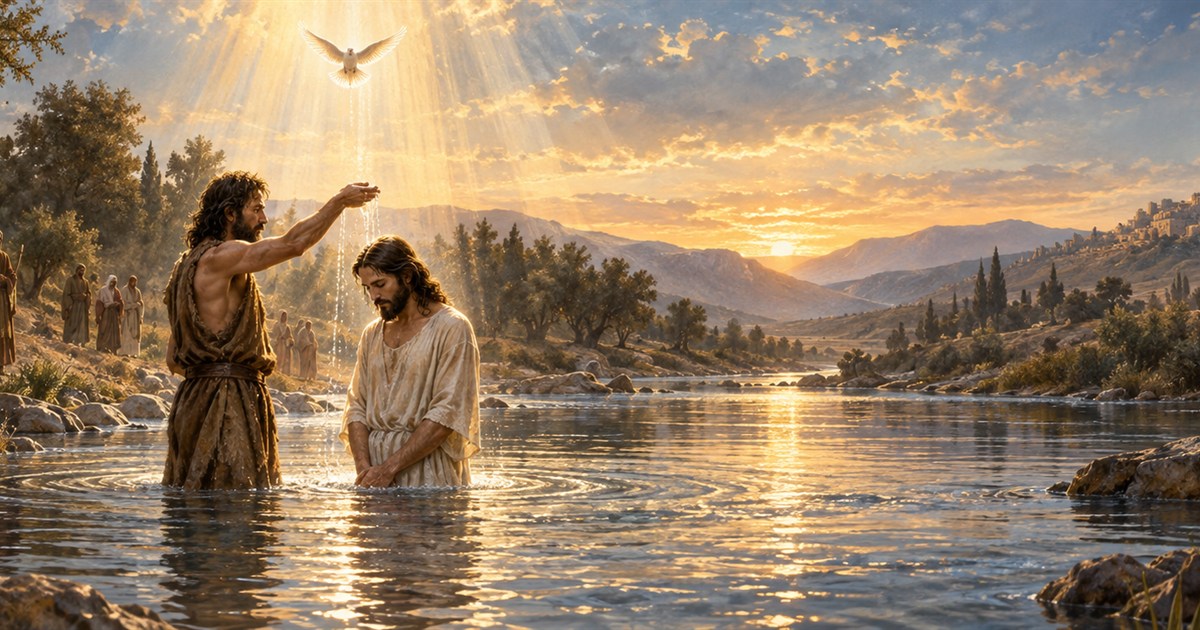
Epiphany celebrates Jesus being revealed to the world. Western traditions often focus on the visit of the magi; Eastern Orthodox Theophany celebrates his baptism.

Who keeps it In the West (Catholic, Anglican, Lutheran) the visit of the magi, on 6 January or the nearest Sunday; in the East (Orthodox) Theophany, the baptism of Jesus in the Jordan, on 6 January (19 January on the Julian calendar), with the blessing of waters.

In the Bible Matthew 2:1-12, Matthew 3:13-17, Mark 1:9-11 Sources

Read the full page ›

The Presentation

Candlemas · the Meeting of the Lord (Orthodox)
Told in the New Testament

When 2 February (15 February on the Julian calendar). 2026 2 February (Julian-calendar observance: 15 February Gregorian); nominal date, local liturgical transfers may apply.

Jesus brought to the Temple forty days after his birth, as the Torah's law of purification required, and met by Simeon and Anna; told by Luke and kept in Jerusalem by the 380s.

Who keeps it Catholic, Orthodox, Anglican and Lutheran churches, forty days after Christmas, with the blessing of candles in the West.

In the Bible Luke 2:22-40, Leviticus 12:1-8, Exodus 13:2 Sources

The Annunciation

Lady Day
Told in the New Testament

When 25 March nominally; Julian-calendar equivalent 7 April Gregorian. Roman liturgical transfers apply. 2026 25 March (Julian-calendar observance: 7 April Gregorian); nominal date, local liturgical transfers may apply.

Gabriel's message to Mary in Nazareth, told by Luke, kept nine months before Christmas.

Who keeps it Catholic, Orthodox, Anglican and Lutheran churches, nine months before Christmas; in the Roman calendar it moves when it falls in Holy Week or Easter week.

In the Bible Luke 1:26-38, Isaiah 7:10-14, Hebrews 10:4-10 Sources

From Ash Wednesday to Corpus Christi

The Christian year: the Easter cycle

Easter is central to the Christian year, with seasons of preparation and celebration around it.

The Gospels place Jesus' death and resurrection around Passover. Early Christians developed an annual Pascha, with disagreements about when to observe it. The Easter guide explains this history and why church calendars still differ.

Lent prepares for Easter through prayer, fasting and generosity, drawing on biblical accounts of forty-day periods. Holy Week recalls the events leading to Jesus' death and burial. The Easter season continues through Pentecost, the fiftieth day counting Easter Sunday as day one.

In most of the world the festival is not called Easter at all but Pascha, from the Hebrew Pesach: in Greek, Latin, Spanish, Russian and nearly every language except English and German. Bede reports that the English name came from a month of the old English calendar sources.

Ash Wednesday

Clean Monday (Orthodox)
Scripture themes, date set later

When Forty-six days before Easter; Clean Monday is forty-eight days before Pascha. 2026 18 February (Clean Monday 23 February).

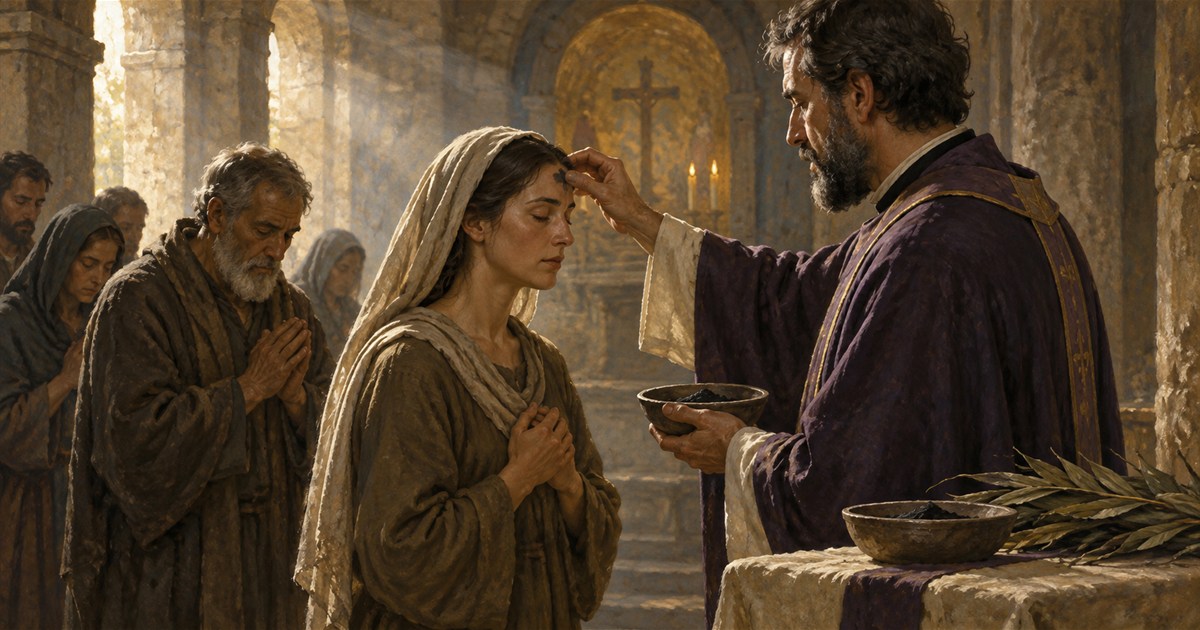
The first day of Lent in the West, when ashes are put on the forehead with the words of Genesis 3:19; the rite is medieval, the penitence it borrows is biblical.

Who keeps it Catholic, Anglican, Lutheran, Methodist and many other Western churches begin Lent with ashes on the forehead and a fast; the Orthodox begin Great Lent two days earlier on Clean Monday.

In the Bible Joel 2:12-18, Matthew 6:1-6, Matthew 6:16-18 Sources

Read the full page ›

Lent

Great Lent (Orthodox) · the Great Fast
Scripture themes, date set later

When Roman Rite: Ash Wednesday until the evening of Holy Thursday; Byzantine Great Lent: Clean Monday through the Friday before Lazarus Saturday. 2026 18 February to 2 April (Great Lent 23 February to 3 April).

Lent is a Christian season of preparation for Easter through prayer, fasting and generosity. Holy Week recalls the final events of Jesus' life, leading to Easter Sunday.

Biblical accounts of forty-day periods helped shape Lent. The season developed over time, and churches differ in how they count its days and relate it to Holy Week.

Who keeps it Catholic, Orthodox, Anglican, Lutheran, Methodist and many other churches, as forty days of fasting, prayer and giving before Easter; most Baptist, Pentecostal and non-denominational churches do not keep a fixed season, though many now mark it.

In the Bible Mark 1:12-15, Luke 4:1-13, Isaiah 58:6-7 Sources

Read the full page ›

Palm Sunday

Passion Sunday · the Entry into Jerusalem
Told in the New Testament

When The Sunday before Easter. 2026 29 March (Orthodox 5 April).

Jesus' entry into Jerusalem on a donkey to shouts of Hosanna, told by all four Gospels; the procession with palms is attested in Jerusalem in the 380s.

Who keeps it Nearly every church that keeps Easter, with palms or branches carried in procession; the Orthodox keep Lazarus Saturday the day before.

In the Bible Matthew 21:1-11, Mark 11:1-11, Luke 19:28-40 Sources

Read the full page ›

Maundy Thursday

Holy Thursday · Great and Holy Thursday
Told in the New Testament

When The Thursday before Easter. 2026 2 April (Orthodox 9 April).

The night of the Last Supper and the washing of the disciples' feet; the name comes from the new commandment (mandatum) of John 13:34.

Who keeps it Catholic, Orthodox, Anglican, Lutheran and many other churches, with the washing of feet and the evening Mass of the Lord's Supper.

In the Bible John 13:1-17, John 13:34-35, Luke 22:7-20 Sources

Read the full page ›

Good Friday

Great and Holy Friday
Told in the New Testament

When The Friday before Easter. 2026 3 April (Orthodox 10 April).

The crucifixion and burial of Jesus, told by all four Gospels; the church's most solemn day.

Who keeps it Nearly every Christian church, with the reading of the Passion, the veneration of the cross and a fast; a public holiday in many countries.

In the Bible John 18, John 19, Matthew 27 Sources

Read the full page ›

Holy Saturday

Great and Holy Saturday · the Easter Vigil
Told in the New Testament

When The Saturday before Easter. 2026 4 April (Orthodox 11 April).

Holy Saturday recalls Jesus' burial. Many churches begin celebrating the resurrection with an Easter Vigil that evening.

Who keeps it Catholic, Orthodox, Anglican and Lutheran churches; the day is kept in silence and the Easter Vigil begins after dark with the new fire, the readings of salvation history and baptisms.

In the Bible Matthew 27:57-66, Luke 23:50-56, 1 Peter 3:18-20 Sources

Read the full page ›

Easter

Pascha · the Resurrection of the Lord
Told in the New Testament

When The first Sunday after the first full moon on or after 21 March (Gregorian in the West, Julian in the East). 2026 5 April (Orthodox 12 April).

Easter celebrates the resurrection of Jesus. It falls on a Sunday, though Eastern and Western churches often celebrate on different dates.

Church calendars use different methods to calculate Easter. The Easter guide explains the development of those methods and why Eastern and Western dates can differ.

Who keeps it Every Christian church, on the Gregorian date in the West and in the Orthodox Church of Finland, and on the Julian date in the rest of the Orthodox world; the two coincide in some years (2028) and can be five weeks apart (2027). Jehovah's Witnesses keep the Memorial of Christ's death on 14 Nisan instead.

In the Bible Matthew 28:1-10, Mark 16:1-8, Luke 24:1-12 Sources

Read the full page ›

Ascension

Ascension Thursday · Holy Thursday (older English use)
Told in the New Testament

When The fortieth day of Easter, a Thursday. 2026 14 May (Orthodox 21 May); the following Sunday where transferred.

Ascension Day commemorates Jesus being taken up into heaven. It traditionally falls on the fortieth day of Easter, a Thursday, though some churches celebrate it on the following Sunday.

Who keeps it Catholic, Orthodox, Anglican, Lutheran and many other churches, forty days after Easter; many Catholic dioceses in the United States move it to the following Sunday.

In the Bible Acts 1:1-11, Luke 24:50-53, Mark 16:19-20 Sources

Read the full page ›

Pentecost

Whitsunday · the birthday of the church
Told in the New Testament

When The fiftieth day of Easter, a Sunday. 2026 24 May (Orthodox 31 May).

Christian Pentecost celebrates the coming of the Holy Spirit in Acts 2. It falls on the fiftieth day of Easter.

Acts 2 is set at the Jewish Feast of Weeks. Christian Pentecost commemorates that account using a date calculated from Easter, while Shavuot follows the Jewish calendar.

Who keeps it Observed by many Christian churches on the fiftieth day of Easter, counting Easter Sunday as day one. Orthodox observance also celebrates the Trinity; Pentecostal churches take their name from Pentecost.

In the Bible Leviticus 23:15-22, Deuteronomy 16:9-12, Acts 2:1-41 Sources

Read the full page ›

Trinity Sunday

Scripture themes, date set later

When The Sunday after Pentecost. 2026 31 May (Orthodox 7 June).

Trinity Sunday celebrates the Christian teaching of one God in three persons: Father, Son and Holy Spirit.

Who keeps it Catholic, Anglican, Lutheran, Methodist and Reformed churches on the Sunday after Pentecost; the Orthodox keep Pentecost itself as the feast of the Trinity.

In the Bible Matthew 28:19, 2 Corinthians 13:11-14, John 3:16-18 Sources

Corpus Christi

the Body and Blood of Christ
Scripture themes, date set later

When The Thursday after Trinity Sunday, or the Sunday after. 2026 4 June (Orthodox 11 June); the following Sunday in many countries.

A feast of the Eucharist instituted by Pope Urban IV in 1264, with readings from the bread of life discourse and the Last Supper.

Who keeps it The Catholic Church, on the Thursday after Trinity Sunday or the following Sunday, often with a procession; some Anglicans and Old Catholics keep it. Not kept by the Orthodox or by most Protestants.

In the Bible John 6:51-58, Luke 22:19-20, 1 Corinthians 11:23-26 Sources

Fixed feasts through the year

Other Christian feasts

The rest of the Christian year is fixed feasts, each kept by some churches and not others.

These feasts include commemorations of Gospel events, such as the Transfiguration, and observances associated with later Christian teaching and tradition, such as the Dormition and Assumption. Each card identifies the relevant texts and explains its place in church practice.

Church calendars differ in the feasts they include and in their expectations for participation. Catholic, Orthodox, Anglican and Lutheran calendars, for example, do not assign every day the same place or status. Local church calendars provide the details for a particular community.

Nativity of John the Baptist

Midsummer Day · St John's Day
Told in the New Testament

When 24 June (7 July on the Julian calendar). 2026 24 June (Julian-calendar observance: 7 July Gregorian); nominal date, local liturgical transfers may apply.

The birth of John to Zechariah and Elizabeth, told by Luke, kept six months before Christmas because of Luke 1:36.

Who keeps it Catholic, Orthodox, Anglican and Lutheran churches, six months before Christmas, since Luke places John's conception six months before Jesus'.

In the Bible Luke 1:5-25, Luke 1:57-80, Luke 1:36 Sources

Saints Peter and Paul

Told in the New Testament

When 29 June (12 July on the Julian calendar). 2026 29 June (Julian-calendar observance: 12 July Gregorian); nominal date, local liturgical transfers may apply.

This feast honors the apostles Peter and Paul and their place in early Christian history.

Who keeps it Catholic, Orthodox, Anglican and Lutheran churches; the Orthodox end the Apostles' Fast on it.

In the Bible Matthew 16:13-19, Acts 12:1-11, 2 Timothy 4:6-8 Sources

The Transfiguration

Told in the New Testament

When 6 August; or the Sunday before Lent. 2026 6 August (Julian-calendar observance: 19 August Gregorian); nominal date, local liturgical transfers may apply; the Sunday before Lent in Lutheran and many Protestant churches.

The Transfiguration commemorates the Gospel account of Jesus appearing in glory before Peter, James and John, with Moses and Elijah beside him.

Who keeps it Catholic and Orthodox churches on 6 August (19 August on the Julian calendar), with the blessing of grapes in the East; Lutheran and many other Protestant churches keep it on the last Sunday before Lent.

In the Bible Matthew 17:1-9, Mark 9:2-8, Luke 9:28-36 Sources

Read the full page ›

The Dormition and the Assumption

the Falling Asleep of the Theotokos · the Assumption of Mary
Scripture themes, date set later

When 15 August (28 August on the Julian calendar). 2026 15 August (Julian-calendar observance: 28 August Gregorian); nominal date, local liturgical transfers may apply.

The Dormition and the Assumption commemorate the end of Mary's earthly life. Orthodox and Catholic Christians celebrate related teachings about Mary, with differences explained below.

Catholic and Orthodox teachings about the end of Mary's life draw on church tradition and theological interpretation. The Dormition and Assumption guide explains their similarities and differences.

Who keeps it The Orthodox as the Dormition, after a two-week fast, on 15 August (28 August on the Julian calendar); Catholics as the Assumption on 15 August, a holy day of obligation; some Anglicans keep 15 August as a feast of Mary. Most Protestant churches do not keep it.

In the Bible Psalm 132:8, Genesis 3:15, Revelation 11:19 Sources

Read the full page ›

Nativity of the Theotokos

the Nativity of the Blessed Virgin Mary
Scripture themes, date set later

When 8 September (21 September on the Julian calendar). 2026 8 September (Julian-calendar observance: 21 September Gregorian); nominal date, local liturgical transfers may apply.

The birth of Mary to Joachim and Anna, a story told in the second-century Protoevangelium of James and not in the Bible; the day's readings are the genealogy and the promise of Bethlehem.

Who keeps it Orthodox and Catholic churches, and some Anglicans, on 8 September (21 September on the Julian calendar); the first of the Orthodox Twelve Great Feasts in the church year.

In the Bible Micah 5:2-5, Matthew 1:1-17, Matthew 1:18-23 Sources

Exaltation of the Holy Cross

Holy Cross Day · the Elevation of the Cross
Scripture themes, date set later

When 14 September (27 September on the Julian calendar). 2026 14 September (Julian-calendar observance: 27 September Gregorian); nominal date, local liturgical transfers may apply.

A feast of the cross itself, from the dedication of the Church of the Holy Sepulchre in Jerusalem in 335 and the tradition of Helena's finding of the cross; its readings are the bronze serpent and John 3.

Who keeps it Orthodox, Catholic, Anglican and Lutheran churches on 14 September (27 September on the Julian calendar); a strict fast day in the Orthodox Church.

In the Bible Numbers 21:4-9, John 3:13-17, John 12:31-33 Sources

Michaelmas

St Michael and All Angels · the Synaxis of the Archangels (Orthodox, 8 November)
Scripture themes, date set later

When 29 September (Orthodox 8 November). 2026 29 September; nominal date, local liturgical transfers may apply; the Orthodox Synaxis of the Archangels is 8 November.

Michaelmas honors the archangel Michael. Some church calendars also commemorate other angels on this day.

Who keeps it Catholic, Anglican and Lutheran churches on 29 September; the Orthodox keep the Synaxis of Michael, Gabriel and all the angels on 8 November (21 November on the Julian calendar).

In the Bible Joshua 5:13-15, Revelation 12:7-12, Daniel 10:13 Sources

All Saints' Day

All Hallows · Hallowmas
Scripture themes, date set later

When 1 November; the Sunday after Pentecost in the East. 2026 1 November; nominal date, local liturgical transfers may apply; the Orthodox keep All Saints on the Sunday after Pentecost.

All Saints' Day honors the saints, including those whose names are unknown. Many Western churches celebrate it on 1 November; Eastern Orthodox churches observe it on the Sunday after Pentecost.

Halloween takes its name from All Hallows' Eve, the evening before All Saints. Its customs developed over time, and Christians differ in whether and how they participate.

Who keeps it Catholic, Anglican, Lutheran and Methodist churches on 1 November (Halloween is its eve, All Hallows' Eve); the Orthodox keep All Saints on the Sunday after Pentecost. Many Protestant churches remember their dead on the nearest Sunday.

In the Bible Revelation 7:2-4, Revelation 7:9-17, Matthew 5:1-12 Sources

Read the full page ›

All Souls' Day

the Commemoration of All the Faithful Departed
Scripture themes, date set later

When 2 November. 2026 2 November; nominal date, local liturgical transfers may apply.

All Souls' Day is a Catholic commemoration of the faithful departed, centered on prayer for the dead.

Who keeps it The Catholic Church on 2 November, with Masses for the dead; Anglicans and some Lutherans keep it; the Orthodox keep several Saturdays of the Souls through the year instead. In Mexico it is the Day of the Dead.

In the Bible 2 Maccabees 12:39-45, Wisdom of Solomon 3:1-9, Romans 5:5-11 Sources

Read the full page ›

Christ the King

the Reign of Christ
Scripture themes, date set later

When The last Sunday before Advent. 2026 22 November.

Instituted by Pope Pius XI in 1925; its readings include the Son of Man in Daniel 7, the trial before Pilate and the sheep and the goats, depending on the lectionary year.

Who keeps it The Catholic Church on the last Sunday before Advent, and Anglican, Lutheran, Methodist and Presbyterian churches that follow the Revised Common Lectionary.

In the Bible Daniel 7:13-14, John 18:33-37, Revelation 1:4-8 Sources

Entry of the Theotokos into the Temple

the Presentation of Mary
Scripture themes, date set later

When 21 November (4 December on the Julian calendar). 2026 21 November (Julian-calendar observance: 4 December Gregorian); nominal date, local liturgical transfers may apply.

Mary brought to the Temple as a child, a story from the Protoevangelium of James and not the Bible; the feast's readings are the Temple texts of the Old Testament.

Who keeps it The Orthodox as one of the Twelve Great Feasts on 21 November (4 December on the Julian calendar); Catholics as a memorial on the same day.

In the Bible Exodus 40:1-16, 1 Kings 8:1-11, Ezekiel 44:1-4 Sources

The Immaculate Conception

Scripture themes, date set later

When 8 December (Orthodox 9 December). 2026 8 December; nominal date, local liturgical transfers may apply; the Orthodox Conception of the Theotokos is 9 December.

The Catholic teaching, defined in 1854, that Mary was conceived without original sin; the Bible does not state it, and the church reads Genesis 3:15 and Luke 1:28 in its light.

Who keeps it The Catholic Church on 8 December, a holy day of obligation; the Orthodox keep the Conception of the Theotokos by Anna on 9 December without the Catholic doctrine; Protestant churches do not keep it.

In the Bible Luke 1:28, Genesis 3:9-15, Ephesians 1:3-6 Sources

Abraham and Moses

Islamic days that meet the Bible

Two Islamic holidays mark events the Bible also tells.

Eid al-Adha, the Feast of the Sacrifice, remembers Abraham's readiness to sacrifice his son at God's command: the story of Genesis 22 and of the thirty-seventh surah of the Qur'an. The Qur'an does not name the son in that passage, and Muslim tradition generally holds that he was Ishmael; Genesis names Isaac. A Muslim and a Jew or Christian remember the same test of Abraham and read different pages for it.

Ashura falls on 10 Muharram. Sunni traditions emphasize fasting and recall Moses' deliverance, while Shia observances center on mourning Husayn, who was killed at Karbala in 680 CE. The Ashura guide explains these traditions without treating them as mutually exclusive experiences.

The Islamic observances described here draw on the Qur'an, hadith and later religious history. Ramadan, Eid al-Fitr and other important Islamic observances are outside this guide's selected comparisons, rather than less important or without shared religious themes.

Eid al-Adha

the Feast of the Sacrifice · Eid al-Kabir, the Greater Eid · Kurban Bayramı
Event also told in the Bible

When 10 Dhu al-Hijjah, the last month of the Islamic year, for three to four days. 2026 27 May to 30 May (Umm al-Qura; a day earlier or later by local sighting).

Eid al-Adha, the Muslim Feast of the Sacrifice, remembers Abraham's willingness to obey God. It takes place during the final days of Hajj, the pilgrimage to Mecca.

Genesis 22 names Isaac. The Qur'an's sacrifice account does not name the son; Muslim interpretations have differed, with Ishmael the usual identification today. The Eid al-Adha guide explains the accounts in their own religious settings.

Who keeps it Muslims everywhere, Sunni and Shia, at the close of the hajj: the Eid prayer, the sacrifice of an animal with a third given to the poor, new clothes and visits over three or four days.

In the Bible Genesis 22:1-19, Genesis 21:8-21 (Hagar and Ishmael in the wilderness), Genesis 16 · in the Qur'an and hadith: Qur'an 37:99-113 Sources

Read the full page ›

Ashura

the tenth of Muharram
Event also told in the Bible

When 10 Muharram, the first month of the Islamic year. 2026 25 June (Umm al-Qura; a day earlier or later by local sighting).

Ashura falls on 10 Muharram in the Islamic calendar. Sunni observances often emphasize fasting and Moses' deliverance, while Shia observances center on mourning Husayn, the Prophet Muhammad's grandson.

The Islamic traditions associated with Ashura have distinct emphases. The Moses narrative can be compared with Exodus 14; Karbala belongs to later Islamic history rather than the biblical narratives.

Who keeps it Sunni Muslims with a recommended fast, on the tenth of Muharram and the day beside it; Shia Muslims as the day of mourning for Husayn ibn Ali, killed at Karbala in 680, with processions and passion plays. The two observances are different in meaning.

In the Bible Exodus 14, Exodus 15:1-21 · in the Qur'an and hadith: Sahih al-Bukhari 2004 Sources

Read the full page ›
For completeness

Historical and civil days

Modern commemorations can also have a place in religious and community life.

These entries explain selected historical and civil commemorations and identify biblical readings associated with them. A reading chosen for a commemoration is different from a biblical instruction to observe it.

Yom HaShoah

Holocaust Remembrance Day
No biblical text

When 27 Nisan (moved when it would fall next to Shabbat). 2026 Evening of 13 April to nightfall 14 April.

Yom HaShoah commemorates the six million Jews murdered in the Holocaust and remembers Jewish resistance.

Who keeps it Set by Israel's Knesset in 1951 and 1959; kept by Jewish communities worldwide with memorial gatherings, the reading of names and, in Israel, a two-minute siren. Some Haredi communities remember on the Tenth of Tevet or Tisha B'Av instead.

In the Bible no text Sources

Yom HaZikaron

Israel's Memorial Day
No biblical text

When 4 Iyar (moved when it would fall next to Shabbat). 2026 Evening of 20 April to nightfall 21 April.

Israel's Memorial Day remembers fallen military personnel and victims of terrorism.

Who keeps it Israel's memorial day for fallen soldiers and victims of terrorism, kept the day before Independence Day; marked in many Jewish communities abroad.

In the Bible no text Sources

Yom HaAtzmaut

Israel Independence Day
No biblical text

When 5 Iyar (moved when it would fall next to Shabbat). 2026 Evening of 21 April to nightfall 22 April.

Israel's Independence Day commemorates the declaration of independence in 1948. Its religious significance is understood differently across communities.

Who keeps it Israel's national day; Religious Zionist, Conservative and Reform communities say Hallel and festive prayers for it, and most Haredi communities do not mark it religiously.

In the Bible Hallel (Psalms 113 to 118), in communities that say it Sources

Yom Yerushalayim

Jerusalem Day
No biblical text

When 28 Iyar. 2026 Evening of 14 May to nightfall 15 May.

The anniversary of Israeli forces entering the Old City of Jerusalem in 1967, a national day with no biblical text of its own; psalms of Jerusalem are read by those who keep it.

Who keeps it Israel's day for the reunification of Jerusalem in June 1967; Religious Zionist communities say Hallel; observance abroad and in other movements varies.

In the Bible Psalm 122, Psalm 137:5-6 Sources

Reformation Day

Reformation Sunday
No biblical text

When 31 October, or the last Sunday of October. 2026 31 October; nominal date, local liturgical transfers may apply; or the nearest Sunday.

The anniversary of Luther's Ninety-five Theses of 31 October 1517, a historical day with no biblical text of its own; Lutherans read Romans 3 and John 8 on it.

Who keeps it Lutheran churches on 31 October or the nearest Sunday, and many Reformed, Presbyterian and other Protestant churches; a public holiday in parts of Germany, in Chile and in Slovenia.

In the Bible Romans 3:19-28, Romans 1:16-17, John 8:31-36 Sources

Thanksgiving Day

No biblical text

When Fourth Thursday of November (United States); second Monday of October (Canada). 2026 26 November; nominal date, local liturgical transfers may apply; United States; Canada keeps the second Monday of October.

Thanksgiving is a national holiday with religious and secular observances. Churches that mark it often choose readings about gratitude.

Religious readings associated with Thanksgiving express gratitude; they do not establish the modern national holiday. Its history is separate from the biblical festivals.

Who keeps it A civil holiday in the United States and Canada, also marked by some churches with thanksgiving services. The date rule below distinguishes the two countries.

In the Bible Deuteronomy 8:7-18, Psalm 100, Luke 17:11-19 Sources

Shared stories, different readings

Where the calendars meet and part

Passover and Easter

Easter grew out of Passover and then was cut loose from it. Matthew, Mark and Luke make the Last Supper a Passover meal; John places the crucifixion on the day of preparation, when the lambs were killed. The two chronologies stand side by side in the New Testament and the page does not choose between them sources. Paul told the Corinthians that "Christ, our Passover lamb, has been sacrificed", and the earliest Christians kept a yearly Pascha with that meaning.

They did not agree on its day. The churches of Asia Minor kept it on 14 Nisan, whatever day of the week, with the Jewish calendar; Rome and Alexandria kept the Sunday after. Polycarp of Smyrna and Anicetus of Rome agreed to differ about the year 155, and Victor of Rome tried to excommunicate the Asian churches over it about 190 sources. The Council of Nicaea in 325 asked every church to keep one Sunday, reckoned by the church's own tables and not by the Jewish calendar. The letter Constantine sent afterwards, which Eusebius preserves, gives independence from the Jews as a reason and does so in language hostile to them; the rule is the one both East and West still use sources sources.

Because the West uses the Gregorian calendar and the Orthodox the Julian, the two Easters now coincide in some years and fall a week, four weeks or five weeks apart in others: 5 and 12 April in 2026, 28 March and 2 May in 2027, and one day, 16 April, in 2028. Passover, reckoned by the Hebrew calendar, keeps its place at the full moon of Nisan, so Western Easter usually falls the Sunday after it and occasionally, as in 2027, before it.

Shavuot and Pentecost

Shavuot follows the seven-week Omer count from Passover. Acts 2 places the coming of the Holy Spirit at this Jewish festival, called Pentecost in Greek. Christian Pentecost is now calculated from Easter. The Shavuot and Pentecost guide explores their historical connection, different meanings and community-specific counting practices.

Sabbath and Sunday

Judaism keeps the seventh day the Torah commands. The churches hold that the first day was kept from the beginning because of the resurrection: the Catechism of the Catholic Church says Sunday fulfils the spiritual truth of the Sabbath sources, and Seventh-day Adventists hold that the commandment still names Saturday sources. Each is stated as its holder states it, and the first group above gives the texts.

Christians who keep the festivals of the Torah

Some Christians keep Pesach, Shavuot, Yom Teruah, Yom Kippur, Sukkot and Shemini Atzeret as commanded days: Messianic Jewish congregations, the churches of the Armstrong tradition such as the United Church of God, the Seventh Day Church of God and the Hebrew Roots movement. They read the words of Leviticus 23, "a statute for ever throughout your generations", and Zechariah 14 as still in force sources sources. Many Christian arguments that these festivals are not obligatory for Christians refer to Colossians 2, Romans 14, Galatians 4 and Acts 15. Both readings are Christian, both are held sincerely, and the page reports them without a verdict.

The Maccabees on a Christian calendar

The books of Maccabees give Judaism Hanukkah and give the Orthodox Church a feast: the Seven Holy Maccabee Martyrs, their mother and their teacher Eleazar, from 2 Maccabees 7, kept on 1 August, and kept by the Catholic Church too until 1969 sources. It is a small bridge across the canon line, and the one day on the page that the Tanakh does not have and an Orthodox calendar does.

Sunset, moons and the computus

Keeping the dates straight

Jewish and Islamic calendar dates begin in the evening, so an observance may begin before the civil date shown on an ordinary calendar. Leviticus 23:32 explicitly describes Yom Kippur from evening to evening. The minor Jewish fasts are different: their fasting hours run from dawn to nightfall.

The Hebrew calendar

Months follow the moon, twenty-nine or thirty days each, and the year follows the sun by adding a thirteenth month, Adar II, in seven years of every nineteen, so that Pesach stays in the spring the Torah names, the month of Aviv. In Temple times the new moon was declared on the word of witnesses, as the Mishnah describes sources; the fixed calendar in use today is traditionally attributed to Hillel II in the fourth century CE sources. Its rules keep Rosh Hashanah off Sunday, Wednesday and Friday, which is why a fast that would fall on Shabbat is moved. Karaite Jews still watch for the new moon and the ripening barley, and Samaritans keep their own reckoning sources.

The Islamic calendar

The Hijri calendar is purely lunar, twelve months of the moon with no added month, since the Qur'an fixes the number of months at twelve and forbids postponing them sources. Its year is about eleven days shorter than the solar year, so Eid al-Adha and Ashura move through the seasons, arriving eleven days earlier each Gregorian year. Many countries begin a month on a local sighting of the crescent; Saudi Arabia's Umm al-Qura calendar is computed. The dates given here follow Umm al-Qura and may differ by a day from the date a given community keeps.

The Christian calendars

The churches inherited the Julian calendar of Rome. In 1582 Pope Gregory XIII corrected its drift by dropping ten days and changing the leap-year rule sources; Catholic countries adopted the change at once, Protestant ones over the next two centuries, and the Orthodox churches not at all for their liturgical year. In 1923 a Revised Julian calendar, which agrees with the Gregorian until 2800, was adopted for the fixed feasts by the churches of Constantinople, Greece, Romania, Bulgaria, Antioch, Alexandria and most of America, while the churches of Russia, Serbia, Georgia, Jerusalem and Mount Athos kept the Julian for everything sources. That is why one Orthodox church keeps Christmas on 25 December and another on 7 January, and why every Orthodox church but the Orthodox Church of Finland keeps Pascha on the Julian reckoning.

The Easter rule

Easter is the first Sunday after the first full moon on or after 21 March, with the full moon taken from the church's tables rather than the sky sources. On the Gregorian calendar that puts it between 22 March and 25 April. The Orthodox apply the same rule on the Julian calendar, whose 21 March now falls on 3 April, so their Pascha is the same day as the Western Easter or one, four or five weeks later, never earlier. Proposals for a common date have been discussed since a World Council of Churches consultation at Aleppo in 1997 and were raised again around the seventeen-hundredth anniversary of Nicaea in 2025; no change has been made sources. Ascension, Pentecost, Trinity Sunday and Corpus Christi are counted from Easter; Advent begins on the fourth Sunday before Christmas, and Christ the King is the Sunday before that.

The table lists the selected observances for the current and following year. It includes calendar sources and explains where local decisions or church rules can change an observance date.

Dates for 2026 and 2027, computed from each holiday's rule on the Hebrew, Umm al-Qura, Gregorian and Julian calendars and checked against Hebcal Jewish holiday calendars for 2026 and 2027, USCCB liturgical calendar 2026, Orthodox Church in America liturgical calendar and Umm al-Qura calendar (Kingdom of Saudi Arabia). Jewish and Islamic days begin at sunset the evening before. Islamic days follow a lunar calendar and begin at sunset. Many countries start a month on a local sighting of the new moon, so a date can differ by a day from the Umm al-Qura table. Every year from 1990 to 2050 is published at /holidays-dates/.
HolidayTraditionRule20262027
PesachJewish15 to 21 Nisan (22 outside Israel), beginning at the full moon of the first monthEvening of 1 April to 9 April; eighth day only outside IsraelEvening of 21 April to 29 April; eighth day only outside Israel
Counting the OmerJewishThe forty-nine days from the second day of Pesach to ShavuotEvening of 2 April to 21 MayEvening of 22 April to 10 June
ShavuotJewish6 Sivan in the fixed rabbinic calendar, after the forty-nine-day Omer count; a second festival day is observed in many diaspora communitiesEvening of 21 May to 23 May; one day in Israel and many Reform communities; two days in many diaspora communitiesEvening of 10 June to 12 June; one day in Israel and many Reform communities; two days in many diaspora communities
Rosh HashanahJewish1 and 2 TishreiEvening of 11 September to 13 September; the Hebrew year 5787 beginsEvening of 1 October to 3 October; the Hebrew year 5788 begins
Yom KippurJewish10 TishreiEvening of 20 September to nightfall 21 SeptemberEvening of 10 October to nightfall 11 October
SukkotJewish15 to 21 TishreiEvening of 25 September to 2 October; the first two days are Yom Tov outside IsraelEvening of 15 October to 22 October; the first two days are Yom Tov outside Israel
Shemini AtzeretJewish22 TishreiEvening of 2 October to nightfall 3 OctoberEvening of 22 October to nightfall 23 October
Simchat TorahJewish23 Tishrei outside Israel, 22 Tishrei in IsraelEvening of 3 October to nightfall 4 October; a day earlier in Israel, with Shemini AtzeretEvening of 23 October to nightfall 24 October; a day earlier in Israel, with Shemini Atzeret
Fast of GedaliahJewish3 Tishrei (moved to 4 Tishrei when 3 Tishrei is Shabbat)Dawn to nightfall 14 SeptemberDawn to nightfall 4 October
HanukkahJewish25 Kislev to 2 or 3 Tevet, eight daysFirst candle on the evening of 4 December; 5 December to 12 DecemberFirst candle on the evening of 24 December; 25 December to 1 January 2028
Tenth of TevetJewish10 TevetDawn to nightfall 20 DecemberNone in 2027; the next falls on 9 January 2028
Tu BiShvatJewish15 ShevatEvening of 1 February to nightfall 2 FebruaryEvening of 22 January to nightfall 23 January
Fast of EstherJewish13 Adar (moved earlier to Thursday when it falls on Shabbat)Dawn to nightfall 2 MarchDawn to nightfall 22 March
PurimJewish14 Adar (Adar II in a leap year); 15 Adar in JerusalemEvening of 2 March to nightfall 3 March; Shushan Purim, kept in Jerusalem, is the following day; the Fast of Esther is the day beforeEvening of 22 March to nightfall 23 March; Shushan Purim, kept in Jerusalem, is the following day; the Fast of Esther is the day before
Yom HaShoahJewish27 Nisan (moved when it would fall next to Shabbat)Evening of 13 April to nightfall 14 AprilEvening of 3 May to nightfall 4 May
Yom HaZikaronJewish4 Iyar (moved when it would fall next to Shabbat)Evening of 20 April to nightfall 21 AprilEvening of 10 May to nightfall 11 May
Yom HaAtzmautJewish5 Iyar (moved when it would fall next to Shabbat)Evening of 21 April to nightfall 22 AprilEvening of 11 May to nightfall 12 May
Lag BaOmerJewish18 Iyar, the thirty-third day of the OmerEvening of 4 May to nightfall 5 MayEvening of 24 May to nightfall 25 May
Yom YerushalayimJewish28 IyarEvening of 14 May to nightfall 15 MayEvening of 3 June to nightfall 4 June
Seventeenth of TammuzJewish17 Tammuz (moved to Sunday when it falls on Shabbat)Dawn to nightfall 2 JulyDawn to nightfall 22 July
Tisha B'AvJewish9 Av (moved to 10 Av when it falls on Shabbat)Evening of 22 July to nightfall 23 JulyEvening of 11 August to nightfall 12 August
Tu B'AvJewish15 AvEvening of 28 July to nightfall 29 JulyEvening of 17 August to nightfall 18 August
AdventChristianThe four Sundays before Christmas in the West; 15 November to 24 December in the East29 November to 24 December28 November to 23 December
ChristmasChristian25 December (7 January or 6 January in the churches named)25 December (Julian-calendar observance: 7 January Gregorian); nominal date, local liturgical transfers may apply; 6 January in the Armenian Church25 December (Julian-calendar observance: 7 January Gregorian); nominal date, local liturgical transfers may apply; 6 January in the Armenian Church
St Stephen's DayChristian26 December (27 December in the East)26 December (Julian-calendar observance: 8 January Gregorian); nominal date, local liturgical transfers may apply26 December (Julian-calendar observance: 8 January Gregorian); nominal date, local liturgical transfers may apply
Holy InnocentsChristian28 December (29 December in the East)28 December (Julian-calendar observance: 10 January Gregorian); nominal date, local liturgical transfers may apply28 December (Julian-calendar observance: 10 January Gregorian); nominal date, local liturgical transfers may apply
1 January: the eighth dayChristian1 January, the eighth day after Christmas1 January (Julian-calendar observance: 14 January Gregorian); nominal date, local liturgical transfers may apply1 January (Julian-calendar observance: 14 January Gregorian); nominal date, local liturgical transfers may apply
Epiphany and TheophanyChristian6 January (19 January on the Julian calendar); in the United States the Sunday between 2 and 8 January6 January (Julian-calendar observance: 19 January Gregorian); nominal date, local liturgical transfers may apply; the nearest Sunday in the United States6 January (Julian-calendar observance: 19 January Gregorian); nominal date, local liturgical transfers may apply; the nearest Sunday in the United States
The PresentationChristian2 February (15 February on the Julian calendar)2 February (Julian-calendar observance: 15 February Gregorian); nominal date, local liturgical transfers may apply2 February (Julian-calendar observance: 15 February Gregorian); nominal date, local liturgical transfers may apply
The AnnunciationChristian25 March nominally; Julian-calendar equivalent 7 April Gregorian. Roman liturgical transfers apply25 March (Julian-calendar observance: 7 April Gregorian); nominal date, local liturgical transfers may apply25 March (Julian-calendar observance: 7 April Gregorian); nominal date, local liturgical transfers may apply
Ash WednesdayChristianForty-six days before Easter; Clean Monday is forty-eight days before Pascha18 February (Clean Monday 23 February)10 February (Clean Monday 15 March)
LentChristianRoman Rite: Ash Wednesday until the evening of Holy Thursday; Byzantine Great Lent: Clean Monday through the Friday before Lazarus Saturday18 February to 2 April (Great Lent 23 February to 3 April)10 February to 25 March (Great Lent 15 March to 23 April)
Palm SundayChristianThe Sunday before Easter29 March (Orthodox 5 April)21 March (Orthodox 25 April)
Maundy ThursdayChristianThe Thursday before Easter2 April (Orthodox 9 April)25 March (Orthodox 29 April)
Good FridayChristianThe Friday before Easter3 April (Orthodox 10 April)26 March (Orthodox 30 April)
Holy SaturdayChristianThe Saturday before Easter4 April (Orthodox 11 April)27 March (Orthodox 1 May)
EasterChristianThe first Sunday after the first full moon on or after 21 March (Gregorian in the West, Julian in the East)5 April (Orthodox 12 April)28 March (Orthodox 2 May)
AscensionChristianThe fortieth day of Easter, a Thursday14 May (Orthodox 21 May); the following Sunday where transferred6 May (Orthodox 10 June); the following Sunday where transferred
PentecostChristianThe fiftieth day of Easter, a Sunday24 May (Orthodox 31 May)16 May (Orthodox 20 June)
Trinity SundayChristianThe Sunday after Pentecost31 May (Orthodox 7 June)23 May (Orthodox 27 June)
Corpus ChristiChristianThe Thursday after Trinity Sunday, or the Sunday after4 June (Orthodox 11 June); the following Sunday in many countries27 May (Orthodox 1 July); the following Sunday in many countries
Nativity of John the BaptistChristian24 June (7 July on the Julian calendar)24 June (Julian-calendar observance: 7 July Gregorian); nominal date, local liturgical transfers may apply24 June (Julian-calendar observance: 7 July Gregorian); nominal date, local liturgical transfers may apply
Saints Peter and PaulChristian29 June (12 July on the Julian calendar)29 June (Julian-calendar observance: 12 July Gregorian); nominal date, local liturgical transfers may apply29 June (Julian-calendar observance: 12 July Gregorian); nominal date, local liturgical transfers may apply
The TransfigurationChristian6 August; or the Sunday before Lent6 August (Julian-calendar observance: 19 August Gregorian); nominal date, local liturgical transfers may apply; the Sunday before Lent in Lutheran and many Protestant churches6 August (Julian-calendar observance: 19 August Gregorian); nominal date, local liturgical transfers may apply; the Sunday before Lent in Lutheran and many Protestant churches
The Dormition and the AssumptionChristian15 August (28 August on the Julian calendar)15 August (Julian-calendar observance: 28 August Gregorian); nominal date, local liturgical transfers may apply15 August (Julian-calendar observance: 28 August Gregorian); nominal date, local liturgical transfers may apply
Nativity of the TheotokosChristian8 September (21 September on the Julian calendar)8 September (Julian-calendar observance: 21 September Gregorian); nominal date, local liturgical transfers may apply8 September (Julian-calendar observance: 21 September Gregorian); nominal date, local liturgical transfers may apply
Exaltation of the Holy CrossChristian14 September (27 September on the Julian calendar)14 September (Julian-calendar observance: 27 September Gregorian); nominal date, local liturgical transfers may apply14 September (Julian-calendar observance: 27 September Gregorian); nominal date, local liturgical transfers may apply
MichaelmasChristian29 September (Orthodox 8 November)29 September; nominal date, local liturgical transfers may apply; the Orthodox Synaxis of the Archangels is 8 November29 September; nominal date, local liturgical transfers may apply; the Orthodox Synaxis of the Archangels is 8 November
All Saints' DayChristian1 November; the Sunday after Pentecost in the East1 November; nominal date, local liturgical transfers may apply; the Orthodox keep All Saints on the Sunday after Pentecost1 November; nominal date, local liturgical transfers may apply; the Orthodox keep All Saints on the Sunday after Pentecost
All Souls' DayChristian2 November2 November; nominal date, local liturgical transfers may apply2 November; nominal date, local liturgical transfers may apply
Christ the KingChristianThe last Sunday before Advent22 November21 November
Entry of the Theotokos into the TempleChristian21 November (4 December on the Julian calendar)21 November (Julian-calendar observance: 4 December Gregorian); nominal date, local liturgical transfers may apply21 November (Julian-calendar observance: 4 December Gregorian); nominal date, local liturgical transfers may apply
The Immaculate ConceptionChristian8 December (Orthodox 9 December)8 December; nominal date, local liturgical transfers may apply; the Orthodox Conception of the Theotokos is 9 December8 December; nominal date, local liturgical transfers may apply; the Orthodox Conception of the Theotokos is 9 December
Eid al-AdhaIslamic10 Dhu al-Hijjah, the last month of the Islamic year, for three to four days27 May to 30 May (Umm al-Qura; a day earlier or later by local sighting)16 May to 19 May (Umm al-Qura; a day earlier or later by local sighting)
AshuraIslamic10 Muharram, the first month of the Islamic year25 June (Umm al-Qura; a day earlier or later by local sighting)15 June (Umm al-Qura; a day earlier or later by local sighting)
Reformation DayChristian31 October, or the last Sunday of October31 October; nominal date, local liturgical transfers may apply; or the nearest Sunday31 October; nominal date, local liturgical transfers may apply; or the nearest Sunday
Thanksgiving DayChristianFourth Thursday of November (United States); second Monday of October (Canada)26 November; nominal date, local liturgical transfers may apply; United States; Canada keeps the second Monday of October25 November; nominal date, local liturgical transfers may apply; United States; Canada keeps the second Monday of October
Every holiday on this page

The complete directory

Every holiday with its own and common names, tradition, date rule, badges and key passages, each linked into the reader. Search and filter with the controls, or read straight down.

HolidayTraditionWhenIn the BibleKey passages
Shabbatthe Sabbath
Read the full page ›
Jewish Every week, from sunset on Friday to nightfall on Saturday2026: Every week
Commanded in the Torah
Genesis 2:1-3, Exodus 20:8-11, Deuteronomy 5:12-15, Exodus 31:12-17
Sunday, the Lord's Day
Read the full page ›
Christian Every Sunday2026: Every week
Named in the New Testament
Matthew 28:1, John 20:19, John 20:26, Acts 20:7
Rosh Chodeshthe new month Jewish The first day of every Hebrew month, and the day before it when the previous month has thirty days2026: Monthly
Commanded in the Torah
Numbers 28:11-15, Numbers 10:10, 1 Samuel 20:5, 1 Samuel 20:18
PesachPassover
Read the full page ›
Jewish 15 to 21 Nisan (22 outside Israel), beginning at the full moon of the first month2026: Evening of 1 April to 9 April; eighth day only outside Israel
Commanded in the TorahNamed in the New Testament
Exodus 12:1-28, Exodus 12:43-51, Exodus 13:3-10, Leviticus 23:4-8
Counting the OmerSefirat HaOmer Jewish The forty-nine days from the second day of Pesach to Shavuot2026: Evening of 2 April to 21 May
Commanded in the Torah
Leviticus 23:9-16, Deuteronomy 16:9
Shavuotthe Feast of Weeks, Pentecost
Read the full page ›
Jewish 6 Sivan in the fixed rabbinic calendar, after the forty-nine-day Omer count; a second festival day is observed in many diaspora communities2026: Evening of 21 May to 23 May; one day in Israel and many Reform communities; two days in many diaspora communities
Commanded in the TorahTold in the New Testament
Exodus 23:16, Exodus 34:22, Leviticus 23:15-22, Numbers 28:26-31
Rosh Hashanahthe Jewish New Year, Yom Teruah, the day of the shofar blast
Read the full page ›
Jewish 1 and 2 Tishrei2026: Evening of 11 September to 13 September; the Hebrew year 5787 begins
Commanded in the Torah
Leviticus 23:23-25, Numbers 29:1-6, Nehemiah 8:1-12, Ezekiel 40:1 (the only biblical use of the phrase rosh hashanah)
Yom Kippurthe Day of Atonement
Read the full page ›
Jewish 10 Tishrei2026: Evening of 20 September to nightfall 21 September
Commanded in the Torah
Leviticus 16, Leviticus 23:26-32, Numbers 29:7-11, Leviticus 25:9 (the jubilee shofar on Yom Kippur)
Sukkotthe Feast of Tabernacles, the Feast of Booths
Read the full page ›
Jewish 15 to 21 Tishrei2026: Evening of 25 September to 2 October; the first two days are Yom Tov outside Israel
Commanded in the TorahNamed in the New Testament
Leviticus 23:33-43, Numbers 29:12-34, Deuteronomy 16:13-15, Exodus 23:16 (the Feast of Ingathering)
Shemini Atzeretthe eighth day of assembly Jewish 22 Tishrei2026: Evening of 2 October to nightfall 3 October
Commanded in the Torah
Leviticus 23:36, Leviticus 23:39, Numbers 29:35-38, 1 Kings 8:54-66
Simchat Torahrejoicing in the Torah Jewish 23 Tishrei outside Israel, 22 Tishrei in Israel2026: Evening of 3 October to nightfall 4 October; a day earlier in Israel, with Shemini Atzeret
Scripture themes, date set later
Deuteronomy 34, Genesis 1, Joshua 1, Deuteronomy 31:9-13 (the public reading of the Torah every seven years)
Fast of GedaliahTzom Gedaliah Jewish 3 Tishrei (moved to 4 Tishrei when 3 Tishrei is Shabbat)2026: Dawn to nightfall 14 September
Instituted in the Hebrew Bible
Zechariah 8:19 (the fast of the seventh month), 2 Kings 25:22-26, Jeremiah 41:1-3, Zechariah 7:5
HanukkahChanukah, the Feast of Dedication, the Festival of Lights
Read the full page ›
Jewish 25 Kislev to 2 or 3 Tevet, eight days2026: First candle on the evening of 4 December; 5 December to 12 December
Told in the deuterocanonNamed in the New Testament
1 Maccabees 4:36-59, 2 Maccabees 10:1-8, 2 Maccabees 1:18, John 10:22-23
Tenth of TevetAsara B'Tevet Jewish 10 Tevet2026: Dawn to nightfall 20 December
Instituted in the Hebrew Bible
Zechariah 8:19 (the fast of the tenth month), 2 Kings 25:1-2, Jeremiah 52:4, Ezekiel 24:1-2
Tu BiShvatthe New Year for Trees Jewish 15 Shevat2026: Evening of 1 February to nightfall 2 February
Scripture themes, date set later
Leviticus 19:23-25, Deuteronomy 20:19, Deuteronomy 8:7-10
Fast of EstherTa'anit Esther Jewish 13 Adar (moved earlier to Thursday when it falls on Shabbat)2026: Dawn to nightfall 2 March
Scripture themes, date set later
Esther 4:16, Esther 9:31 (the matters of the fastings)
Purimthe Feast of Lots
Read the full page ›
Jewish 14 Adar (Adar II in a leap year); 15 Adar in Jerusalem2026: Evening of 2 March to nightfall 3 March; Shushan Purim, kept in Jerusalem, is the following day; the Fast of Esther is the day before
Instituted in the Hebrew Bible
Esther 9:20-32, the Book of Esther (the Megillah), Exodus 17:8-16, Deuteronomy 25:17-19 (Shabbat Zachor, the Sabbath before Purim)
Yom HaShoahHolocaust Remembrance Day Jewish 27 Nisan (moved when it would fall next to Shabbat)2026: Evening of 13 April to nightfall 14 April
No biblical text
no text
Yom HaZikaronIsrael's Memorial Day Jewish 4 Iyar (moved when it would fall next to Shabbat)2026: Evening of 20 April to nightfall 21 April
No biblical text
no text
Yom HaAtzmautIsrael Independence Day Jewish 5 Iyar (moved when it would fall next to Shabbat)2026: Evening of 21 April to nightfall 22 April
No biblical text
Hallel (Psalms 113 to 118), in communities that say it
Lag BaOmerthe thirty-third day of the Omer Jewish 18 Iyar, the thirty-third day of the Omer2026: Evening of 4 May to nightfall 5 May
No biblical text
no text
Yom YerushalayimJerusalem Day Jewish 28 Iyar2026: Evening of 14 May to nightfall 15 May
No biblical text
Psalm 122, Psalm 137:5-6
Seventeenth of TammuzShiva Asar B'Tammuz Jewish 17 Tammuz (moved to Sunday when it falls on Shabbat)2026: Dawn to nightfall 2 July
Instituted in the Hebrew Bible
Zechariah 8:19 (the fast of the fourth month), Jeremiah 39:2, Jeremiah 52:6-7, Exodus 32:19 (the tablets broken, which the Mishnah places on this day)
Tisha B'Avthe Ninth of Av
Read the full page ›
Jewish 9 Av (moved to 10 Av when it falls on Shabbat)2026: Evening of 22 July to nightfall 23 July
Instituted in the Hebrew Bible
Zechariah 8:19 (the fast of the fifth month), 2 Kings 25:8-9, Jeremiah 52:12-13, the Book of Lamentations
Tu B'Avthe fifteenth of Av Jewish 15 Av2026: Evening of 28 July to nightfall 29 July
Scripture themes, date set later
Judges 21:19-21
Adventthe Nativity Fast (Orthodox) Christian The four Sundays before Christmas in the West; 15 November to 24 December in the East2026: 29 November to 24 December
Scripture themes, date set later
Isaiah 2:1-5, Isaiah 7:14, Isaiah 9:2-7, Isaiah 11:1-10
Christmasthe Nativity of the Lord, the Nativity of Christ
Read the full page ›
Christian 25 December (7 January or 6 January in the churches named)2026: 25 December (Julian-calendar observance: 7 January Gregorian); nominal date, local liturgical transfers may apply; 6 January in the Armenian Church
Told in the New Testament
Luke 2:1-20, Matthew 1:18-25, Luke 1:26-38, Isaiah 9:6
St Stephen's Daythe feast of the first martyr Christian 26 December (27 December in the East)2026: 26 December (Julian-calendar observance: 8 January Gregorian); nominal date, local liturgical transfers may apply
Told in the New Testament
Acts 6:8-15, Acts 7:54-60, Matthew 10:17-22
Holy InnocentsChildermas Christian 28 December (29 December in the East)2026: 28 December (Julian-calendar observance: 10 January Gregorian); nominal date, local liturgical transfers may apply
Told in the New Testament
Matthew 2:13-18, Jeremiah 31:15, Revelation 14:1-5
1 January: the eighth dayMary, Mother of God (Catholic), the Circumcision of the Lord (Orthodox, Lutheran), the Holy Name of Jesus (Anglican) Christian 1 January, the eighth day after Christmas2026: 1 January (Julian-calendar observance: 14 January Gregorian); nominal date, local liturgical transfers may apply
Told in the New Testament
Luke 2:21, Leviticus 12:3, Genesis 17:12, Numbers 6:22-27
Epiphany and TheophanyThree Kings' Day, the Baptism of the Lord
Read the full page ›
Christian 6 January (19 January on the Julian calendar); in the United States the Sunday between 2 and 8 January2026: 6 January (Julian-calendar observance: 19 January Gregorian); nominal date, local liturgical transfers may apply; the nearest Sunday in the United States
Told in the New Testament
Matthew 2:1-12, Matthew 3:13-17, Mark 1:9-11, Luke 3:21-22
The PresentationCandlemas, the Meeting of the Lord (Orthodox) Christian 2 February (15 February on the Julian calendar)2026: 2 February (Julian-calendar observance: 15 February Gregorian); nominal date, local liturgical transfers may apply
Told in the New Testament
Luke 2:22-40, Leviticus 12:1-8, Exodus 13:2, Malachi 3:1-4
The AnnunciationLady Day Christian 25 March nominally; Julian-calendar equivalent 7 April Gregorian. Roman liturgical transfers apply2026: 25 March (Julian-calendar observance: 7 April Gregorian); nominal date, local liturgical transfers may apply
Told in the New Testament
Luke 1:26-38, Isaiah 7:10-14, Hebrews 10:4-10
Ash WednesdayClean Monday (Orthodox)
Read the full page ›
Christian Forty-six days before Easter; Clean Monday is forty-eight days before Pascha2026: 18 February (Clean Monday 23 February)
Scripture themes, date set later
Joel 2:12-18, Matthew 6:1-6, Matthew 6:16-18, 2 Corinthians 5:20-21
LentGreat Lent (Orthodox), the Great Fast
Read the full page ›
Christian Roman Rite: Ash Wednesday until the evening of Holy Thursday; Byzantine Great Lent: Clean Monday through the Friday before Lazarus Saturday2026: 18 February to 2 April (Great Lent 23 February to 3 April)
Scripture themes, date set later
Mark 1:12-15, Luke 4:1-13, Isaiah 58:6-7, Matthew 4:1-11
Palm SundayPassion Sunday, the Entry into Jerusalem
Read the full page ›
Christian The Sunday before Easter2026: 29 March (Orthodox 5 April)
Told in the New Testament
Matthew 21:1-11, Mark 11:1-11, Luke 19:28-40, John 12:12-19
Maundy ThursdayHoly Thursday, Great and Holy Thursday
Read the full page ›
Christian The Thursday before Easter2026: 2 April (Orthodox 9 April)
Told in the New Testament
John 13:1-17, John 13:34-35, Luke 22:7-20, Matthew 26:17-30
Good FridayGreat and Holy Friday
Read the full page ›
Christian The Friday before Easter2026: 3 April (Orthodox 10 April)
Told in the New Testament
John 18, John 19, Matthew 27, Mark 15
Holy SaturdayGreat and Holy Saturday, the Easter Vigil
Read the full page ›
Christian The Saturday before Easter2026: 4 April (Orthodox 11 April)
Told in the New Testament
Matthew 27:57-66, Luke 23:50-56, 1 Peter 3:18-20, Genesis 1
EasterPascha, the Resurrection of the Lord
Read the full page ›
Christian The first Sunday after the first full moon on or after 21 March (Gregorian in the West, Julian in the East)2026: 5 April (Orthodox 12 April)
Told in the New Testament
Matthew 28:1-10, Mark 16:1-8, Luke 24:1-12, John 20:1-18
AscensionAscension Thursday, Holy Thursday (older English use)
Read the full page ›
Christian The fortieth day of Easter, a Thursday2026: 14 May (Orthodox 21 May); the following Sunday where transferred
Told in the New Testament
Acts 1:1-11, Luke 24:50-53, Mark 16:19-20, Psalm 47
PentecostWhitsunday, the birthday of the church
Read the full page ›
Christian The fiftieth day of Easter, a Sunday2026: 24 May (Orthodox 31 May)
Told in the New Testament
Leviticus 23:15-22, Deuteronomy 16:9-12, Acts 2:1-41, Joel 2:28-32
Trinity Sunday Christian The Sunday after Pentecost2026: 31 May (Orthodox 7 June)
Scripture themes, date set later
Matthew 28:19, 2 Corinthians 13:11-14, John 3:16-18, Isaiah 6:1-8
Corpus Christithe Body and Blood of Christ Christian The Thursday after Trinity Sunday, or the Sunday after2026: 4 June (Orthodox 11 June); the following Sunday in many countries
Scripture themes, date set later
John 6:51-58, Luke 22:19-20, 1 Corinthians 11:23-26, 1 Corinthians 10:16-17
Nativity of John the BaptistMidsummer Day, St John's Day Christian 24 June (7 July on the Julian calendar)2026: 24 June (Julian-calendar observance: 7 July Gregorian); nominal date, local liturgical transfers may apply
Told in the New Testament
Luke 1:5-25, Luke 1:57-80, Luke 1:36, Malachi 3:1
Saints Peter and Paul Christian 29 June (12 July on the Julian calendar)2026: 29 June (Julian-calendar observance: 12 July Gregorian); nominal date, local liturgical transfers may apply
Told in the New Testament
Matthew 16:13-19, Acts 12:1-11, 2 Timothy 4:6-8, John 21:15-19
The Transfiguration
Read the full page ›
Christian 6 August; or the Sunday before Lent2026: 6 August (Julian-calendar observance: 19 August Gregorian); nominal date, local liturgical transfers may apply; the Sunday before Lent in Lutheran and many Protestant churches
Told in the New Testament
Matthew 17:1-9, Mark 9:2-8, Luke 9:28-36, 2 Peter 1:16-18
The Dormition and the Assumptionthe Falling Asleep of the Theotokos, the Assumption of Mary
Read the full page ›
Christian 15 August (28 August on the Julian calendar)2026: 15 August (Julian-calendar observance: 28 August Gregorian); nominal date, local liturgical transfers may apply
Scripture themes, date set later
Psalm 132:8, Genesis 3:15, Revelation 11:19, Revelation 12:1-6
Nativity of the Theotokosthe Nativity of the Blessed Virgin Mary Christian 8 September (21 September on the Julian calendar)2026: 8 September (Julian-calendar observance: 21 September Gregorian); nominal date, local liturgical transfers may apply
Scripture themes, date set later
Micah 5:2-5, Matthew 1:1-17, Matthew 1:18-23, Romans 8:28-30
Exaltation of the Holy CrossHoly Cross Day, the Elevation of the Cross Christian 14 September (27 September on the Julian calendar)2026: 14 September (Julian-calendar observance: 27 September Gregorian); nominal date, local liturgical transfers may apply
Scripture themes, date set later
Numbers 21:4-9, John 3:13-17, John 12:31-33, John 19:16-30
MichaelmasSt Michael and All Angels, the Synaxis of the Archangels (Orthodox, 8 November) Christian 29 September (Orthodox 8 November)2026: 29 September; nominal date, local liturgical transfers may apply; the Orthodox Synaxis of the Archangels is 8 November
Scripture themes, date set later
Joshua 5:13-15, Revelation 12:7-12, Daniel 10:13, Daniel 12:1
All Saints' DayAll Hallows, Hallowmas
Read the full page ›
Christian 1 November; the Sunday after Pentecost in the East2026: 1 November; nominal date, local liturgical transfers may apply; the Orthodox keep All Saints on the Sunday after Pentecost
Scripture themes, date set later
Revelation 7:2-4, Revelation 7:9-17, Matthew 5:1-12, 1 John 3:1-3
All Souls' Daythe Commemoration of All the Faithful Departed
Read the full page ›
Christian 2 November2026: 2 November; nominal date, local liturgical transfers may apply
Scripture themes, date set later
2 Maccabees 12:39-45, Wisdom of Solomon 3:1-9, Romans 5:5-11, John 6:37-40
Christ the Kingthe Reign of Christ Christian The last Sunday before Advent2026: 22 November
Scripture themes, date set later
Daniel 7:13-14, John 18:33-37, Revelation 1:4-8, Revelation 19:11-16
Entry of the Theotokos into the Templethe Presentation of Mary Christian 21 November (4 December on the Julian calendar)2026: 21 November (Julian-calendar observance: 4 December Gregorian); nominal date, local liturgical transfers may apply
Scripture themes, date set later
Exodus 40:1-16, 1 Kings 8:1-11, Ezekiel 44:1-4, Hebrews 9:1-7
The Immaculate Conception Christian 8 December (Orthodox 9 December)2026: 8 December; nominal date, local liturgical transfers may apply; the Orthodox Conception of the Theotokos is 9 December
Scripture themes, date set later
Luke 1:28, Genesis 3:9-15, Ephesians 1:3-6, Luke 1:26-38
Eid al-Adhathe Feast of the Sacrifice, Eid al-Kabir, the Greater Eid, Kurban Bayramı
Read the full page ›
Islamic 10 Dhu al-Hijjah, the last month of the Islamic year, for three to four days2026: 27 May to 30 May (Umm al-Qura; a day earlier or later by local sighting)
Event also told in the Bible
Genesis 22:1-19, Genesis 21:8-21 (Hagar and Ishmael in the wilderness), Genesis 16, Hebrews 11:17-19
Ashurathe tenth of Muharram
Read the full page ›
Islamic 10 Muharram, the first month of the Islamic year2026: 25 June (Umm al-Qura; a day earlier or later by local sighting)
Event also told in the Bible
Exodus 14, Exodus 15:1-21
Reformation DayReformation Sunday Christian 31 October, or the last Sunday of October2026: 31 October; nominal date, local liturgical transfers may apply; or the nearest Sunday
No biblical text
Romans 3:19-28, Romans 1:16-17, John 8:31-36, Revelation 14:6-7
Thanksgiving Day Christian Fourth Thursday of November (United States); second Monday of October (Canada)2026: 26 November; nominal date, local liturgical transfers may apply; United States; Canada keeps the second Monday of October
No biblical text
Deuteronomy 8:7-18, Psalm 100, Luke 17:11-19, 1 Thessalonians 5:18
One for each season

Verses for the seasons

One verse for each turn of the year, quoted from the Berean Standard Bible. Each links to its chapter in the reader and carries a Memorize button that starts the five-step path. Switch the edition to read them in the JPS 1917 or any other Bible here.

Remember the Sabbath day by keeping it holy.

Shabbat. The fourth commandment as Exodus gives it; Deuteronomy repeats it with a second reason, the slavery in Egypt.

These are the LORD’s appointed feasts, the sacred assemblies you are to proclaim at their appointed times.

The heading of the Bible's own calendar. Everything in the second group above follows this verse.

And this day will be a memorial for you, and you are to celebrate it as a feast to the LORD, as a permanent statute for the generations to come.

Pesach. The lasting ordinance that Jewish families have kept for more than three thousand years, and that the seder retells.

Three times a year all your men are to appear before the LORD your God in the place He will choose: at the Feast of Unleavened Bread, the Feast of Weeks, and the Feast of Tabernacles. No one should appear before the LORD empty-handed.

The three pilgrim festivals in one verse: Pesach, Shavuot and Sukkot, when Israel went up to Jerusalem.

because on this day atonement will be made for you to cleanse you, and you will be clean from all your sins before the LORD.

Yom Kippur. The one day the Torah commands a fast, and the verse the afternoon service returns to.

These days should be remembered and celebrated by every generation, family, province, and city, so that these days of Purim should not fail to be observed among the Jews, nor should the memory of them fade from their descendants.

Purim. The Book of Esther writes its own holiday into every generation.

“This is what the LORD of Hosts says: The fasts of the fourth, the fifth, the seventh, and the tenth months will become times of joy and gladness, cheerful feasts for the house of Judah. Therefore you are to love both truth and peace.”

The four fasts, named by their months, with the promise that they will become days of joy.

At that time the Feast of Dedication took place in Jerusalem. It was winter, and Jesus was walking in the temple courts in Solomon’s Colonnade.

Hanukkah. The one mention of the Feast of Dedication in any Christian Bible: Jesus in the Temple, in winter.

Today in the city of David a Savior has been born to you. He is Christ the Lord!

Christmas. The angel's announcement to the shepherds; no date, no month, and the church chose one.

The crowds that went ahead of Him and those that followed were shouting: “Hosanna to the Son of David!” “Blessed is He who comes in the name of the Lord!” “Hosanna in the highest!”

Palm Sunday. The crowd's Hosanna is Psalm 118, sung at Sukkot and at Passover.

Get rid of the old leaven, that you may be a new unleavened batch, as you really are. For Christ, our Passover lamb, has been sacrificed. Therefore let us keep the feast, not with the old bread, leavened with malice and wickedness, but with the unleavened bread of sincerity and of truth.

Passover and Easter. Paul reads the festival of the exodus in the death of Jesus, the Christian reading this page reports as Christian.

As the women bowed their faces to the ground in terror, the two men asked them, “Why do you look for the living among the dead? He is not here; He has risen! Remember how He told you while He was still in Galilee:

Easter. The question at the tomb on the first day of the week, which is why Christians meet on Sunday.

When the day of Pentecost came, they were all together in one place. Suddenly a sound like a mighty rushing wind came from heaven and filled the whole house where they were sitting. They saw tongues like flames of fire that separated and came to rest on each of them. And they were all filled with the Holy Spirit and began to speak in other tongues as the Spirit enabled them.

Pentecost. Shavuot in Jerusalem, fifty days after Passover, as Luke tells it.

Abraham answered, “God Himself will provide the lamb for the burnt offering, my son.” And the two walked on together.

Eid al-Adha and Rosh Hashanah. Abraham's answer on the mountain, read in the synagogue on the second day of Rosh Hashanah and remembered by Muslims at the Feast of the Sacrifice.

Questions people ask

Frequently asked

Is Christmas in the Bible?

Matthew and Luke describe Jesus' birth, while Christmas developed as an annual church celebration. A fourth-century Roman calendar records a 25 December observance. The Christmas guide explains the evidence and why some churches celebrate in January.

Is Hanukkah in the Bible?

It depends whose Bible. The story of the Temple's rededication under Judah Maccabee is in 1 and 2 Maccabees, which Catholic and many Orthodox Bibles include as Scripture. They are absent from the Tanakh, and Protestant editions may print them separately as Apocrypha. The explicit New Testament reference is John 10:22, the Feast of Dedication. The eight lights come from the Talmud, and the synagogue reads Numbers 7 for the festival.

Which holidays does the Bible actually command?

Leviticus 23 commands the Sabbath, Pesach and the days of unleavened bread, the omer count, Shavuot, the day of the shofar blast (Rosh Hashanah), Yom Kippur, Sukkot and Shemini Atzeret. Numbers 28 adds the new moon. The Book of Esther institutes Purim, and Zechariah 8:19 names the four fasts. Other observances have different origins, including later Jewish, Christian and Islamic traditions and civic commemorations.

Why are Passover and Easter usually close together?

Because the Gospels place the death and resurrection of Jesus at Passover, and the earliest Christians kept their yearly Pascha by the Jewish calendar. Nicaea sought a common Christian Easter observance; later church calculations use ecclesiastical moons and equinox dates independently of the Jewish calendar, so the two now usually fall in the same week and occasionally, as in 2027, in different months.

Why do Orthodox and Western Christians keep Easter on different days?

Both use church calculations developed in the tradition of a common Sunday Easter. The West applies it on the Gregorian calendar and the Orthodox on the Julian, whose 21 March now falls on 3 April. The two Easters coincide in some years, such as 2028, and fall one, four or five weeks apart in others.

Is Eid al-Adha in the Bible?

Eid al-Adha is an Islamic festival. Its account of Abraham's willingness to sacrifice his son is related to Genesis 22, which names Isaac. The Qur'an's account in Surah 37 does not name the son; Muslim interpretations have differed, with Ishmael the usual identification today. The holiday's worship and customs belong to Islamic tradition.

Do Christians keep the Jewish feasts?

Some Christian and Messianic groups observe biblical festivals, with different calendars and interpretations. Many churches do not treat those festivals as obligatory for Christians. Christian Pentecost has a historical connection with Shavuot but is a distinct observance, calculated from Easter. See the individual guides for named examples.

Is Halloween in the Bible?

Halloween is not a biblical observance. Its name comes from All Hallows' Eve, the evening before All Saints' Day, and its customs developed over time. Christians differ in whether and how they participate.

Why does the Jewish day start at sunset?

Because Genesis counts each day of creation as evening and then morning, and Leviticus 23:32 sets the Day of Atonement from evening to evening. Islamic calendars also reckon days from sunset; this is a separate calendrical convention, not a claim that Islamic practice derives from Genesis. Calendar dates begin the preceding evening, but the four minor Jewish fasts run from dawn to nightfall on the civil date shown.

Participation is not assumed. Descriptions of fasting and ritual practice are educational, not instructions for every reader. This page is an introductory reference, not a substitute for any tradition's own teaching on its holidays. It describes selected practices and texts, with sources for further study, and does not decide which reading of a text is right. Corrections are welcome through the contact page.

Method

Sources & method

Every holiday on this page has a badge that says what the Bible says about it, and every badge is a link: if the page says a day is commanded, told or named in Scripture, the sentence links the passage, in an edition that fits the tradition being described (the JPS 1917 for Jewish holidays, the Berean Standard Bible for Christian ones, the World English Bible Catholic Edition where the Maccabees matter). If it says the Bible is silent, the sentence says where the day does come from and cites that: the Mishnah and Talmud on Sefaria, a council, a papal document, the Qur'an and hadith, a law of the Knesset.

This guide distinguishes biblical passages, religious teachings, historical accounts and present-day customs. Where traditions interpret the same text differently, those interpretations are identified. Source links provide context, while the review notes record questions that have not yet been settled.

Dates for 2026 and 2027 were taken from the sources named on the dates table and cross-checked by computation: the Hebrew and Umm al-Qura calendars through the ICU library, the Easter rule through the standard tables. The tables are rolled forward each year before Rosh Hashanah. Religious documents establish named teachings; historical references and calendar calculations answer different questions. Sources do not imply identical practice across every community.

Browse the complete sources (164)
  1. Shabbat
  2. Shabbat 101 (My Jewish Learning).
  3. Mishnah Shabbat 7:2, the thirty-nine categories of work (Sefaria).
  4. The Sabbath (Fundamental Belief 20) (Seventh-day Adventist Church).
  5. Sunday, the Lord's Day
  6. Catechism of the Catholic Church, the third commandment (2189 to 2195) (Holy See).
  7. Justin Martyr, First Apology, chapter 67 (about 155) (New Advent).
  8. The Sabbath (Fundamental Belief 20) (Seventh-day Adventist Church).
  9. Rosh Chodesh
  10. Rosh Chodesh (My Jewish Learning).
  11. Mishnah Rosh Hashanah 1:1 to 2:7, how the new moon was declared (Sefaria).
  12. Pesach
  13. Passover 101 (My Jewish Learning).
  14. Mishnah Pesachim 10, the order of the seder (Sefaria).
  15. Passover (Encyclopaedia Britannica).
  16. What is Passover? (Chabad.org).
  17. Counting the Omer
  18. Counting the Omer (My Jewish Learning).
  19. Mishnah Menachot 10, the omer offering (Sefaria).
  20. Shavuot
  21. Shavuot 101 (My Jewish Learning).
  22. Talmud Shabbat 86b, the Torah was given on the sixth of Sivan (Sefaria).
  23. Shavuot (Encyclopaedia Britannica).
  24. Rosh Hashanah
  25. Rosh Hashanah 101 (My Jewish Learning).
  26. Mishnah Rosh Hashanah 1:1-2, the four new years and the day of judgment (Sefaria).
  27. Rosh Hashana (Encyclopaedia Britannica).
  28. Yom Kippur
  29. Yom Kippur 101 (My Jewish Learning).
  30. Mishnah Yoma 8, the five afflictions and atonement (Sefaria).
  31. Yom Kippur (Encyclopaedia Britannica).
  32. Sukkot
  33. Sukkot 101 (My Jewish Learning).
  34. Mishnah Sukkah, the booth and the four species (Sefaria).
  35. Sukkot (Encyclopaedia Britannica).
  36. Shemini Atzeret
  37. Shemini Atzeret and Simchat Torah 101 (My Jewish Learning).
  38. Talmud Sukkah 47a-48a, the eighth day is a festival in itself (Sefaria).
  39. Simchat Torah
  40. How Simchat Torah came to be (My Jewish Learning).
  41. Talmud Megillah 31a, the readings for the festivals (Sefaria).
  42. Simhat Torah (Encyclopaedia Britannica).
  43. Fast of Gedaliah
  44. The Fast of Gedaliah (My Jewish Learning).
  45. Talmud Rosh Hashanah 18b, the four fasts of Zechariah (Sefaria).
  46. Hanukkah
  47. Hanukkah 101 (My Jewish Learning).
  48. Talmud Shabbat 21b, What is Hanukkah? The cruse of oil (Sefaria).
  49. Hanukkah (Encyclopaedia Britannica).
  50. The Hanukkah story (Chabad.org).
  51. Tenth of Tevet
  52. Tenth of Tevet (My Jewish Learning).
  53. Talmud Rosh Hashanah 18b, the four fasts of Zechariah (Sefaria).
  54. Tu BiShvat
  55. Tu Bishvat 101 (My Jewish Learning).
  56. Mishnah Rosh Hashanah 1:1, the new year for trees (Sefaria).
  57. Fast of Esther
  58. The Fast of Esther (My Jewish Learning).
  59. Fast of Esther (Chabad.org).
  60. Purim
  61. Purim 101 (My Jewish Learning).
  62. Mishnah Megillah 1, when the Megillah is read (Sefaria).
  63. Purim (Encyclopaedia Britannica).
  64. Lag BaOmer
  65. What is Lag Ba'omer? (My Jewish Learning).
  66. Talmud Yevamot 62b, the students of Rabbi Akiva (Sefaria).
  67. Seventeenth of Tammuz
  68. 17th of Tammuz (My Jewish Learning).
  69. Mishnah Taanit 4:6, five things befell on the seventeenth of Tammuz (Sefaria).
  70. Tisha B'Av
  71. Tisha B'Av 101 (My Jewish Learning).
  72. Mishnah Taanit 4:6, five things befell on the ninth of Av (Sefaria).
  73. Tisha be-Av (Encyclopaedia Britannica).
  74. Tu B'Av
  75. Tu B'Av (My Jewish Learning).
  76. Mishnah Taanit 4:8, there were no better days for Israel than the fifteenth of Av and Yom Kippur (Sefaria).
  77. Advent
  78. Advent (United States Conference of Catholic Bishops).
  79. Advent (Catholic Encyclopedia (1907)).
  80. Why fast before the Nativity? (Orthodox Church in America).
  81. Christmas
  82. Christmas (United States Conference of Catholic Bishops).
  83. The Chronography of 354, part 12, the deposition of the martyrs (VIII kal. Ian. natus Christus in Betleem Iudeae) (Roger Pearse, tertullian.org).
  84. Christmas (Encyclopaedia Britannica).
  85. The Nativity of Christ (Orthodox Church in America).
  86. Why don't Jehovah's Witnesses celebrate Christmas? (Jehovah's Witnesses).
  87. St Stephen's Day
  88. St. Stephen (Catholic Encyclopedia (1907)).
  89. Holy Innocents
  90. Holy Innocents (Catholic Encyclopedia (1907)).
  91. 1 January: the eighth day
  92. Feast of the Circumcision (Catholic Encyclopedia (1907)).
  93. The Circumcision of our Lord and Savior Jesus Christ (1 January) (Orthodox Church in America).
  94. Epiphany and Theophany
  95. Epiphany (Catholic Encyclopedia (1907)).
  96. Epiphany (Orthodox Church in America).
  97. Epiphany (Encyclopaedia Britannica).
  98. The Presentation
  99. Candlemas (Catholic Encyclopedia (1907)).
  100. The Pilgrimage of Etheria (Egeria), chapter 26, the fortieth day after Epiphany in Jerusalem (Christian Classics Ethereal Library).
  101. The Meeting of the Lord (Orthodox Church in America).
  102. The Annunciation
  103. The Feast of the Annunciation (Catholic Encyclopedia (1907)).
  104. The Annunciation (Orthodox Church in America).
  105. Ash Wednesday
  106. Ash Wednesday (Catholic Encyclopedia (1907)).
  107. Lent (United States Conference of Catholic Bishops).
  108. Great Lent (Orthodox Church in America).
  109. Lent
  110. Lent (United States Conference of Catholic Bishops).
  111. The canons of the Council of Nicaea (325), canon 5, before Lent (New Advent).
  112. Lent (Catholic Encyclopedia (1907)).
  113. Great Lent (Orthodox Church in America).
  114. Palm Sunday
  115. Palm Sunday (Catholic Encyclopedia (1907)).
  116. The Pilgrimage of Etheria (Egeria), chapter 31, the procession from the Mount of Olives (Christian Classics Ethereal Library).
  117. Lazarus Saturday and Palm Sunday (Orthodox Church in America).
  118. Maundy Thursday
  119. Maundy Thursday (Catholic Encyclopedia (1907)).
  120. Holy Week (Orthodox Church in America).
  121. Good Friday
  122. Good Friday (Catholic Encyclopedia (1907)).
  123. Good Friday (Encyclopaedia Britannica).
  124. Holy Saturday
  125. Holy Saturday (Catholic Encyclopedia (1907)).
  126. Holy Week (Orthodox Church in America).
  127. Easter
  128. Easter (United States Conference of Catholic Bishops).
  129. Eusebius, Life of Constantine, book 3, chapters 17 to 20, the letter on the date of Easter (New Advent).
  130. Eusebius, Church History, book 5, chapters 23 to 25, the Quartodeciman controversy (New Advent).
  131. Bede, The Reckoning of Time, chapter 15, the English months (Eosturmonath) (Wikipedia, quoting Bede).
  132. Easter Sunday: the Holy Pascha (Orthodox Church in America).
  133. Easter (Encyclopaedia Britannica).
  134. Ascension
  135. Feast of the Ascension (Catholic Encyclopedia (1907)).
  136. Ascension (Orthodox Church in America).
  137. Pentecost
  138. Whitsunday (Catholic Encyclopedia (1907)).
  139. Pentecost: the descent of the Holy Spirit (Orthodox Church in America).
  140. Pentecost (Encyclopaedia Britannica).
  141. Trinity Sunday
  142. Trinity Sunday (Catholic Encyclopedia (1907)).
  143. Trinity Sunday (Encyclopaedia Britannica).
  144. Corpus Christi
  145. Feast of Corpus Christi (Catholic Encyclopedia (1907)).
  146. Corpus Christi (Encyclopaedia Britannica).
  147. Nativity of John the Baptist
  148. St. John the Baptist (Catholic Encyclopedia (1907)).
  149. Saints Peter and Paul
  150. St. Peter, Prince of the Apostles (Catholic Encyclopedia (1907)).
  151. The Transfiguration
  152. Feast of the Transfiguration (Catholic Encyclopedia (1907)).
  153. Transfiguration (Orthodox Church in America).
  154. The Dormition and the Assumption
  155. Munificentissimus Deus (1950), the definition of the Assumption (Holy See).
  156. The Dormition of the Theotokos (Orthodox Church in America).
  157. Assumption (Encyclopaedia Britannica).
  158. Nativity of the Theotokos
  159. The Protoevangelium of James (New Advent).
  160. Nativity of the Blessed Virgin Mary (Catholic Encyclopedia (1907)).
  161. The Nativity of the Theotokos (Orthodox Church in America).
  162. Exaltation of the Holy Cross
  163. The True Cross (Catholic Encyclopedia (1907)).
  164. The Elevation of the Cross (Orthodox Church in America).
  165. Michaelmas
  166. St. Michael the Archangel (Catholic Encyclopedia (1907)).
  167. Michaelmas (Encyclopaedia Britannica).
  168. All Saints' Day
  169. All Saints' Day (Catholic Encyclopedia (1907)).
  170. All Saints' Day (Encyclopaedia Britannica).
  171. All Souls' Day
  172. All Souls' Day (Catholic Encyclopedia (1907)).
  173. All Souls' Day (Encyclopaedia Britannica).
  174. Christ the King
  175. Quas Primas (1925), the encyclical instituting the feast (Holy See).
  176. Entry of the Theotokos into the Temple
  177. The Protoevangelium of James (New Advent).
  178. Presentation of the Blessed Virgin Mary (Catholic Encyclopedia (1907)).
  179. The Entrance of the Theotokos to the Temple (Orthodox Church in America).
  180. The Immaculate Conception
  181. Ineffabilis Deus (1854), the definition of the Immaculate Conception (Papal Encyclicals Online).
  182. Immaculate Conception (Catholic Encyclopedia (1907)).
  183. Eid al-Adha
  184. Eid al-Adha (Encyclopaedia Britannica).
  185. Eid al-Adha (Wikipedia).
  186. Surah As-Saffat 37:99-113 (Quran.com).
  187. Ashura
  188. Ashura (Encyclopaedia Britannica).
  189. Ashura (Wikipedia).
  190. Sahih al-Bukhari 2004 (Sunnah.com).
  191. Yom HaShoah
  192. Yom HaShoah (My Jewish Learning).
  193. Holocaust Remembrance Day (Yad Vashem).
  194. Yom HaZikaron
  195. Yom HaZikaron (My Jewish Learning).
  196. Yom HaAtzmaut
  197. Yom Ha'atzmaut: Israel Independence Day (My Jewish Learning).
  198. The Declaration of the Establishment of the State of Israel, 14 May 1948 (Government of Israel).
  199. Yom Yerushalayim
  200. Yom Yerushalayim (My Jewish Learning).
  201. Reformation Day
  202. The Ninety-five Theses (1517) (Project Wittenberg).
  203. Reformation Day (Wikipedia).
  204. Thanksgiving Day
  205. Thanksgiving Day (Encyclopaedia Britannica).
  206. Lincoln's Thanksgiving Proclamation, 3 October 1863 (Abraham Lincoln Online).
  207. Where the calendars meet, and the calendars themselves
  208. Last Supper (Encyclopaedia Britannica). The Synoptic and Johannine chronologies.
  209. Eusebius, Church History, book 5, chapters 23 to 25, the churches of Asia and the fourteenth day (New Advent).
  210. Eusebius, Life of Constantine, book 3, chapters 17 to 20, Constantine's letter on the date of Easter (New Advent).
  211. Easter Controversy (Catholic Encyclopedia (1907)).
  212. Bede, The Reckoning of Time, chapter 15, on Eosturmonath (Wikipedia, quoting Bede).
  213. Catechism of the Catholic Church, the third commandment (2189 to 2195) (Holy See).
  214. The Sabbath (Fundamental Belief 20) (Seventh-day Adventist Church).
  215. God's Holy Day Plan (United Church of God). A church that keeps the festivals of Leviticus 23, in its own words.
  216. Messianic Judaism, on this site (BibleVerse).
  217. The Seven Holy Maccabee Martyrs, their mother Solomonia and their teacher Eleazar (1 August) (Orthodox Church in America).
  218. Jewish calendar (Encyclopaedia Britannica).
  219. Mishnah Rosh Hashanah 2, witnesses to the new moon (Sefaria).
  220. Karaite Judaism (Wikipedia). The observed new moon and the aviv barley.
  221. Qur'an 9:36-37, the twelve months and the ban on postponing them (Quran.com).
  222. Inter gravissimas (1582), the Gregorian reform (Wikipedia).
  223. Revised Julian calendar (1923) (Wikipedia).
  224. Date of Easter (Wikipedia). The rule, the tables and the list of dates.
  225. Towards a common date for Easter (Aleppo, 1997) (World Council of Churches).

Cite this page

BibleVerse Editorial, "Holidays in the Bible: Jewish, Christian and Islamic holidays and where they come from", BibleVerse, published 11 September 2026, https://bibleverse.site/holidays/

Version 1.0. Review status: awaiting review by members of the Jewish, Christian and Muslim communities the page describes; a fact-check and a respectful-editorial pass are recorded under docs/research/ in the site's repository. Dates are for 2026 and 2027 and are refreshed yearly.