Explore the research
The Bible Research Hub
One place to go deeper: the books and translations of the Bible, the people it names, its questions, prayers and commands, and the traditions that read it, with the numbers behind the text. New sections are added as the research grows.
For believers, students and anyone curious about religion. These guides describe communities without ranking them or asking readers to adopt a belief. The hub focuses on the Bible, Christianity and Judaism, with selected comparisons involving Islam and global religious affiliation; it is not a survey of every faith. Each guide names its scope, evidence and limitations.
The books and the text
Which books the Bible holds in each tradition, how its text is counted, how its chapters relate in language, and verses gathered by topic.
 Books of the Bible
Compare representative Jewish, Protestant, Catholic and Orthodox book lists, with notes on variation within traditions.
Explore ›
 Bible Stats
Compare book, chapter, verse and word counts in the site's editions, with the reference text and counting method explained.
Explore ›
 A Map of Meaning
Explore language similarities between Bible chapters in an interactive map using the Berean Standard Bible's 66-book Protestant canon.
Explore ›
 Bible Verses by Topic
Thirty-three collections of verses for a hard moment, a theme or a person, each verse quoted with its context and ready to learn by heart.
Browse ›
Translations
Why there are so many English Bibles, how they are related, which communities use which, and how hard each is to read.
 Versions & Translations
Why there are so many translations, when each appeared, and how the chapters line up.
Explore ›
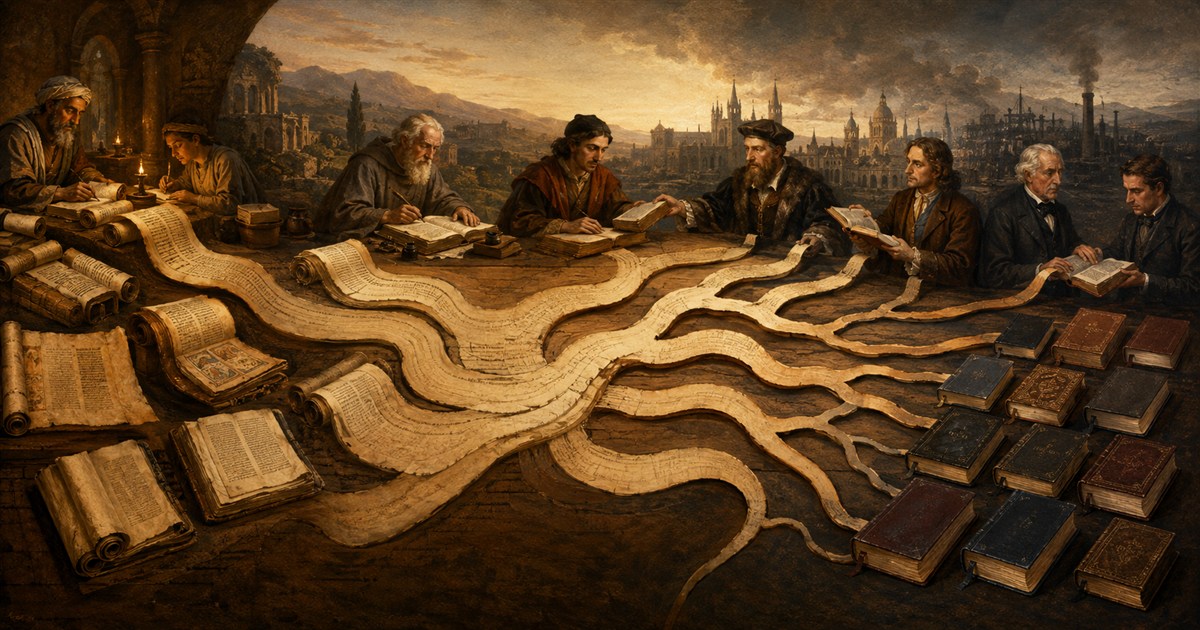 Translation Family Tree
See which English Bibles revised earlier editions, which began as new projects, and which were shaped by other texts.
Explore ›
 Versions by Denomination
Documented translation policies and practices in selected Christian and Jewish communities, with sources and limits explained.
Explore ›
 How Hard Is the Bible to Read?
Reading level for every book and chapter in six English translations, and what a grade level can and cannot tell you.
Explore ›
People of the Bible
Who the Bible names, how often each is named, who is heard speaking, the first and last words each one says, and how much of its speech is women's.
 Who Is Mentioned Most in the Bible?
The people named in the most verses, the most named women, and who leads each book.
Explore ›
 Biblical Characters by the Numbers
2,996 named people: how many are women, how many appear only once, and the most common names.
Explore ›
 Famous but Silent
The Bible's most-named people, how often they are heard speaking, and the famous figures who never say a word.
Explore ›
 First and Last Words in the Bible
The first and last words the Bible records for 107 of its best-known people, from Adam's first words to Jesus's last.
Explore ›
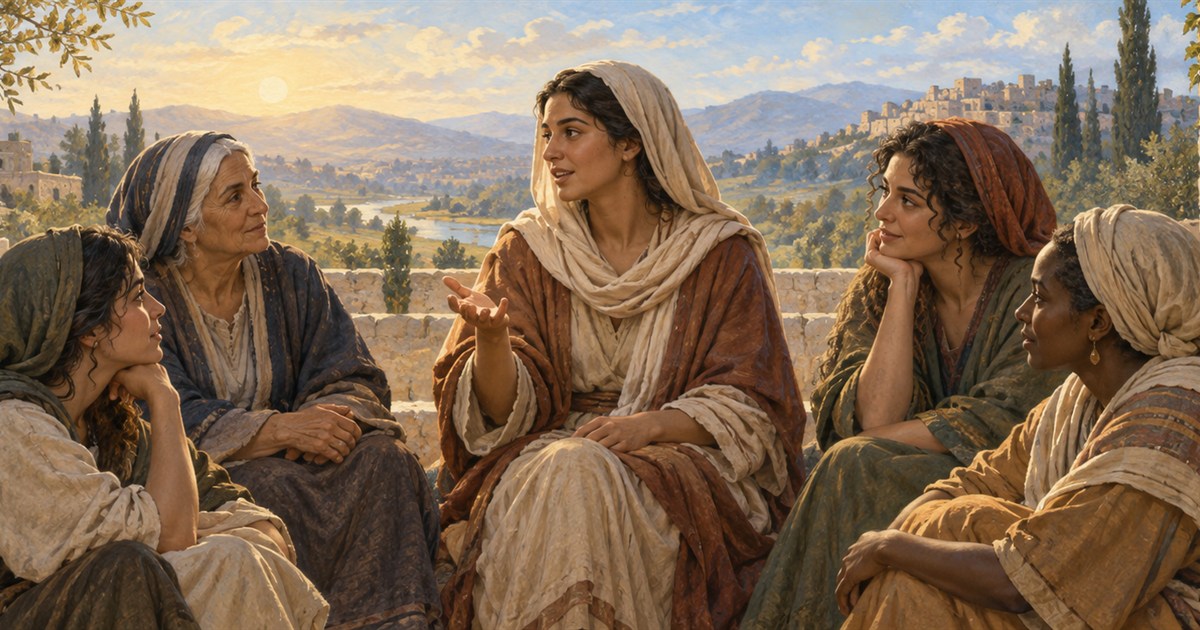 Women's Voices in the Bible
86 women heard speaking, in 3.4% of the Bible's verses with speech: who speaks most, the women whose names are not given, and their first and last words.
Explore ›
Questions, prayers and commands
Explore questions and commands attributed to God, Jesus and the Holy Spirit, the questions people ask them, and prayers whose words the Bible records.
 Questions God Asks
Every question God asks in the Bible, from "Where are you?" to "Will a man rob God?", and who each was asked of.
Explore ›
 Questions Jesus Asks
Every question Jesus asks in the Gospels, who he asked, and the same question told more than once.
Explore ›
 Questions God and Jesus Ask, Compared
How often each asks, how the questions begin, who they are put to, and where they echo each other.
Explore ›
 Questions People Ask God
Every question people put to God in the Bible, who asked them, and how they begin.
Explore ›
 Questions People Ask Jesus
Every question people put to Jesus, who asked them, and how he replies.
Explore ›
 Questions People Ask God and Jesus, Compared
How the questions begin, who asks them, whom they are about, and where they echo each other.
Explore ›
 Commands in the Bible
A verse-by-verse study of commands attributed to God, Jesus and the Holy Spirit, with its definitions and limits explained.
Explore ›
 Prayers in the Bible
Every prayer whose words the Bible gives, who prays them, the longest, and the psalms that speak to God.
Explore ›
 Asked of God: Answered and Unanswered Prayers
197 requests people make of God in the Bible, what the text says came of them, and how long they waited where it says.
Explore ›
Traditions and communities
The churches and movements that read the Bible, the holidays they keep, how Judaism, Christianity and Islam compare, and religious affiliation around the world.
 Traditions Timeline
Explore selected Christian churches and Jewish movements, with ancient context and sources for their histories.
Explore ›
 Communities in Depth
Introductions to the histories, beliefs, worship and Scripture of Christian traditions and Jewish movements.
Read ›
 Holidays in the Bible
Every Jewish, Christian and Islamic holiday connected to the Bible: the passage that commands, tells or names it, who keeps it, and where the rest of the day comes from.
Explore ›
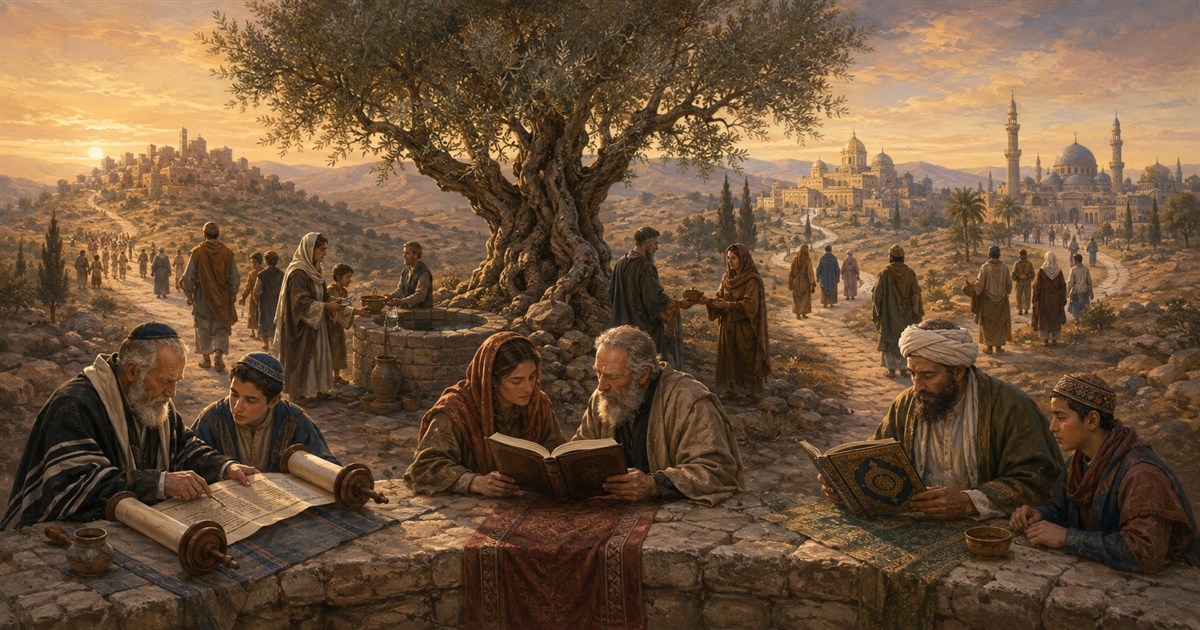 Judaism, Christianity & Islam
Judaism, Christianity and Islam compared through shared roots, distinct scriptures, Jesus, religious law, ethics, and the afterlife.
Explore ›
 Religious Demographics
Dated estimates of religious affiliation, change from 2010 to 2020, and regional patterns, with each source's counting method explained.
Explore ›
Frequently asked
What is the Bible Research Hub?
A single starting point for BibleVerse reference and research guides: the books of the Bible, its statistics and a map of its chapters by meaning; translations and how hard each is to read; the people the Bible names; its questions, prayers and commands; denominations and holidays; religious demographics; and a sourced comparison of Judaism, Christianity and Islam. Each guide documents its scope and sources.
Is this hub finished?
No. It will grow as new sections are researched and published. Each guide appears here once its research and sources are complete.
Where do the numbers and historical claims come from?
Each guide cites its own sources on its own page, from scriptural texts, scholarly datasets and institutional documents to demographic research and data measured directly from Bible editions. Check the sources and scope on each guide before citing a claim elsewhere.