The short summary
What is 1 Chronicles about?
1 Chronicles traces Israel’s ancestry through extensive genealogies before focusing on David’s reign. It recounts his establishment in Jerusalem, the bringing of the ark, and God’s promise concerning his descendants. Much of the later book describes David’s preparations for the temple and the organization of its service. It ends with Solomon’s accession and David’s death.
1 Chronicles 1:1–4; 1 Chronicles 9:1–3; 1 Chronicles 11:1–9; 1 Chronicles 15:25–29; 1 Chronicles 17:7–14; 1 Chronicles 22:1–19; 1 Chronicles 29:22–30.01 / Understand the whole
The book in context
The opening genealogies connect Israel with the wider human family, beginning with Adam and moving through ancestral and tribal lines. They include Judah, David’s descendants, Levi, and other tribes, as well as a notice about exile and resettlement. These lists establish relationships and roles before the narrative turns to Saul’s death and David’s kingship. 1 Chronicles 1:1–4; 1 Chronicles 2:1–15; 1 Chronicles 3:1–24; 1 Chronicles 6:1–53; 1 Chronicles 9:1–3; 1 Chronicles 10:1–14.
David becomes king over all Israel and captures Jerusalem. The account names warriors and supporters who gather around him. After an initial disaster while transporting the ark, David arranges for the Levites to carry it and establishes thanksgiving and service before it. Nathan then delivers God’s promise concerning David’s house and a son who will build the sanctuary. Military campaigns and the census crisis follow. 1 Chronicles 11:1–10; 1 Chronicles 12:38–40; 1 Chronicles 13:1–14; 1 Chronicles 15:11–15; 1 Chronicles 16:1–6; 1 Chronicles 17:7–14; 1 Chronicles 18:1–13; 1 Chronicles 21:1–17.
The closing movement concentrates on preparation for the temple. David identifies the site, gathers materials, charges Solomon with building, and organizes Levites, priests, singers, gatekeepers, and other officials. He gives Solomon plans and calls the assembly to support the work. Gifts and a prayer of thanksgiving lead into Solomon’s public recognition as king. A final notice records David’s death and names records concerning his reign. 1 Chronicles 21:18–30; 1 Chronicles 22:1–19; 1 Chronicles 23:1–6; 1 Chronicles 24:1–19; 1 Chronicles 25:1–8; 1 Chronicles 26:1–19; 1 Chronicles 28:9–21; 1 Chronicles 29:1–20; 1 Chronicles 29:22–30.
02 / Follow the structure
A reading outline
A chapter-level reading guide; some literary movements cross these boundaries. Each link opens the section’s first chapter.
- 1–9Ancestry and communityGenealogies place Israel’s tribes, David’s family, and temple servants within a wider history.
- 10–12From Saul to DavidSaul’s death is followed by David’s kingship and the gathering of his supporters.
- 13–16The ark and worship in JerusalemAn unsuccessful transfer is followed by the ark’s arrival and organized thanksgiving.
- 17–21Promise, victories, and the censusThe promise to David stands alongside campaigns and a crisis ending at a threshing floor.
- 22–27Preparing the temple and its serviceMaterials, personnel, and administrative arrangements prepare for Solomon’s work.
- 28–29David’s charge and Solomon’s accessionPlans, offerings, prayer, and succession bring David’s reign to its close.
03 / Notice the connections
Major themes
Belonging across generations
The genealogies connect families, tribes, and service roles. The notice of exile and resettlement places these remembered relationships within the community’s continuing story. 1 Chronicles 2:1–2; 1 Chronicles 6:48–49; 1 Chronicles 9:1–3.
Worship as shared work
The temple preparations involve skilled workers, organized service, leaders, and voluntary gifts. Worship is presented as a responsibility extending beyond the king. 1 Chronicles 22:14–19; 1 Chronicles 25:1–8; 1 Chronicles 29:6–9.
Gifts and dependence on God
David’s prayer credits God with the resources the people offer. His charge to Solomon joins the building task with wholehearted service. 1 Chronicles 28:9–10; 1 Chronicles 29:10–19.
04 / Background
Background at a glance
- Literary form
- Genealogies and royal narrative
- Setting in the text
- Israel’s ancestry and David’s reign, viewed retrospectively
More about the background
The USCCB introduction calls the anonymous author the Chronicler and emphasizes the work’s distinctive interest in David’s line and Jerusalem’s worship. It treats Chronicles as more than a supplement to Samuel and Kings. This overview follows that distinction without identifying the author by name or assigning a precise composition date. [1]
The text itself looks back on exile and resettlement and names records associated with Samuel, Nathan, and Gad. These references help readers recognize its retrospective presentation and stated use of earlier material; they do not establish that any one of those figures wrote the complete book. 1 Chronicles 9:1–3; 1 Chronicles 29:29–30.
05 / Return to the text
Passages to explore
Passage links open the Berean Standard Bible. These selections offer starting points for exploring the book.
The promise concerning David’s house
Notice the distinction between David’s dynasty and the house his son will build for God.
1 Chronicles 17:7–14 MemorizeA charge to Solomon
Read the call to serve God alongside the plans and practical support for building.
1 Chronicles 28:9–21 MemorizeDavid’s prayer over the gifts
Follow the prayer’s movement from praise to dependence and a request for faithful hearts.
1 Chronicles 29:10–19 MemorizeDoes David build the temple in 1 Chronicles?
No. David gathers materials, organizes service, and gives Solomon plans, but identifies Solomon as the one who will build. The narrative presents David’s preparation as extensive while keeping the building commission with his son. 1 Chronicles 22:6–10; 1 Chronicles 28:9–12.
Read 1 Chronicles
Sources and reading notes
The summaries describe the biblical text; passage references let you check them in context. Historical and authorship notes are attributed separately. The outlines and passage selections are editorial reading aids.
- United States Conference of Catholic Bishops. The First Book of Chronicles. New American Bible introduction; Opening discussion of scope; paragraphs on the anonymous Chronicler and the importance of David and temple worship. Catholic reference perspective. Accessed September 11, 2026. ↩
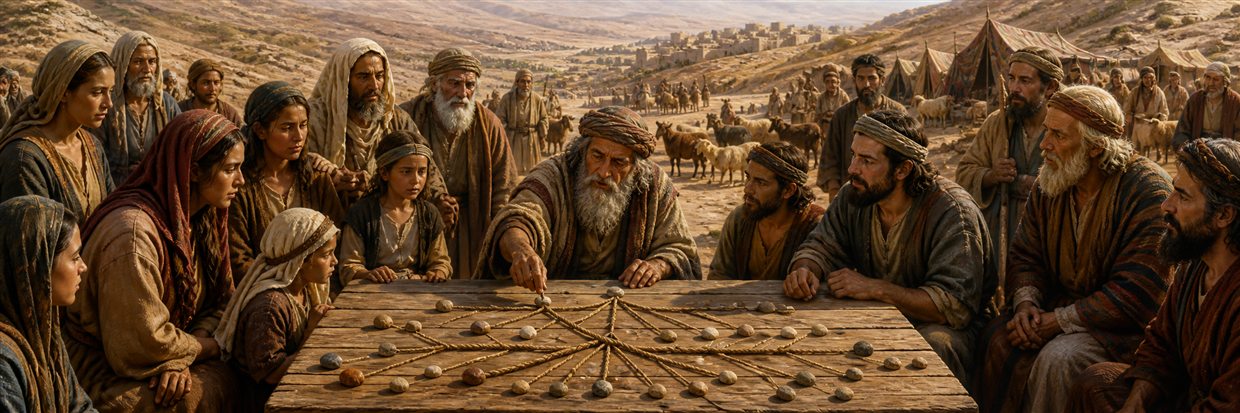
Prepared for BibleVerse · September 11, 2026. An initial editorial edition; independent specialist review is pending. Biblical references use the Berean Standard Bible. The illustration is interpretive artwork.