

Jeremiah
Jeremiah has 52 chapters. Read Jeremiah in the New Living Translation, chapter by chapter, free and without an account.
Jeremiah follows a prophet called to confront Judah’s unfaithfulness during the kingdom’s final years. Warnings of judgment, conflict with rulers and rival prophets, and personal laments accompany the approach of Babylonian conquest. Letters and promises address life in exile and future restoration, including a new covenant. The book also recounts Jerusalem’s fall and the remnant’s flight to Egypt.
In Christian Bibles, Jeremiah is one of the Major Prophets of the Old Testament. In the Jewish Tanakh it belongs to the Nevi’im, the Prophets. See it on the shelf.
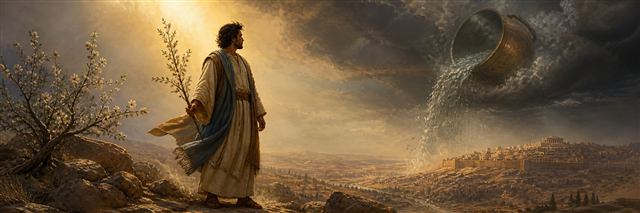
Jeremiah 1: God calls and strengthens Jeremiah, confirming his mission through an almond branch and a boiling pot.
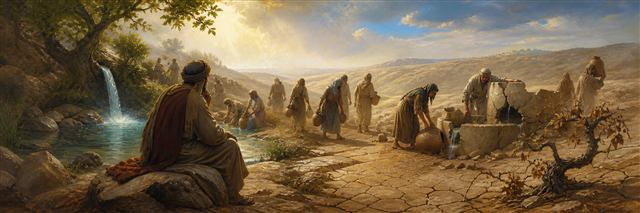
Jeremiah 2: Judah forsakes the fountain of living water for broken cisterns, idols, and unreliable alliances.
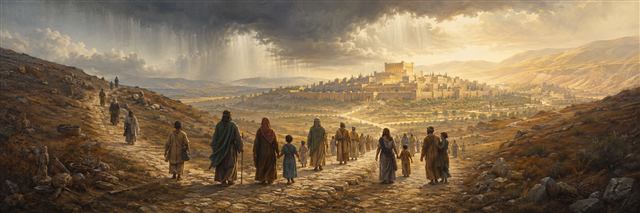
Jeremiah 3: God invites faithless Israel and Judah to confess, return, receive healing, and reunite in Zion.
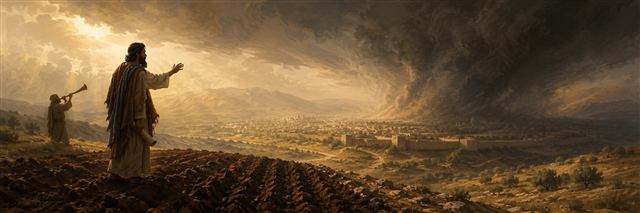
Jeremiah 4: Judah is urged to repent as northern invasion approaches and the prophet laments coming devastation.
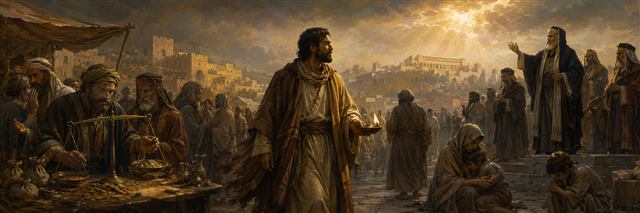
Jeremiah 5: Jerusalem's pervasive deceit, injustice, and refusal of correction bring an invading nation near.
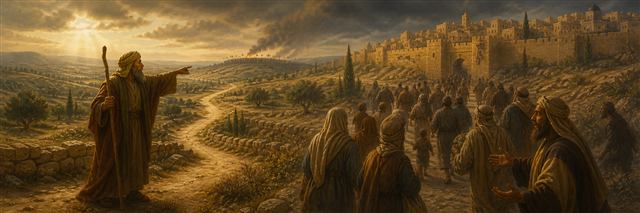
Jeremiah 6: siege approaches as Jerusalem rejects God's word, the ancient good path, and warnings against false peace.
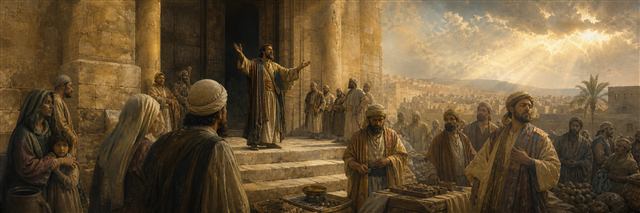
Jeremiah 7: the temple sermon rejects ritual confidence without justice, obedience, and repentance.
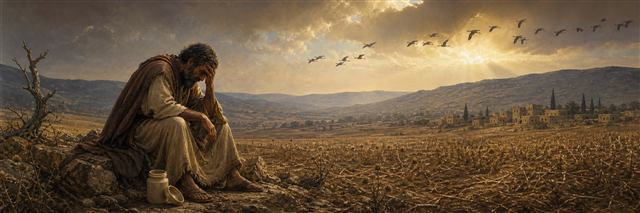
Jeremiah 8: stubborn refusal, deceptive teaching, and false peace leave Judah wounded and Jeremiah grieving.
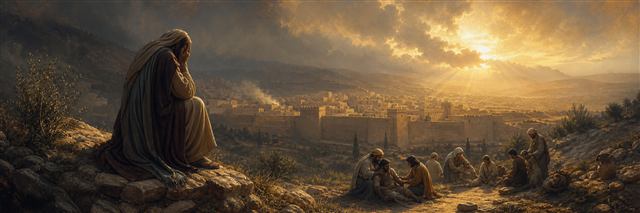
Jeremiah 9: the prophet mourns pervasive deceit and teaches that true boasting is knowing God's love and justice.
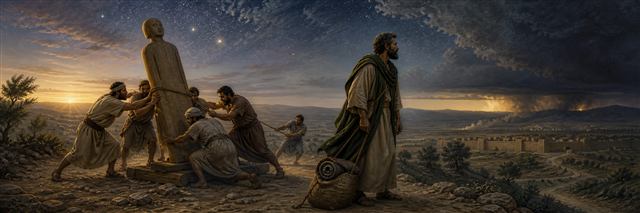
Jeremiah 10: powerless handmade idols are contrasted with the living Creator as invasion and exile approach.
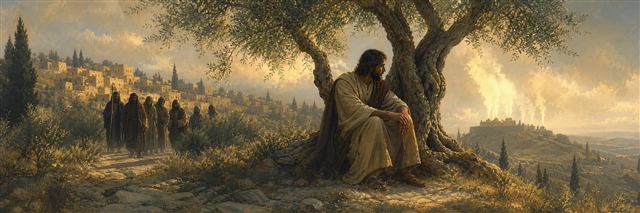
Jeremiah 11: covenant betrayal brings judgment while Jeremiah discovers a deadly plot among the people of Anathoth.
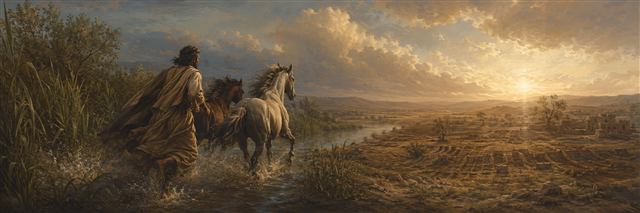
Jeremiah 12: the prophet questions wicked prosperity and is called to endurance amid judgment and promised compassion.
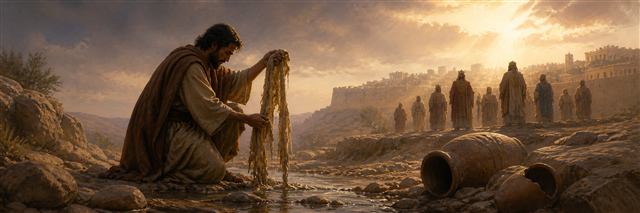
Jeremiah 13: a ruined linen belt exposes Judah's destructive pride and warns of humiliation and exile.
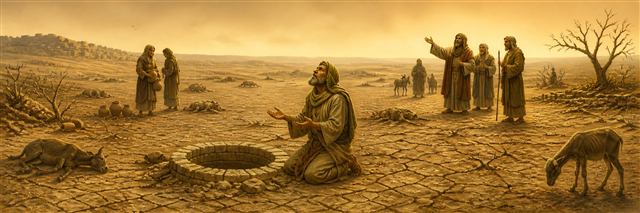
Jeremiah 14: drought devastates Judah as false prophets promise peace and Jeremiah intercedes for the people.
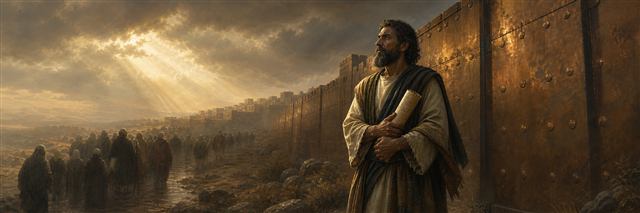
Jeremiah 15: unavoidable judgment and personal anguish lead to Jeremiah's renewed commission and promised strength.
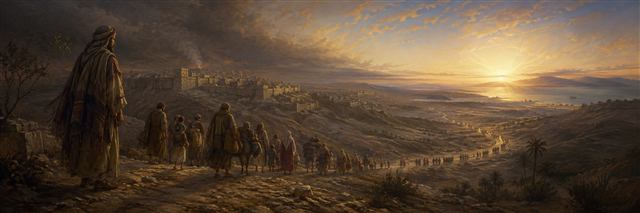
Jeremiah 16: the prophet's solitary life warns of exile while God promises a future gathering from many lands.
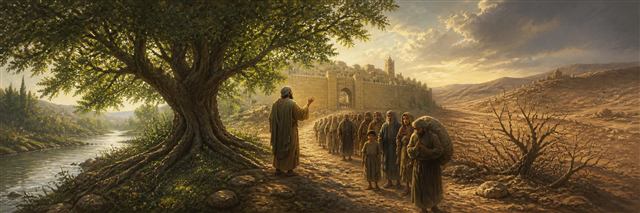
Jeremiah 17: trust in God is like a tree by water, while engraved sin and Sabbath disregard threaten Judah.
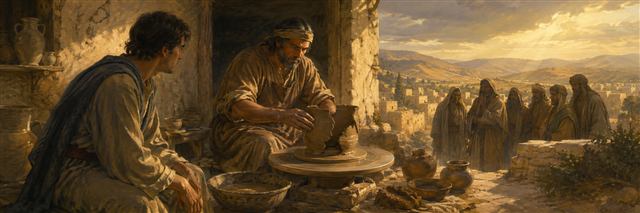
Jeremiah 18: the potter reshapes clay as God calls Judah to turn, but the people reject the warning and plot.
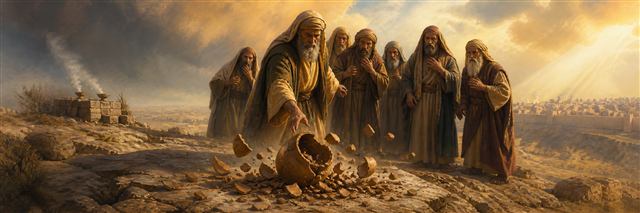
Jeremiah 19: a shattered jar in the Valley of Hinnom signifies judgment for idolatry and innocent bloodshed.
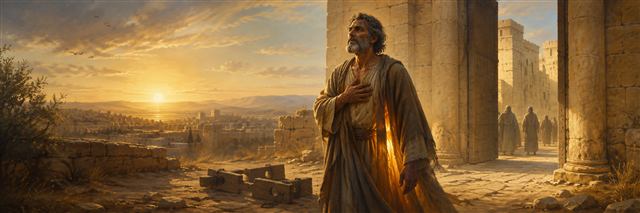
Jeremiah 20: after beating and confinement, Jeremiah laments his calling yet cannot silence the word within him.
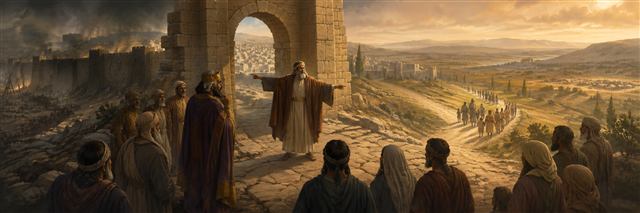
Jeremiah 21: Jerusalem will fall, surrender offers life, and Judah's royal house is commanded to practice justice.
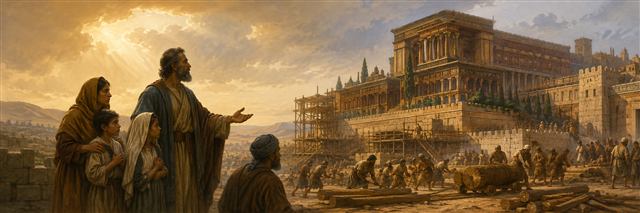
Jeremiah 22: Judah's kings are measured by justice, while exploitation and self-serving luxury lead to disgrace.
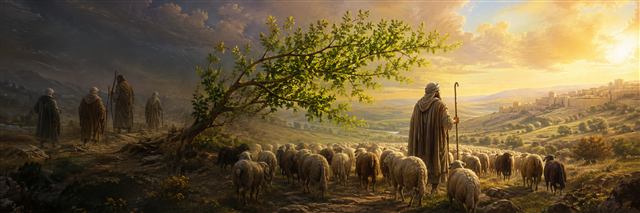
Jeremiah 23: corrupt shepherds and false prophets are judged as a righteous Branch gathers and rules the flock.
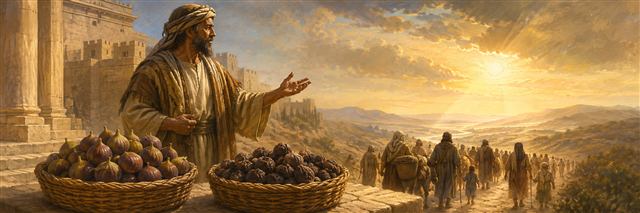
Jeremiah 24: two baskets of figs portray restoration for receptive exiles and judgment for hardened survivors.
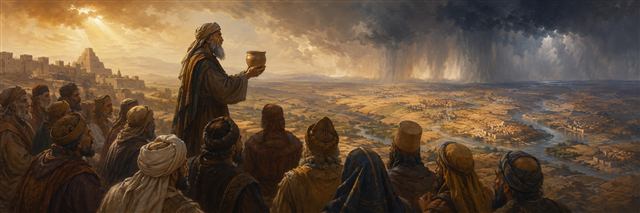
Jeremiah 25: ignored warnings bring seventy years of Babylonian rule and a cup of judgment for many nations.
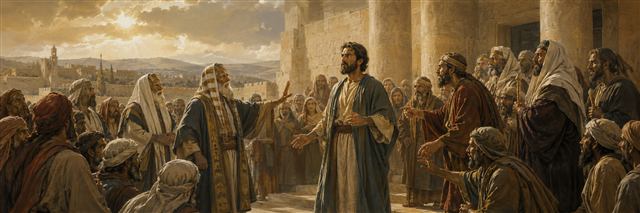
Jeremiah 26: a temple warning leads to a death threat, public defense, remembered precedent, and Jeremiah's protection.
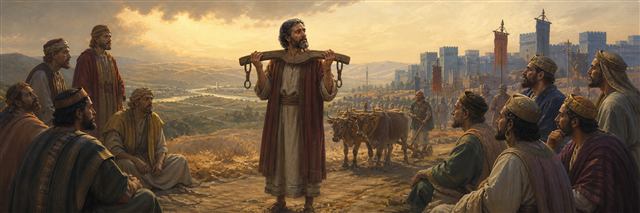
Jeremiah 27: the prophet's wooden yoke warns Judah and neighboring nations to submit to Babylon and reject deception.
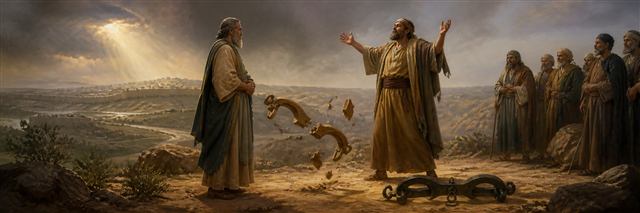
Jeremiah 28: Hananiah breaks the wooden yoke, but Jeremiah exposes his false promise and announces an iron yoke.
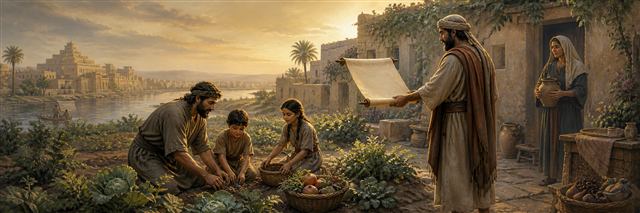
Jeremiah 29: exiles are told to build, plant, seek Babylon's peace, and trust God's promised restoration.
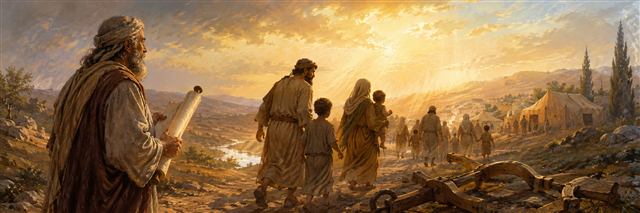
Jeremiah 30: God promises return from captivity, a broken yoke, healing, rebuilding, and restored leadership.
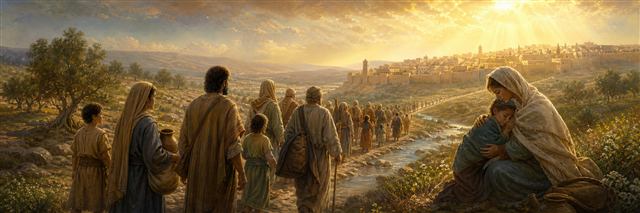
Jeremiah 31: scattered Israel returns with joy, Rachel receives hope, and a new covenant is written on the heart.
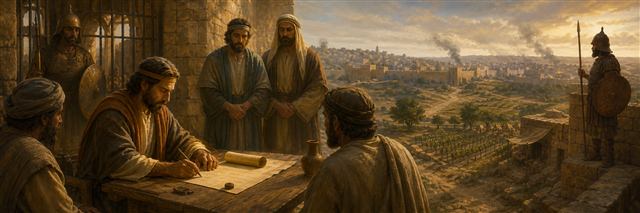
Jeremiah 32: during Jerusalem's siege, Jeremiah buys a field as a sign that property and community will be restored.
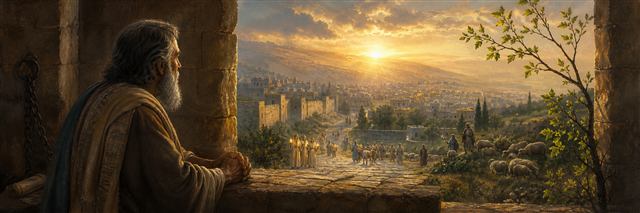
Jeremiah 33: devastated Jerusalem is promised healing, joy, shepherds, worship, and a righteous Davidic Branch.
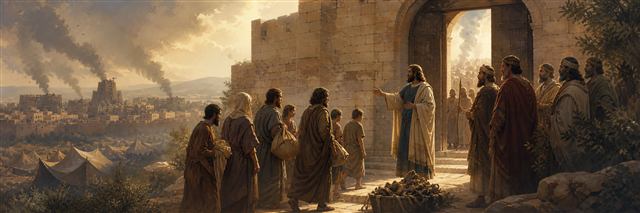
Jeremiah 34: Jerusalem's leaders free Hebrew servants, then enslave them again and violate their covenant.
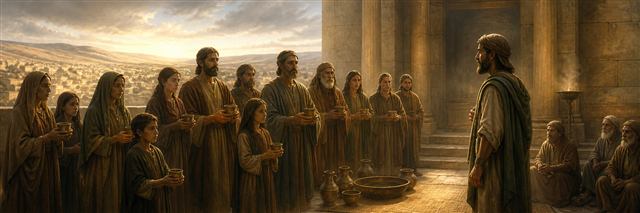
Jeremiah 35: the Rechabites faithfully refuse wine, contrasting their obedience with Judah's persistent refusal.

Jeremiah 36: Jehoiakim burns Jeremiah's scroll, but Baruch records the prophetic words again with added warnings.
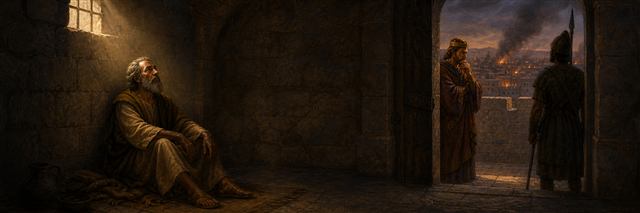
Jeremiah 37: temporary military relief ends, Jeremiah is imprisoned, and Zedekiah secretly seeks his counsel.
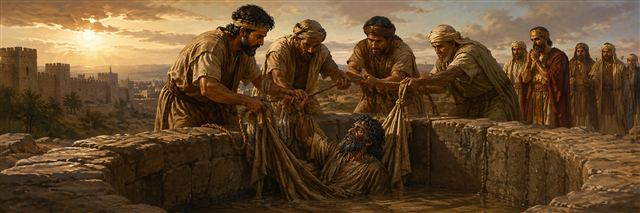
Jeremiah 38: Ebed-melech courageously rescues Jeremiah from a muddy cistern before the prophet counsels Zedekiah.
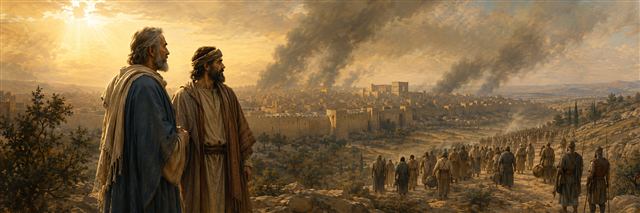
Jeremiah 39: Jerusalem falls to Babylon, while Jeremiah is released and Ebed-melech receives promised protection.
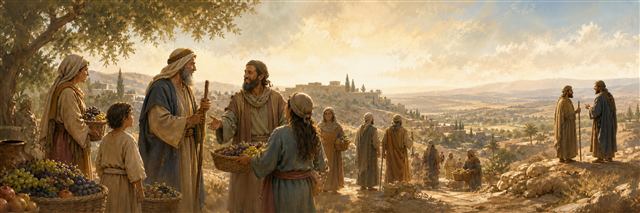
Jeremiah 40: Jeremiah joins Gedaliah at Mizpah as the remnant regathers, harvests, and faces a concealed threat.
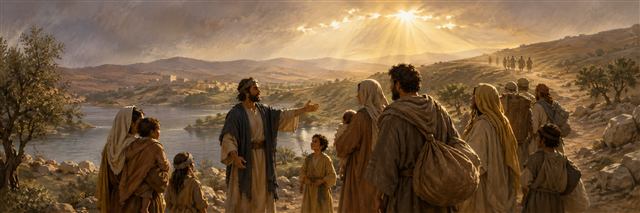
Jeremiah 41: after Gedaliah's murder, Johanan rescues captives and the fearful remnant gathers near Bethlehem.
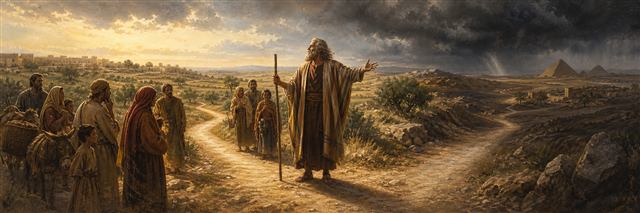
Jeremiah 42: the remnant promises obedience, but God's answer directs them to remain in Judah rather than flee to Egypt.
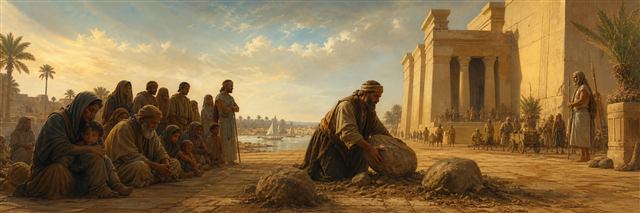
Jeremiah 43: leaders force the remnant into Egypt, where buried stones signify Babylon's approaching rule.
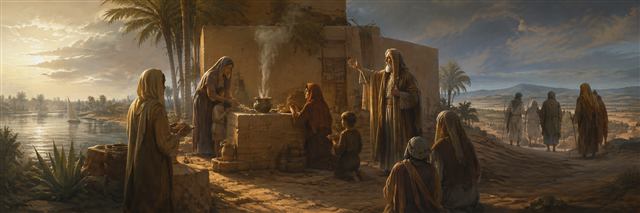
Jeremiah 44: Judeans in Egypt defend persistent idolatry despite Jeremiah's warning and Jerusalem's example.
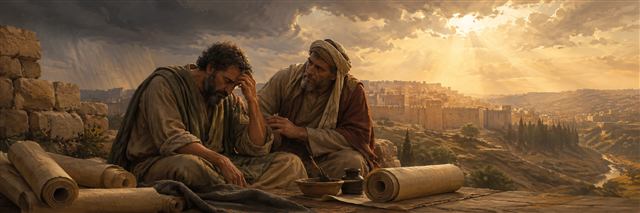
Jeremiah 45: weary Baruch is told not to seek greatness and is promised his life amid national upheaval.
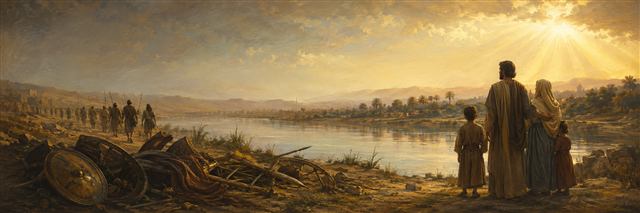
Jeremiah 46: Egypt's armies face defeat at Carchemish, while Jacob receives hope beyond necessary discipline.
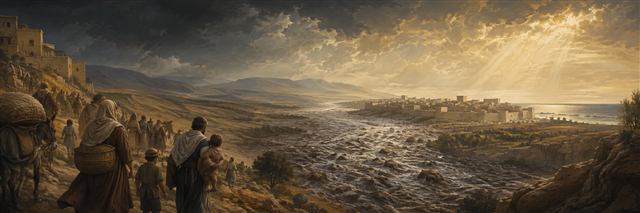
Jeremiah 47: judgment from the north rises like a flood against Gaza, Ashkelon, and the Philistine coast.
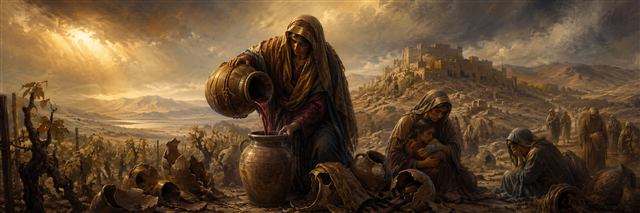
Jeremiah 48: Moab's pride and complacency are poured out like settled wine, followed by a promise of restoration.
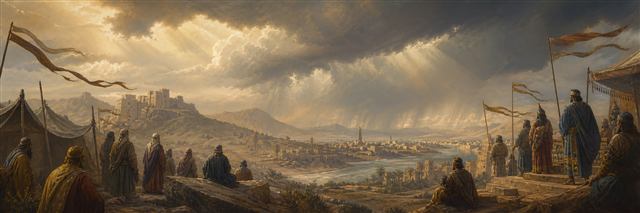
Jeremiah 49: six nations face judgment that humbles ambition, wisdom, fortresses, and power, with glimpses of restoration.
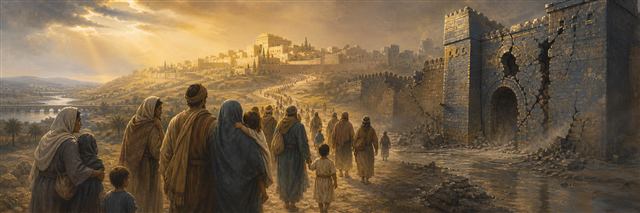
Jeremiah 50: Babylon falls while Israel and Judah return together toward Zion, covenant renewal, and forgiveness.
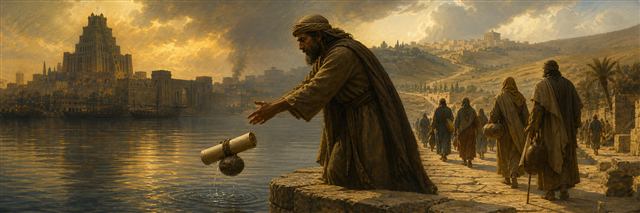
Jeremiah 51: Babylon will sink for its violence as the exiles flee and Seraiah casts a scroll into the Euphrates.
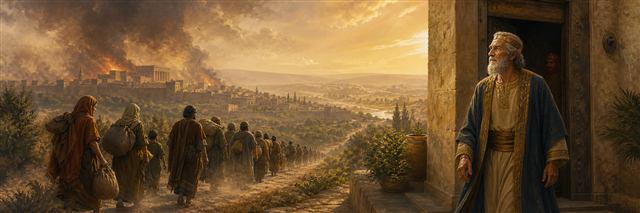
Jeremiah 52: Jerusalem falls and its people are exiled, but Jehoiachin's later release offers a final note of hope.