

Wisdom of Solomon
Wisdom of Solomon has 19 chapters. Read Wisdom of Solomon in the King James Version + Apocrypha, chapter by chapter, free and without an account.
Wisdom of Solomon urges its readers to seek righteousness and divine wisdom. It contrasts the apparent success of the wicked with the lasting hope of the righteous, praises wisdom as God’s gift, and offers a prayer for wise rule. Its later chapters reflect on Israel’s deliverance from Egypt, God’s mercy, and the folly of idolatry.
In Catholic and Orthodox Bibles, Wisdom of Solomon is among the Wisdom Books of the Old Testament, one of the deuterocanonical books. Protestant Bibles place it in the Apocrypha or leave it out, and it is not part of the Jewish Tanakh. See it on the shelf.
Wisdom 1 calls rulers to righteousness, warns against deceit, and teaches that God made creation for life rather than death.
Wisdom 2 exposes the reasoning of the ungodly, their persecution of the righteous, and their blindness to humanity's divine purpose.
Wisdom 3 contrasts the peaceful hope and lasting reward of the righteous with the barren outcome of faithlessness.
Wisdom 4 teaches that virtue outweighs lineage or longevity and that wisdom, not age alone, marks a mature life.
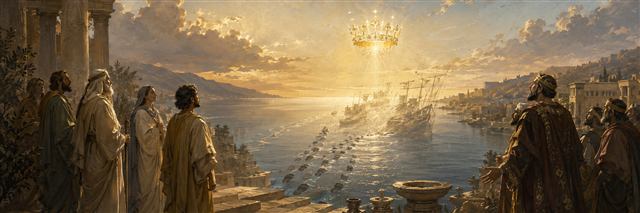
Wisdom 5 portrays the vindication of the righteous and the remorse of the proud when wealth and arrogance prove fleeting.
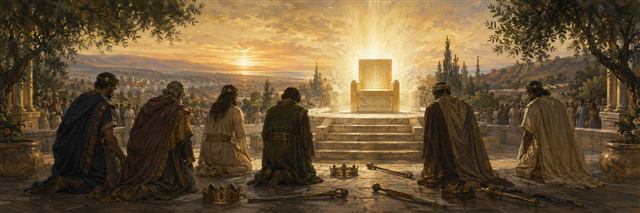
Wisdom 6 warns rulers of divine accountability and urges them to seek the wisdom that enables just and enduring government.

Wisdom 7 presents Solomon's prayer for wisdom and his praise of her surpassing worth, purity, and knowledge of creation.
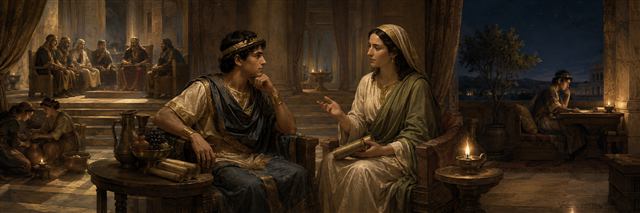
Wisdom 8 celebrates Wisdom as companion, counselor, teacher of virtue, and divine gift essential to worthy leadership.
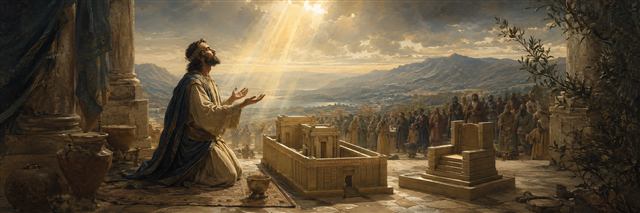
Wisdom 9 records Solomon's prayer for heavenly wisdom to govern justly and discern God's will amid human limitation.
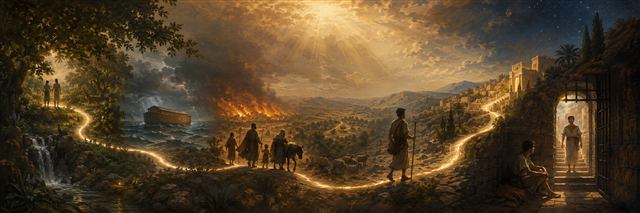
Wisdom 10 traces divine Wisdom through Adam, Noah, Abraham's era, Jacob, Joseph, and the preservation of the righteous.
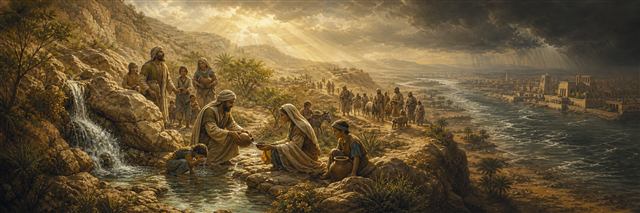
Wisdom 11 contrasts Israel's water in the wilderness with Egypt's judgment and praises God's measured, merciful correction.
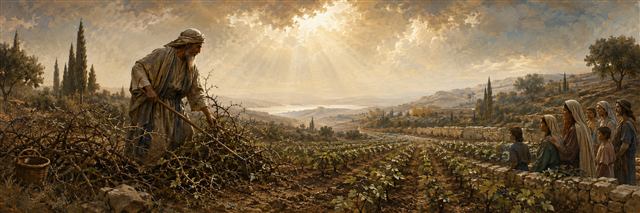
Wisdom 12 reflects on gradual judgment, opportunity for repentance, and the lesson that God's people should judge with mercy.
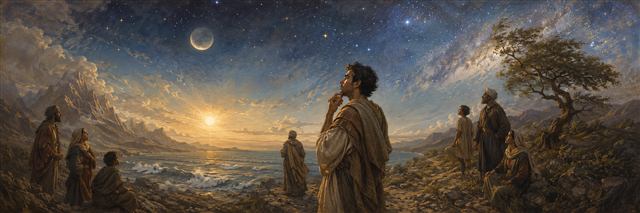
Wisdom 13 argues that the beauty and power of creation should lead human reason beyond nature to its Creator.
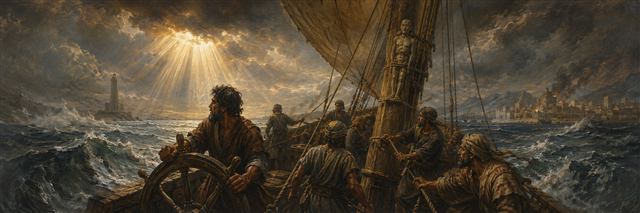
Wisdom 14 contrasts useful human craft with idolatry and traces how false worship spreads deception and moral disorder.
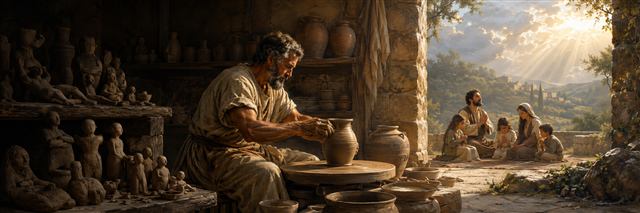
Wisdom 15 praises knowledge of the living God and exposes the folly of potters and nations that worship lifeless things.
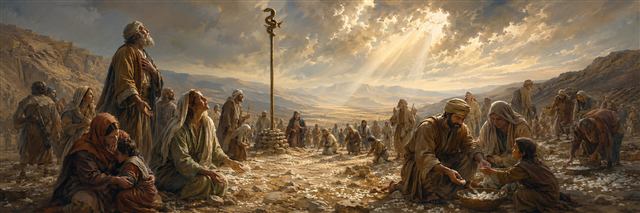
Wisdom 16 contrasts Egypt's plagues with Israel's healing and manna, emphasizing that God's word sustains and saves.
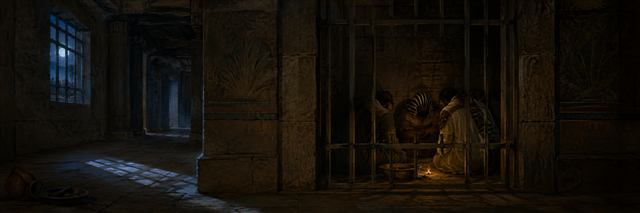
Wisdom 17 depicts Egypt's oppressive darkness as an inward terror intensified by guilt, fear, and a troubled conscience.
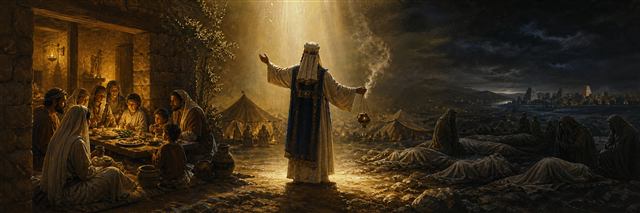
Wisdom 18 joins Israel's Passover light and deliverance with Egypt's midnight judgment and Aaron's saving intercession.
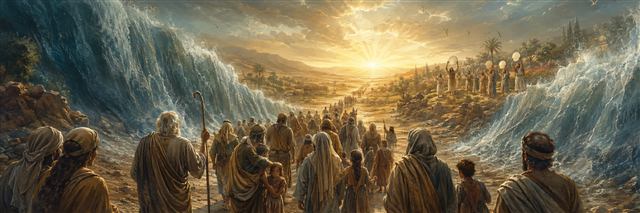
Wisdom 19 recalls the exodus as creation reordered for deliverance, judgment, provision, and the people's final praise.