

Sirach
Sirach has 51 chapters. Read Sirach in the King James Version + Apocrypha, chapter by chapter, free and without an account.
Sirach offers wisdom for daily life grounded in reverence for God and fidelity to the law. Its teachings address speech, friendship, family responsibilities, wealth, work, and worship. Poems praise wisdom and creation, while a long remembrance of Israel’s ancestors leads to praise of the high priest Simon. The book closes with thanksgiving and an invitation to learn.
In Catholic and Orthodox Bibles, Sirach is among the Wisdom Books of the Old Testament, one of the deuterocanonical books. Protestant Bibles place it in the Apocrypha or leave it out, and it is not part of the Jewish Tanakh. See it on the shelf.

Sirach 1 presents wisdom as God's gift and teaches that reverence, patience, humility, and obedience allow it to flourish.

Sirach 2 calls those who serve God to endure testing patiently, trust divine mercy, and remain faithful through adversity.

Sirach 3 connects honoring aging parents with humility, restrained inquiry, attentive wisdom, and generosity toward others.

Sirach 4 urges care for the poor, impartial defense of the oppressed, teachability under wisdom, and courage to speak truth.

Sirach 5 warns against trusting wealth or delaying repentance and commends sincere listening, steady speech, and integrity.

Sirach 6 praises tested friendship as a treasure and portrays disciplined pursuit of wisdom as a path from burden to joy.
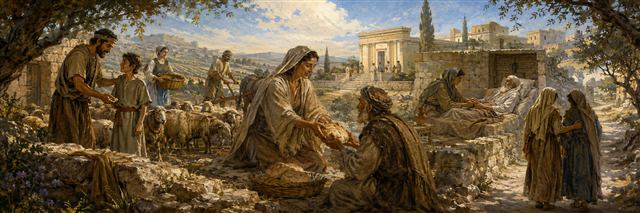
Sirach 7 gathers practical counsel on humility, work, family duties, worship, generosity, illness, mourning, and mortality.

Sirach 8 teaches prudent boundaries in conflict, lending, law, travel, counsel, and relationships with powerful or reckless people.

Sirach 9 counsels marital fidelity, restraint, loyalty to proven friends, wise company, caution around power, and responsible speech.
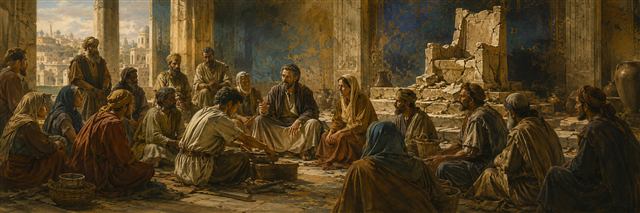
Sirach 10 contrasts prudent, humble leadership with destructive pride and teaches that reverence and honest work confer dignity.

Sirach 11 warns against judging by appearances or present fortune and commends listening, steady work, trust, and careful hospitality.
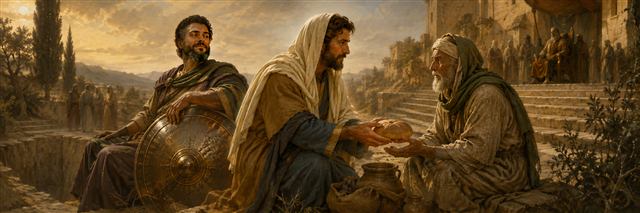
Sirach 12 joins generosity with discernment and warns that adversity reveals friends while flattering enemies may conceal harmful intent.

Sirach 13 warns how unequal relationships can expose the poor to manipulation and contrasts society's treatment of wealth and poverty.
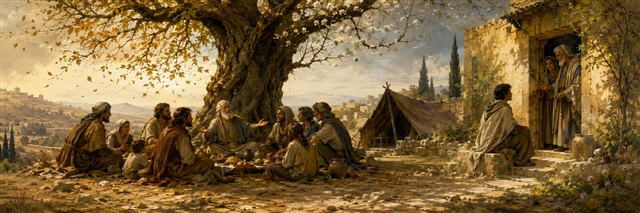
Sirach 14 contrasts envy and hoarding with generous enjoyment, remembrance of mortality, and persistent pursuit of wisdom.

Sirach 15 portrays Wisdom nourishing the faithful and insists that people freely choose between obedience and sin, life and death.

Sirach 16 places mercy and correction within God's ordered creation and values one righteous person above a multitude without wisdom.
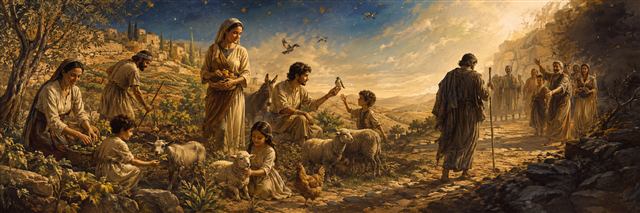
Sirach 17 celebrates humanity's created dignity and responsibility while emphasizing compassion, repentance, and thankful return to God.

Sirach 18 reflects on divine patience and teaches gracious giving, self-examination, timely repentance, prayer, and restraint.

Sirach 19 warns against excess and gossip, urges private correction before accusation, and distinguishes obedience from deceptive cleverness.

Sirach 20 examines timely speech, correction, confession, deceptive gifts, broken promises, lies, bribery, and wisdom responsibly shared.

Sirach 21 calls for repentance from destructive sin and contrasts receptive wisdom and good manners with foolish speech and intrusion.

Sirach 22 contrasts stubborn folly with stable counsel and teaches when wounded friendship can be reconciled or finally broken.

Sirach 23 prays for disciplined thoughts, appetites, and speech, and warns that hidden sexual betrayal cannot remain concealed.

Sirach 24 portrays Wisdom dwelling among Israel, flourishing like fragrant trees, and overflowing through covenant instruction.
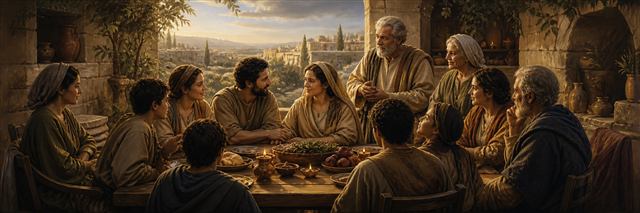
Sirach 25 praises harmony, experienced counsel, wisdom, reverence, and faithful marriage while lamenting destructive household conflict.

Sirach 26 praises faithful character and peaceful marriage while warning against jealousy, slander, exploitation, and corrupt trade.
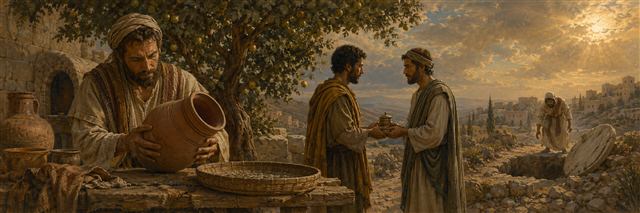
Sirach 27 teaches that speech reveals character and warns that betrayed confidence, deceit, malice, and revenge destroy friendship.

Sirach 28 calls for forgiveness and warns that anger, strife, gossip, and slander spread like destructive fire unless restrained.

Sirach 29 balances merciful lending and aid to the poor with faithful repayment, caution in guarantees, and contentment with a modest home.
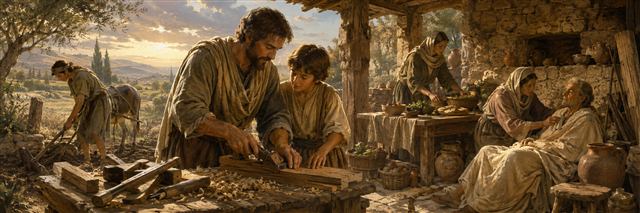
Sirach 30 joins ancient counsel on parental discipline with praise of health, wholesome care, joy, and freedom from consuming sorrow.

Sirach 31 warns against greed and anxiety while commending generous wealth, considerate eating, and moderation in wine.

Sirach 32 teaches humble hospitality, timely speech, attentive listening, reverence, and seeking counsel before acting.

Sirach 33 reflects on ordered times and responsible stewardship, ending with a call to treat a dependent worker as a brother.

Sirach 34 exposes empty dreams and divination, then condemns offerings taken from the poor and fasting that never changes conduct.
Sirach 35 presents obedience and generosity as true offerings and promises that God hears the orphan, the widow, and the humble.

Sirach 36 prays for mercy on Israel, the gathering of the tribes, and Zion's glory, then commends discernment and a good marriage.

Sirach 37 warns against false friends and self-interested advisers, commends tested counsel and prayer, and urges restraint at the table.

Sirach 38 honors physicians and medicine, sets limits to mourning, and praises the craftsmen whose daily work sustains the world.
Sirach 39 portrays the scribe's prayerful study and turns to praise for works that are good in their season and serve their purpose.

Sirach 40 weighs the heavy yoke of human toil against the things that are genuinely good, with reverence for the Lord above them all.

Sirach 41 contrasts a cursed name with an enduring good one and lists the things a person should rightly be ashamed of.

Sirach 42 lists what brings no shame, then turns to God's complete knowledge and the ordered creation that needs no addition.

Sirach 43 surveys sun, moon, stars, rainbow, snow, wind, and sea, then concludes that all praise still falls short of the Lord.

Sirach 44 begins the praise of the ancestors, remembered and forgotten alike, and opens the roll call with Enoch, Noah, and Abraham.

Sirach 45 honors Moses, the everlasting priesthood of Aaron, and the covenant of peace given to Phinehas for his zeal.

Sirach 46 praises Joshua and Caleb, the faithful judges, and Samuel, whose integrity and prophecy outlasted his own lifetime.
Sirach 47 recalls Nathan and David's songs and victories, then Solomon's temple, wisdom, compromise, and the divided kingdom.
Sirach 48 honors Elijah's fire, Elisha's double portion, Hezekiah's prayer against Sennacherib, and the visions of Isaiah.

Sirach 49 remembers Josiah's reform, the prophets, the rebuilders of Jerusalem, and closes with Joseph, Shem, Seth, and Adam.
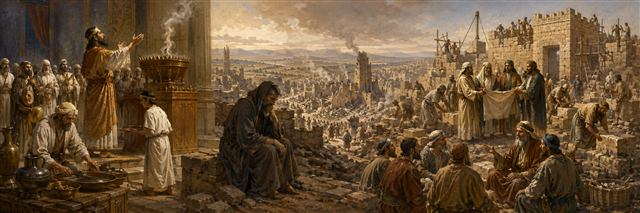
Sirach 50 celebrates Simon the high priest, his repairs to the temple, and the liturgy that ends in blessing over the people.
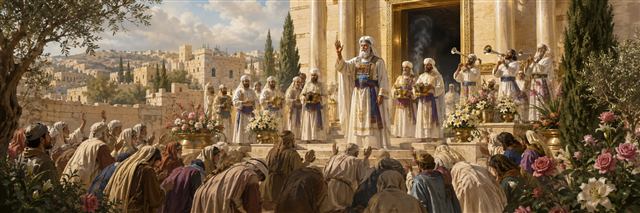
Sirach 51 closes with thanksgiving for rescue and an acrostic poem inviting the untaught to seek wisdom without money.