
Acts
Acts has 28 chapters. Read Acts in the Bible in Basic English, chapter by chapter, free and without an account.
Acts follows the spread of the message about Jesus after his resurrection and ascension. The Holy Spirit empowers witnesses, new communities form, and the mission reaches beyond Jerusalem to Samaritans and Gentiles. Peter and Paul become central figures amid opposition and internal disputes. The narrative ends with Paul in Rome, receiving visitors and teaching about Jesus.
Acts is the history of the early church, placed between the Gospels and the letters of the New Testament, the same 27 books in every Christian Bible. See it on the shelf.
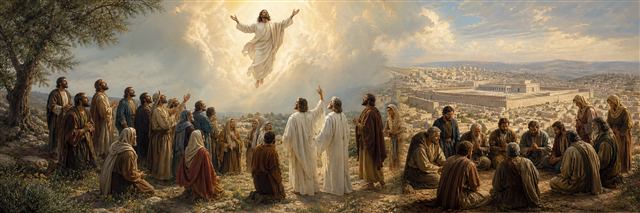
Acts 1 recounts Jesus’ ascension, the apostles’ commission, united prayer, and the choosing of Matthias.
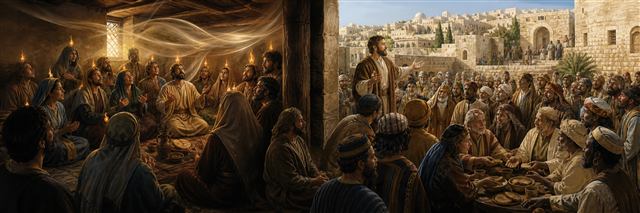
Acts 2 recounts Pentecost, Peter’s sermon, widespread response, and the shared life of the first believers.
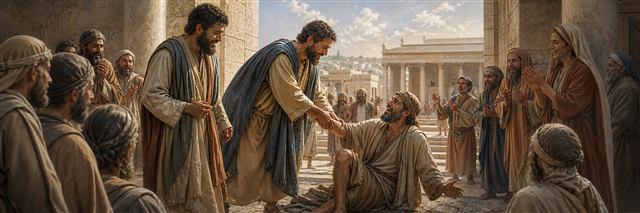
Acts 3 recounts healing at the Beautiful Gate and Peter’s call to turn toward Jesus and receive renewal.
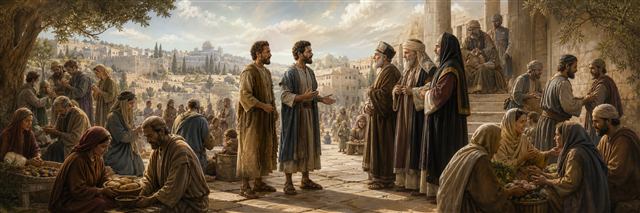
Acts 4 records Peter and John before the council, the believers’ prayer for boldness, and generous community life.
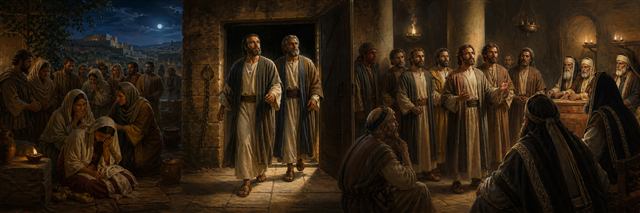
Acts 5 joins solemn accountability, apostolic healing, release from prison, and courageous testimony before the council.
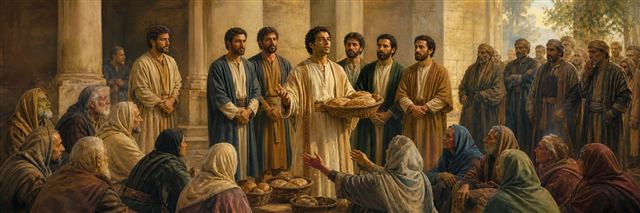
Acts 6 recounts the appointment of seven servants, fair care for widows, and opposition to Stephen’s wise witness.
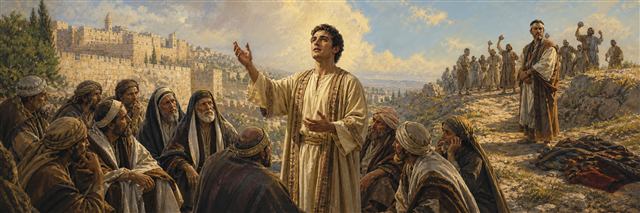
Acts 7 presents Stephen’s sweeping testimony, his challenge to the council, and his death as Saul looks on.
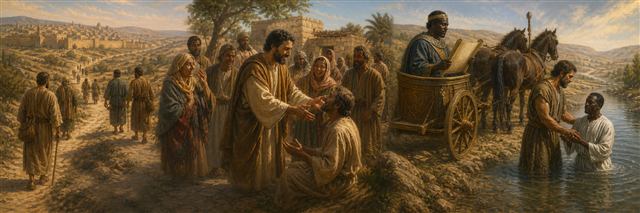
Acts 8 follows scattered believers, Philip’s ministry in Samaria, and his encounter with an Ethiopian official.
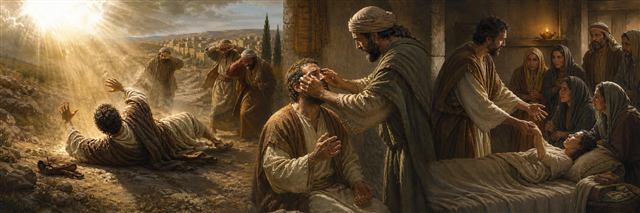
Acts 9 recounts Saul’s conversion and early witness, along with Peter’s ministry to Aeneas and Tabitha.
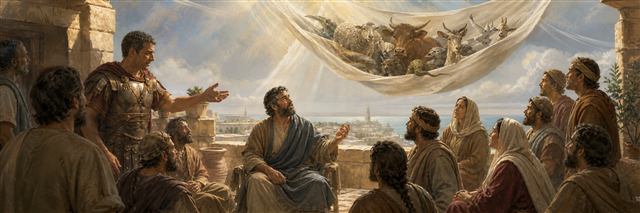
Acts 10 recounts Cornelius, Peter’s vision, the welcome of Gentiles, and baptism in a Caesarean household.
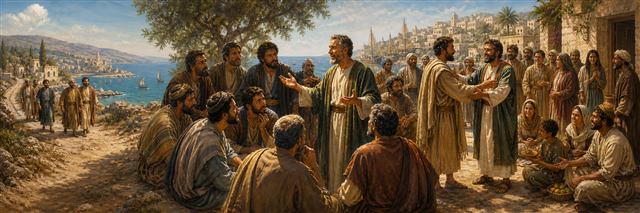
Acts 11 records Peter’s defense of Gentile inclusion and the growth of the diverse church in Antioch.
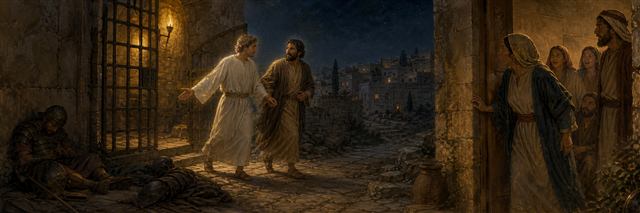
Acts 12 recounts James’s death, Peter’s imprisonment and deliverance, the praying church, and Herod’s downfall.
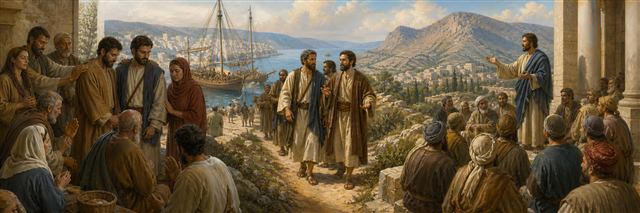
Acts 13 begins Paul and Barnabas’s mission through Cyprus and Pisidian Antioch amid response and opposition.
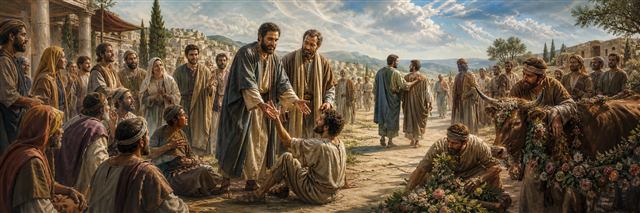
Acts 14 follows Paul and Barnabas through Iconium, Lystra, and Derbe as they heal, endure opposition, and strengthen churches.
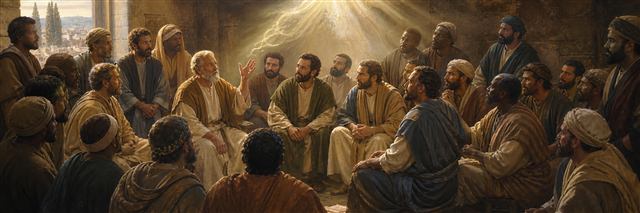
Acts 15 recounts the Jerusalem council’s decision about Gentile believers and the later separation of Paul and Barnabas.
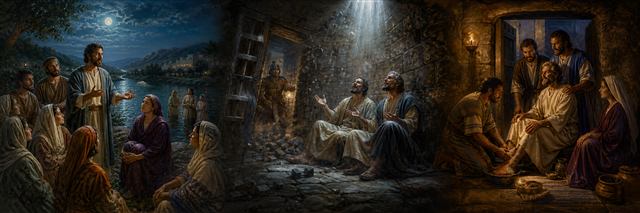
Acts 16 recounts Lydia’s conversion, Paul and Silas in prison, the earthquake, and the Philippian jailer’s response.
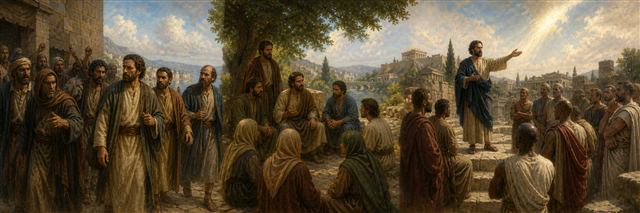
Acts 17 follows Paul through Thessalonica, Berea, and Athens, ending with his address at the Areopagus.
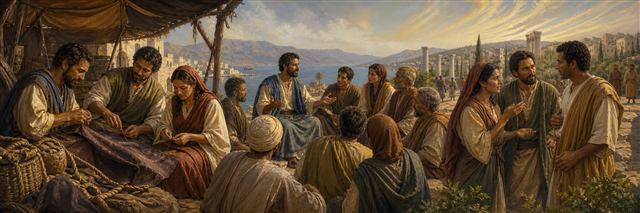
Acts 18 recounts Paul’s ministry in Corinth and the partnership of Aquila, Priscilla, and Apollos.
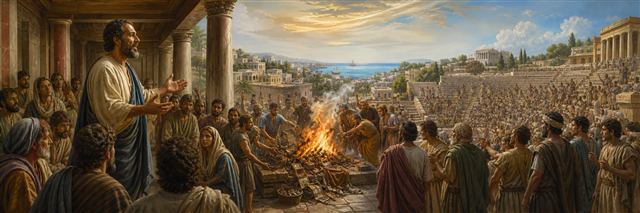
Acts 19 recounts Paul’s Ephesian ministry, transformed lives, abandoned occult practices, and the theater disturbance.
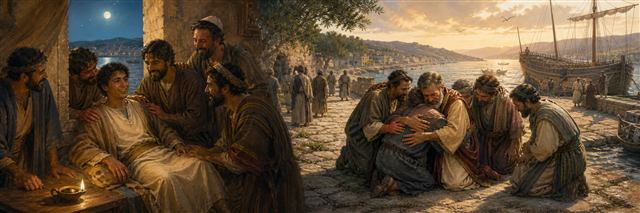
Acts 20 recounts Eutychus’s restoration and Paul’s farewell charge to the Ephesian elders at Miletus.
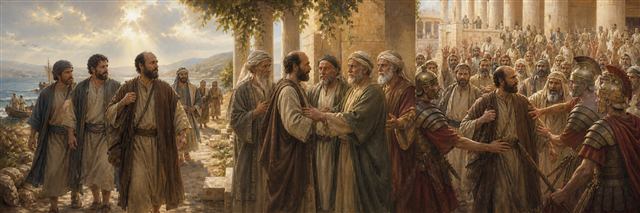
Acts 21 follows Paul to Jerusalem, his meeting with James, temple visit, arrest, and rescue by Roman soldiers.
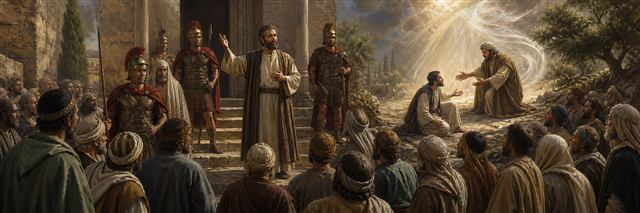
Acts 22 records Paul’s defense, conversion testimony, Gentile commission, and appeal to Roman citizenship.
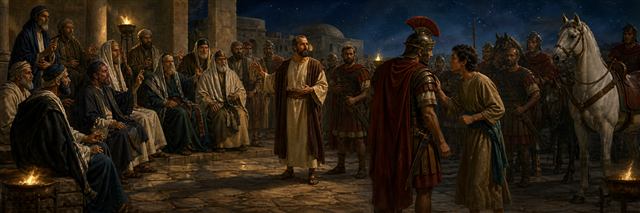
Acts 23 recounts Paul before the divided council, an uncovered assassination plot, and his guarded transfer to Caesarea.
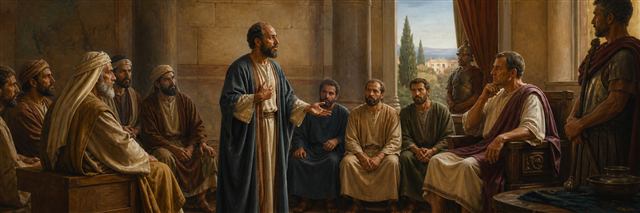
Acts 24 records Paul’s defense before Felix, the governor’s delay, and later conversations about faith and judgment.
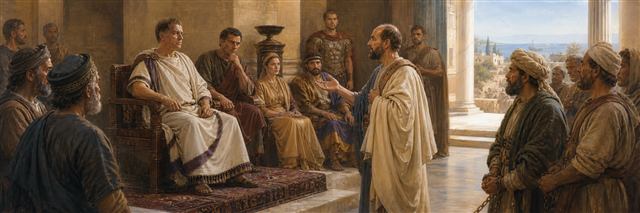
Acts 25 recounts Paul’s hearing before Festus, his appeal to Caesar, and consultation with Agrippa.
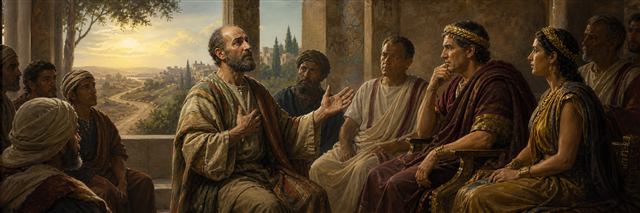
Acts 26 presents Paul’s testimony before Agrippa, including his conversion, commission, and resurrection hope.
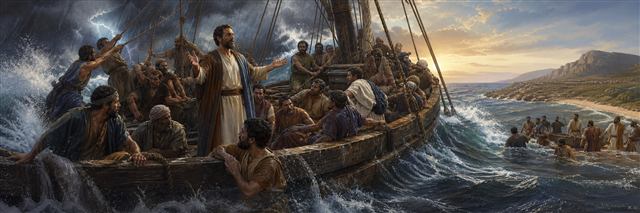
Acts 27 recounts Paul’s storm-tossed voyage, his encouragement aboard ship, and the safe arrival of every passenger.
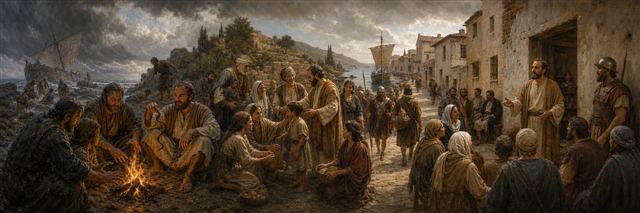
Acts 28 recounts Malta’s hospitality and healings, Paul’s arrival in Rome, and his continuing unhindered witness.