
Genesis
Genesis has 50 chapters. Read Genesis in the World English Bible (Catholic), chapter by chapter, free and without an account.
Genesis recounts the creation of the world, humanity’s disobedience, and the beginnings of Israel’s ancestral family. Its focus narrows from the nations to Abraham and Sarah, Isaac, Jacob, and Joseph. Promises of land, descendants, and blessing run through a story of conflict and survival that ends with Jacob’s family in Egypt.
In Christian Bibles, Genesis is one of the five books of the Pentateuch of the Old Testament. In the Jewish Tanakh it belongs to the Torah. See it on the shelf.
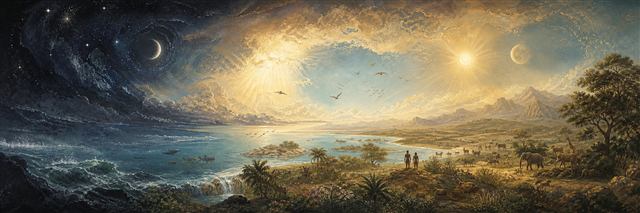
Genesis 1 describes creation, humanity made in God's image, the care of the earth, and God's declaration that creation is very good.

Genesis 2 recounts the seventh-day rest, the garden of Eden, the formation of the man and woman, human vocation, and companionship.
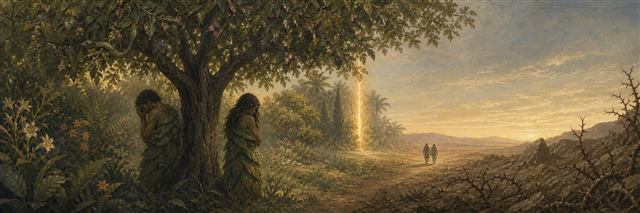
Genesis 3 recounts the serpent's deception, human disobedience, shame and judgment, God's provision of garments, and exile from Eden.
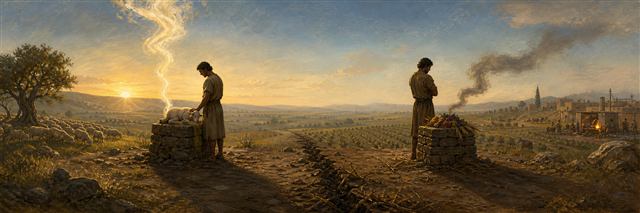
Genesis 4 follows Cain and Abel, the first murder and its consequences, Cain's descendants, developing culture, and the birth of Seth.
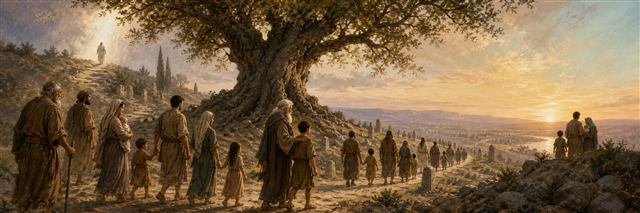
Genesis 5 traces Adam's family line through Seth to Noah, emphasizing generations and mortality, Enoch's walk with God, and hope for relief.
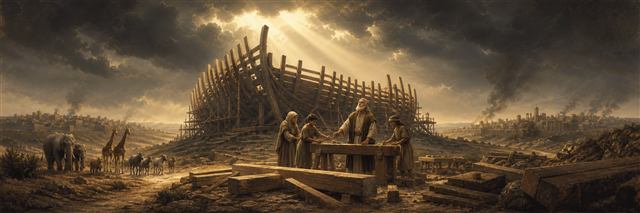
Genesis 6 describes human corruption, God's coming judgment, Noah's favor and obedience, and the instructions for building the ark.
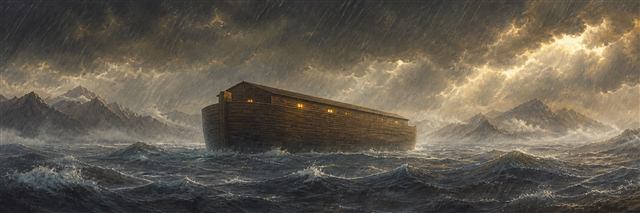
Genesis 7 recounts Noah's family entering the ark, forty days of rain, the flood covering the land, and the preservation of life within.

Genesis 8 recounts the receding floodwaters, the birds sent from the ark, Noah's altar, and God's promise concerning the earth's seasons.
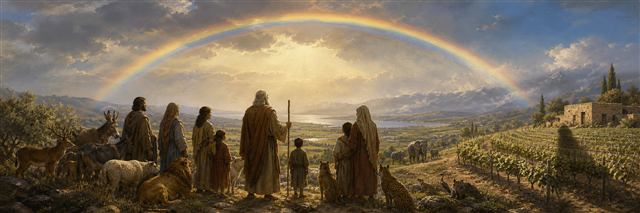
Genesis 9 records God's covenant with Noah and all living creatures, the rainbow sign, the value of human life, and Noah's family conflict.
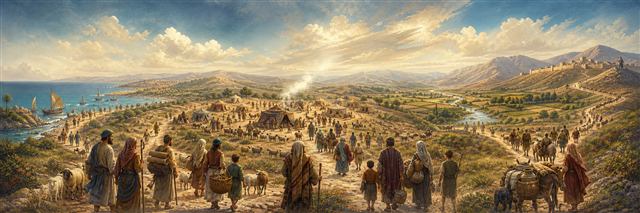
Genesis 10 traces the descendants of Noah's sons and the spread of their clans, languages, territories, and nations after the flood.
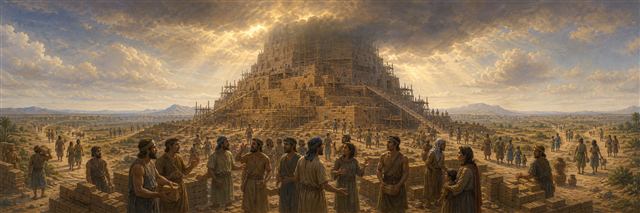
Genesis 11 recounts Babel and the scattering of its builders, then traces Shem's family line to Terah, Abram, Sarai, and Haran.
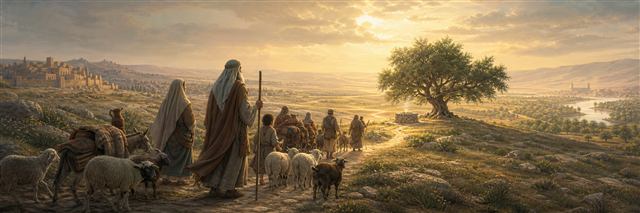
Genesis 12 follows God's call of Abram, his journey to Canaan, the promises of blessing, and Abram and Sarai's difficult stay in Egypt.
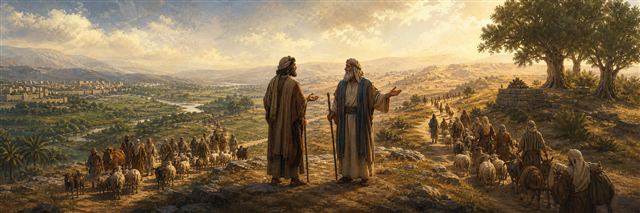
Genesis 13 recounts Abram and Lot's peaceful separation, Lot's choice near Sodom, and God's renewed promise of land to Abram.
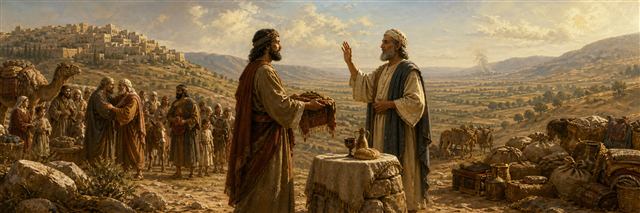
Genesis 14 recounts Lot's capture and rescue, Abram's victory, Melchizedek's blessing, and Abram's refusal of Sodom's wealth.
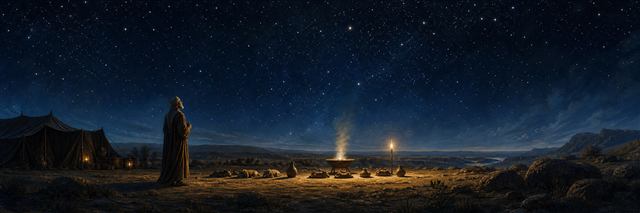
Genesis 15 records God's covenant with Abram, the promise of an heir and countless descendants, and the future inheritance of the land.
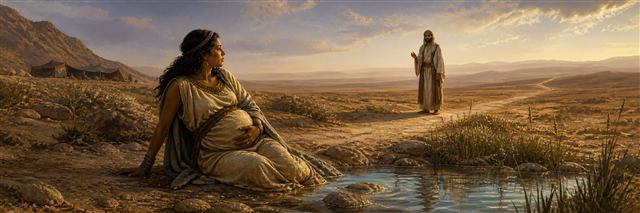
Genesis 16 recounts Sarai and Hagar's conflict, Hagar's flight and wilderness encounter, and the promise and birth of Ishmael.
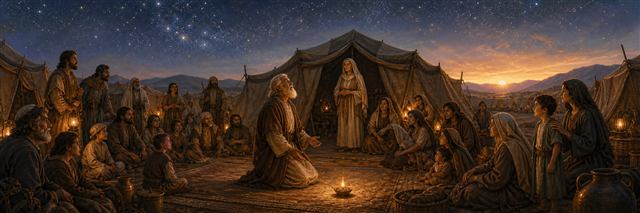
Genesis 17 renews the covenant, gives Abraham and Sarah new names, establishes circumcision, and promises Isaac while blessing Ishmael.
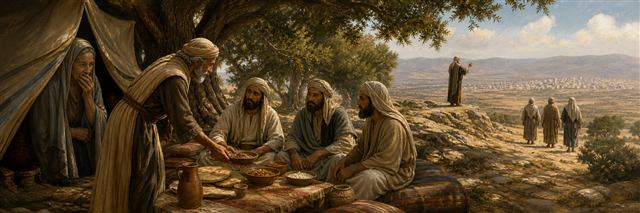
Genesis 18 recounts Abraham's hospitality, the promise of Sarah's son, her laughter, and Abraham's intercession concerning Sodom.
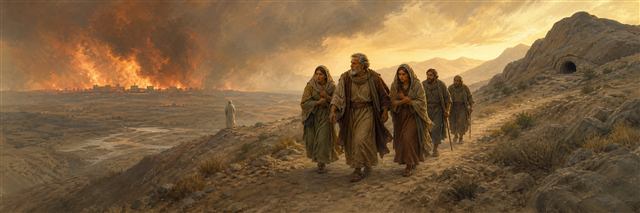
Genesis 19 recounts Lot's rescue, the destruction of Sodom and Gomorrah, his wife's fate, and the origins of Moab and Ammon.
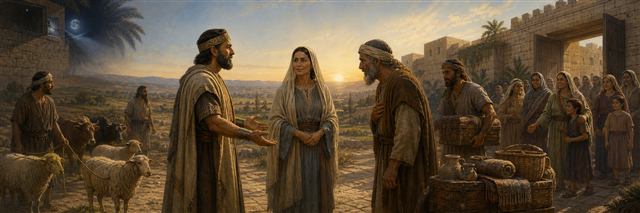
Genesis 20 recounts Abraham and Sarah at Gerar, God's warning to Abimelech, Sarah's return, restitution, and restored fertility.
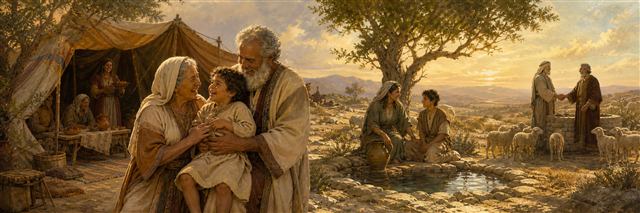
Genesis 21 records Isaac's birth, Hagar and Ishmael's wilderness deliverance, and Abraham's treaty with Abimelech at Beersheba.
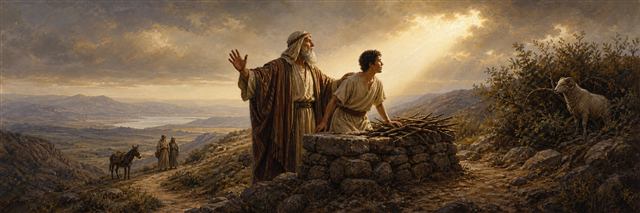
Genesis 22 recounts Abraham's testing, Isaac's deliverance, the ram provided in his place, and the reaffirmation of God's promises.
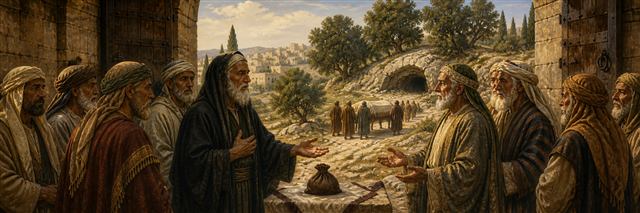
Genesis 23 records Sarah's death and burial and Abraham's public purchase of the field and cave of Machpelah from Ephron.
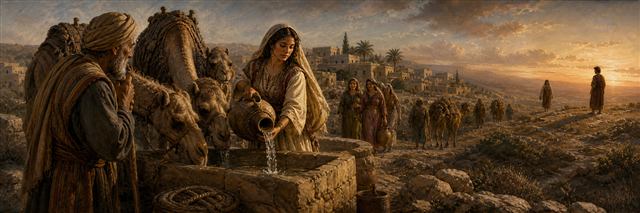
Genesis 24 follows Abraham's servant, Rebekah's welcome at the well, her decision to leave her family, and her marriage to Isaac.
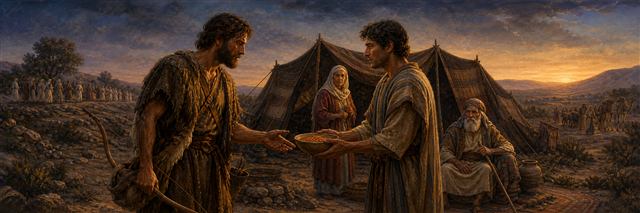
Genesis 25 records Abraham's death, Ishmael's descendants, the births of Esau and Jacob, and Esau's sale of his birthright.
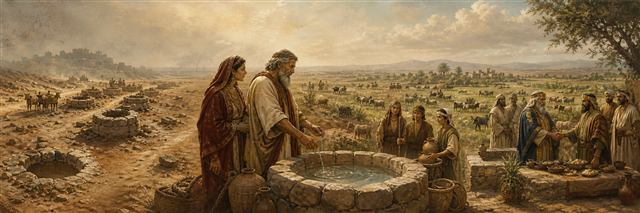
Genesis 26 follows Isaac through famine, conflict over wells, growing prosperity, God's reassurance, and a peace treaty with Abimelech.
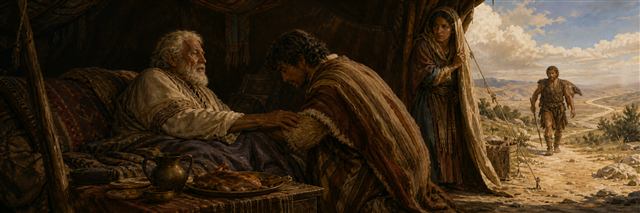
Genesis 27 recounts Jacob's deception of Isaac, the blessing intended for Esau, Esau's grief and anger, and Jacob's planned departure.
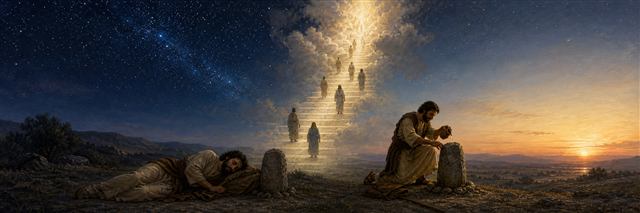
Genesis 28 follows Jacob's departure, his dream of a stairway at Bethel, God's promises of land and descendants, and Jacob's vow.
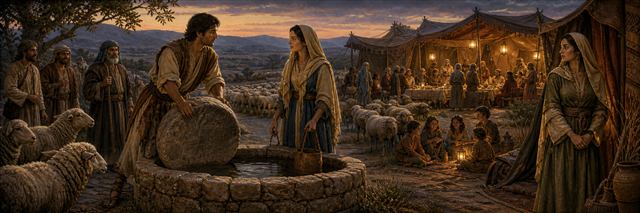
Genesis 29 recounts Jacob's meeting with Rachel, Laban's wedding deception, Jacob's marriages to Leah and Rachel, and Leah's first sons.
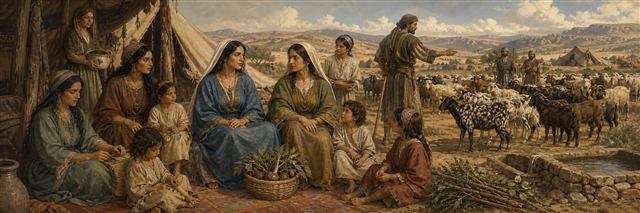
Genesis 30 traces the growth and rivalry of Jacob's household, Joseph's birth, Jacob's agreement with Laban, and his increasing prosperity.
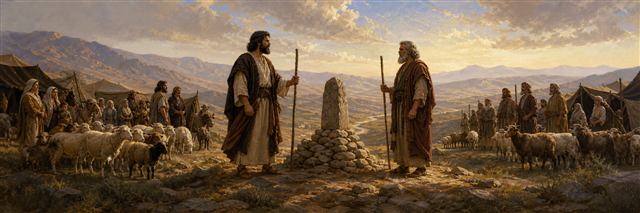
Genesis 31 follows Jacob's departure, Laban's pursuit, Rachel's hidden household idols, and the covenant boundary established in Gilead.

Genesis 32 recounts Jacob's fear of meeting Esau, his prayer and gifts, his night-long struggle at the Jabbok, and the name Israel.
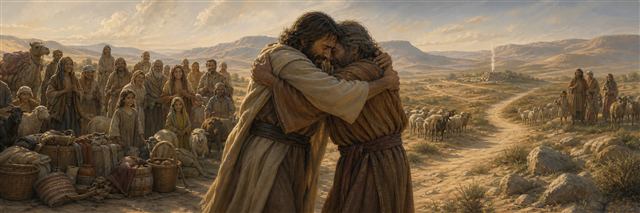
Genesis 33 records Jacob and Esau's reconciliation, the acceptance of Jacob's gifts, their separate journeys, and Jacob's altar near Shechem.
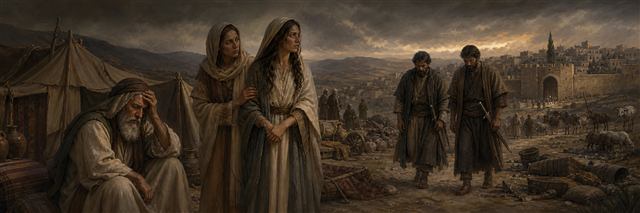
Genesis 34 recounts Dinah's violation, deceptive negotiations with Shechem, Simeon and Levi's vengeance, the city's plunder, and Jacob's fear.
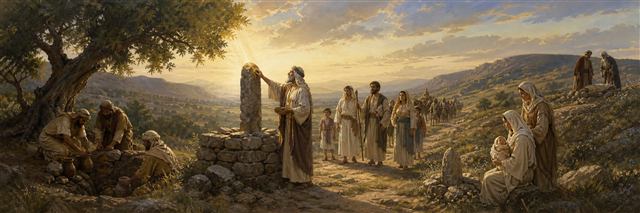
Genesis 35 follows Jacob's return to Bethel, renewed promises, Benjamin's birth, Rachel and Isaac's deaths, and Jacob's twelve sons.
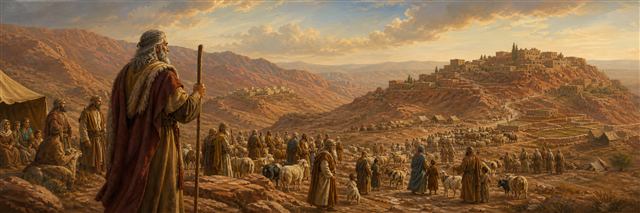
Genesis 36 traces Esau's family, his move to Seir, the clans and chiefs descended from him, and the kings who ruled Edom.
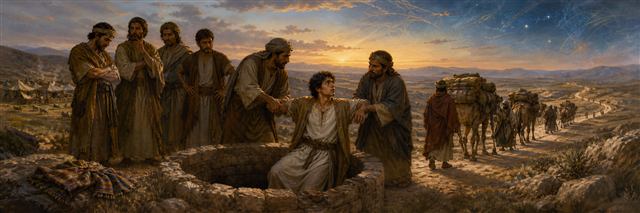
Genesis 37 recounts Joseph's dreams, his brothers' jealousy and betrayal, Jacob's grief, and Joseph's sale to Potiphar in Egypt.
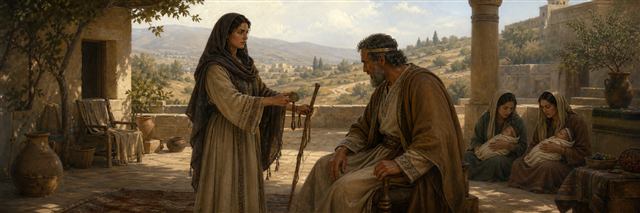
Genesis 38 follows Judah and Tamar through family loss, a denied obligation, Tamar's vindication, and the births of Perez and Zerah.
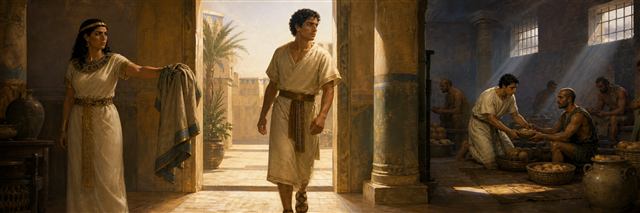
Genesis 39 recounts Joseph's faithful service, refusal of Potiphar's wife, false accusation, imprisonment, and renewed responsibility.
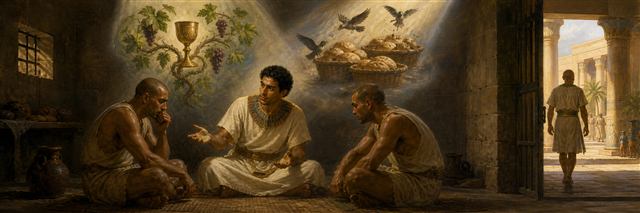
Genesis 40 recounts Joseph's interpretations of the cupbearer and baker's dreams, their fulfillment, and the cupbearer's failure to remember him.
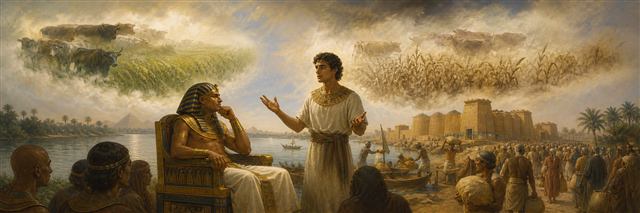
Genesis 41 recounts Pharaoh's dreams, Joseph's interpretation and rise to authority, Egypt's abundant harvests, and the beginning of famine.
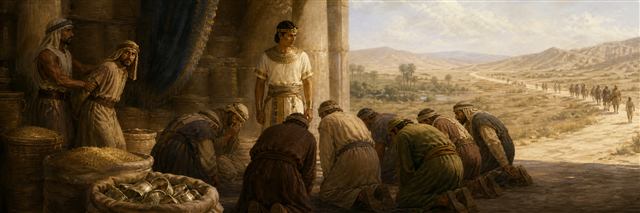
Genesis 42 follows Joseph's brothers seeking grain in Egypt, Joseph's hidden identity and testing, Simeon's detention, and Jacob's grief.
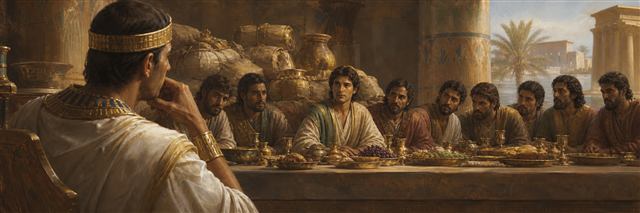
Genesis 43 follows the brothers' return with Benjamin, Joseph's concealed emotion, reassurance over the silver, and a shared feast in Egypt.
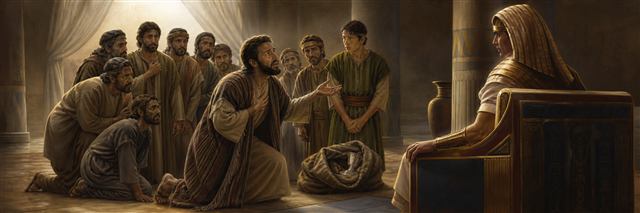
Genesis 44 recounts the silver cup test, the brothers' return to Joseph, and Judah's plea and offer to take Benjamin's place.
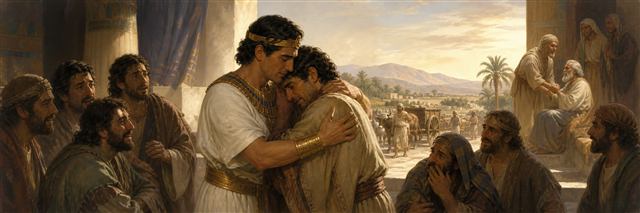
Genesis 45 records Joseph revealing himself, forgiving his brothers, embracing Benjamin, and inviting Jacob's household to settle in Egypt.
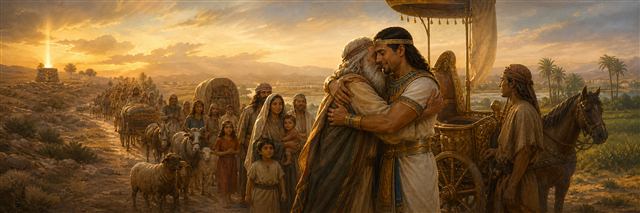
Genesis 46 follows Israel's assured journey to Egypt, records the family who travels with him, and recounts Jacob and Joseph's reunion.
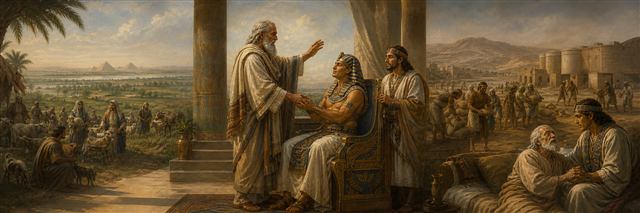
Genesis 47 recounts Israel's settlement in Goshen, Jacob's meeting with Pharaoh, Joseph's famine policy, and Jacob's burial request.
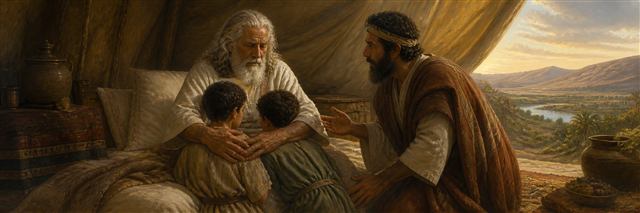
Genesis 48 records Jacob adopting and blessing Ephraim and Manasseh, deliberately placing the younger Ephraim before his brother.
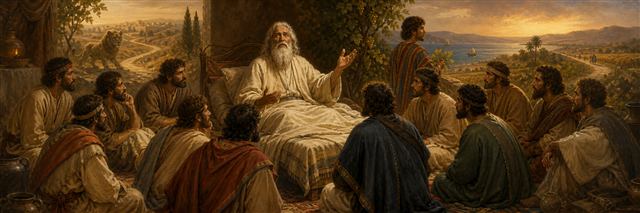
Genesis 49 records Jacob's final words to his twelve sons, their distinct futures, his burial instructions, and his death.
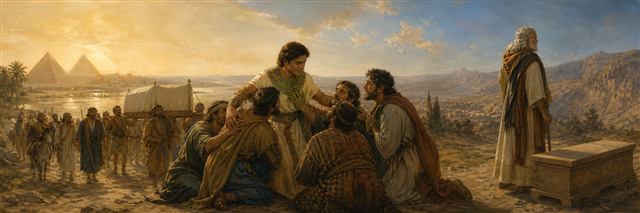
Genesis 50 recounts Jacob's burial, Joseph's reassurance and forgiveness of his brothers, and Joseph's hope for Israel's return.