

Deuteronomy
Deuteronomy has 34 chapters. Read Deuteronomy in the New American Standard Bible 2020, chapter by chapter, free and without an account.
Deuteronomy presents Moses addressing Israel in Moab before the people cross the Jordan. He recalls their journey, teaches covenant obligations, and urges them to love and obey God in the land ahead. Laws for worship and communal life lead into blessings, warnings, and a call to choose life. The book closes with Joshua’s succession and Moses’ death.
In Christian Bibles, Deuteronomy is one of the five books of the Pentateuch of the Old Testament. In the Jewish Tanakh it belongs to the Torah. See it on the shelf.
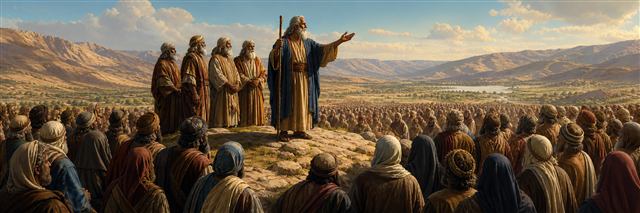
Deuteronomy 1 reviews Israel’s journey from Horeb, the appointment of judges, the scouts, and the refusal to enter Canaan.
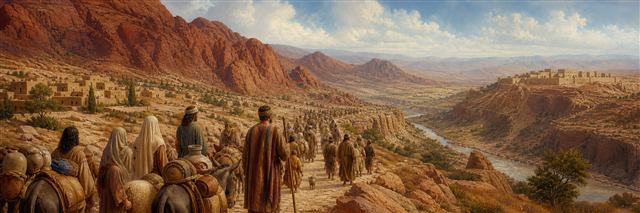
Deuteronomy 2 traces Israel’s journey around neighboring lands and recounts the defeat of King Sihon east of the Jordan.
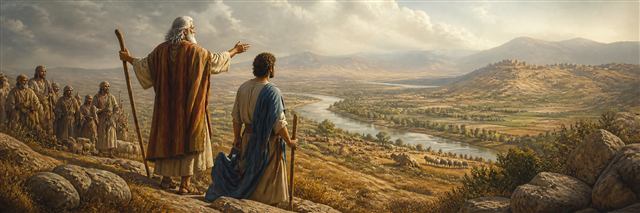
Deuteronomy 3 recounts victory over Og, Transjordan’s allocation, Joshua’s encouragement, and Moses’ view of Canaan.
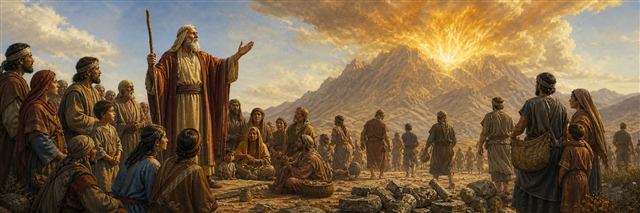
Deuteronomy 4 calls Israel to remember Horeb, teach future generations, reject idols, and return to God after failure.
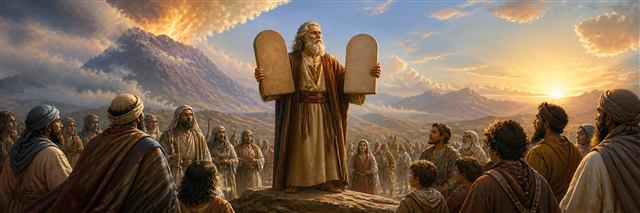
Deuteronomy 5 repeats the Ten Commandments and recalls Moses’ role as mediator when Israel heard from Horeb.
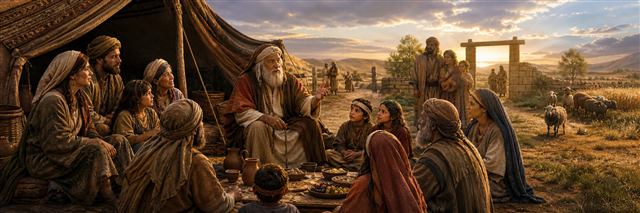
Deuteronomy 6 calls Israel to wholehearted love, diligent family teaching, faithful memory, and obedience amid prosperity.
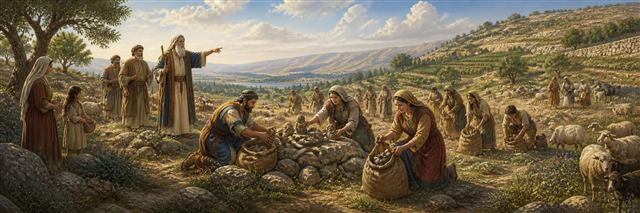
Deuteronomy 7 calls Israel to covenant faithfulness, removal of idols, and trust in gradual victory and blessing.

Deuteronomy 8 contrasts wilderness dependence with the good land and warns Israel not to forget God in prosperity.
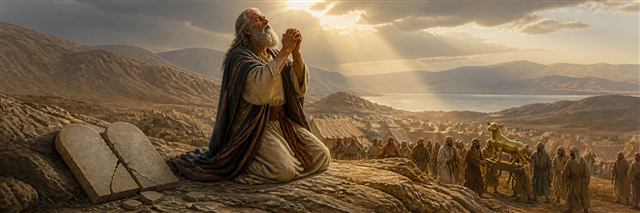
Deuteronomy 9 recalls the golden calf and Moses’ intercession to show that Israel depends on mercy, not self-righteousness.
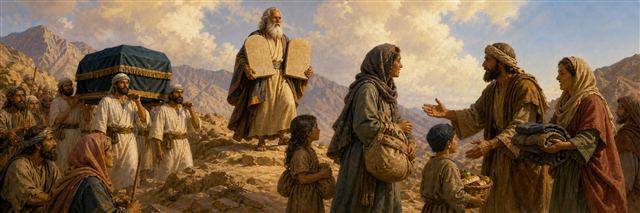
Deuteronomy 10 recalls renewed tablets and Levite service, then calls Israel to love, obey, and care for foreigners.
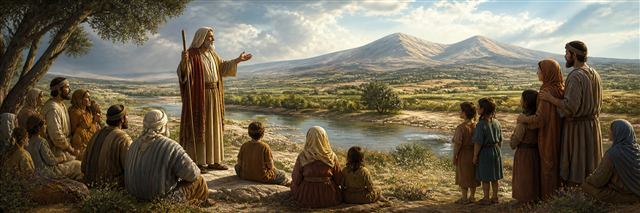
Deuteronomy 11 calls Israel to remember, teach children, obey, and choose the blessing set before them in the land.
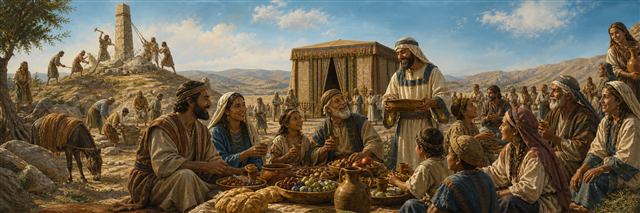
Deuteronomy 12 directs Israel to remove pagan shrines and gather joyfully with households and Levites at the chosen place.
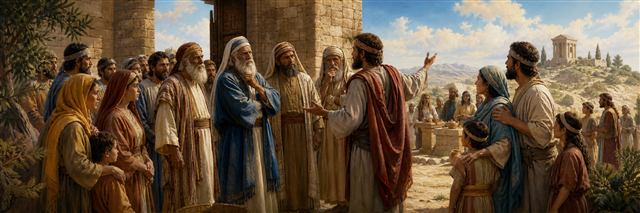
Deuteronomy 13 warns Israel to test prophetic claims and resist every personal or communal enticement toward other gods.
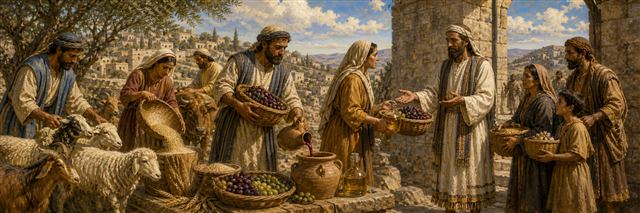
Deuteronomy 14 joins Israel’s holy identity and food distinctions with tithes for worship and vulnerable neighbors.
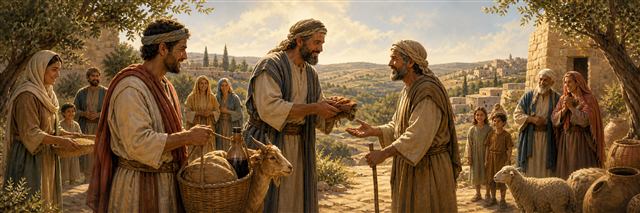
Deuteronomy 15 commands debt release, generosity toward the poor, generous servant release, and consecrated firstborn animals.
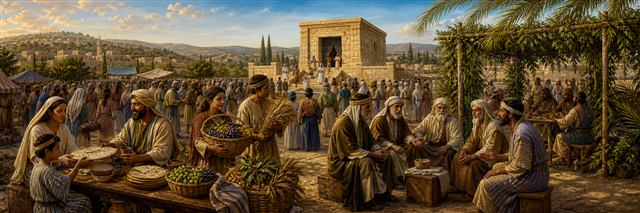
Deuteronomy 16 reviews three pilgrimage festivals and commands judges to pursue justice without partiality or bribery.
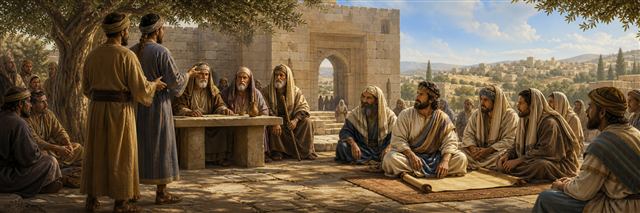
Deuteronomy 17 requires reliable witnesses and accountable judges, while directing a future king toward humility and covenant law.
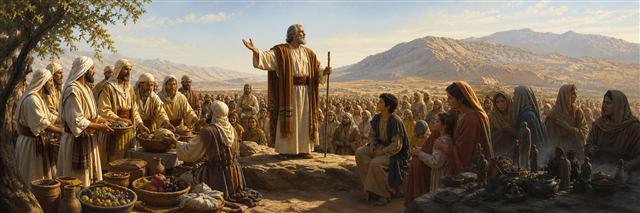
Deuteronomy 18 provides for Levites, rejects occult practices, and promises a prophet like Moses whom Israel must hear.
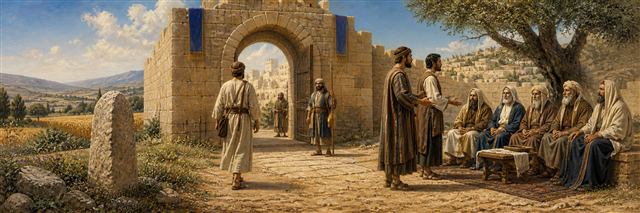
Deuteronomy 19 establishes cities of refuge, protects boundaries, and requires multiple truthful witnesses for justice.
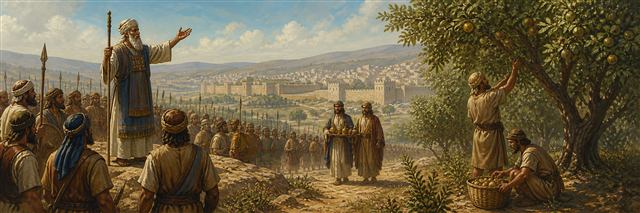
Deuteronomy 20 gives laws for warfare involving courage, exemptions, peace offers, and protection of fruit trees.
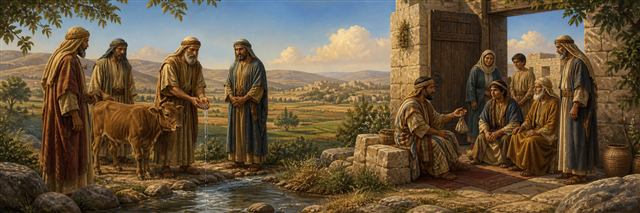
Deuteronomy 21 addresses an unsolved death, family rights, persistent rebellion, and burial dignity within Israel’s law.
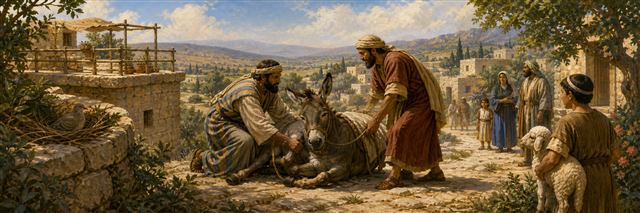
Deuteronomy 22 combines neighborly care and safety laws with boundaries concerning creation, households, marriage, and sexuality.
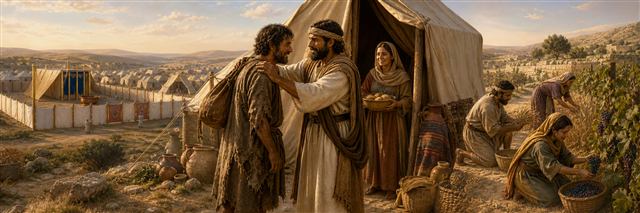
Deuteronomy 23 joins camp holiness with protection for escaped servants and limits concerning lending, vows, and neighborly access.
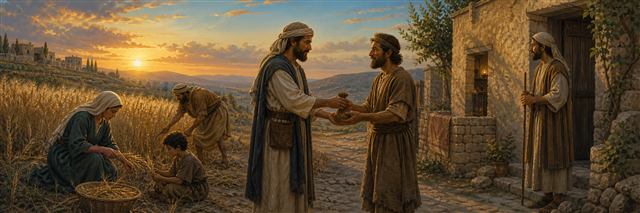
Deuteronomy 24 protects borrowers, workers, foreigners, orphans, and widows while regulating pledges and family matters.
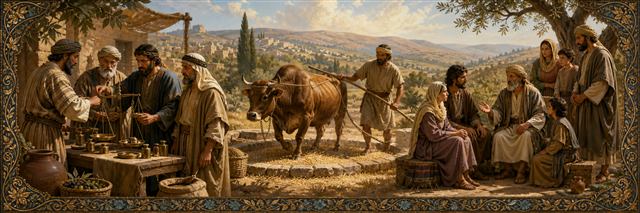
Deuteronomy 25 addresses measured justice, care for working animals, family duty, honest trade, and remembrance of Amalek.
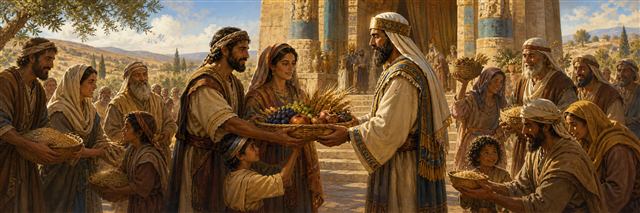
Deuteronomy 26 joins firstfruits and the third-year tithe with a confession of deliverance and covenant identity.
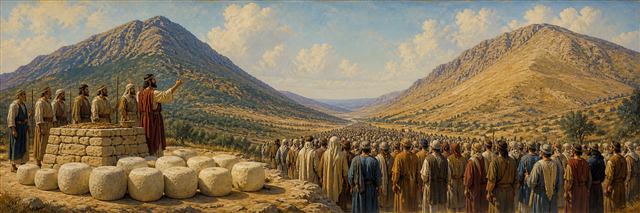
Deuteronomy 27 prepares covenant stones and an altar on Mount Ebal as Israel affirms the covenant between two mountains.
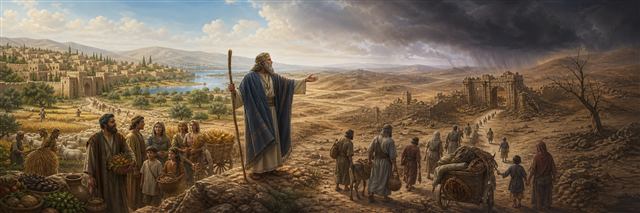
Deuteronomy 28 contrasts extensive covenant blessings for obedience with escalating consequences of persistent rejection.
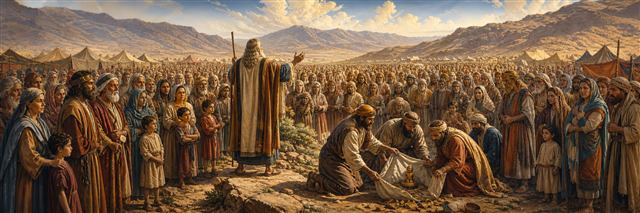
Deuteronomy 29 renews the covenant with all Israel and warns against hidden idolatry, complacency, and abandonment.
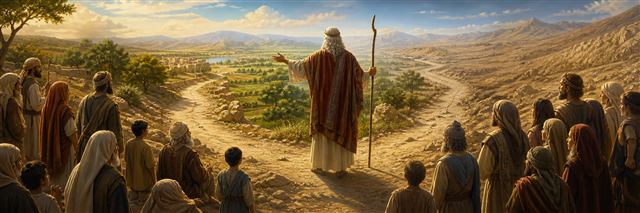
Deuteronomy 30 promises restoration after return and urges Israel to choose life through love, obedience, and faithfulness.
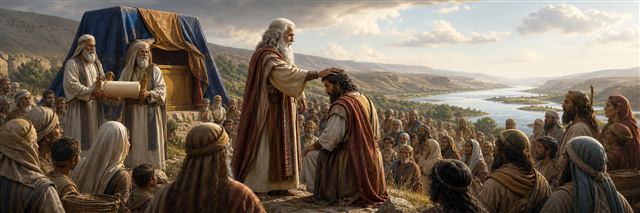
Deuteronomy 31 commissions Joshua, entrusts the law for public reading, and introduces Moses’ song as a future witness.
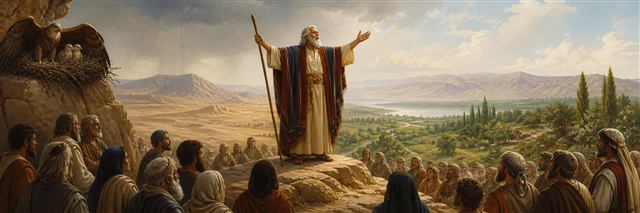
Deuteronomy 32 records Moses’ song of divine faithfulness, Israel’s forgetfulness, judgment, vindication, and hope.
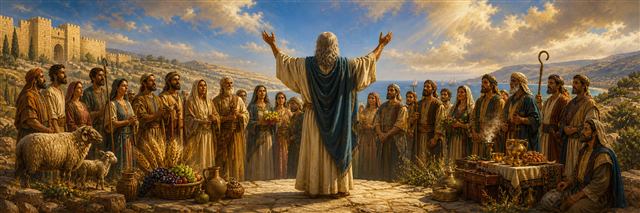
Deuteronomy 33 records Moses’ distinct blessings over Israel’s tribes and celebrates their shared security and help.
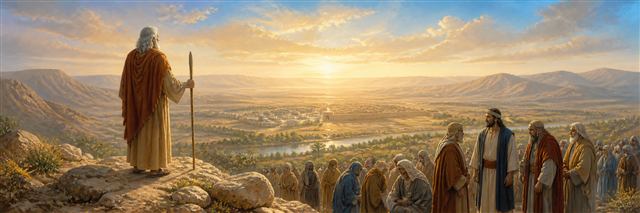
Deuteronomy 34 recounts Moses’ view from Nebo, death and mourning, Joshua’s succession, and Moses’ unique prophetic legacy.