

Ecclesiastes
Ecclesiastes has 12 chapters. Read Ecclesiastes in the Literal Standard Version, chapter by chapter, free and without an account.
Ecclesiastes examines work, pleasure, wisdom, wealth, injustice, and death through the voice of the Teacher. It repeatedly questions what lasting gain people can secure from their efforts. Alongside its unsettling observations, it urges enjoyment of ordinary gifts and acknowledges the limits of human understanding. Its closing words call readers to fear God, keep his commandments, and remember judgment.
In Christian Bibles, Ecclesiastes is one of the books of Poetry and Wisdom of the Old Testament. In the Jewish Tanakh it belongs to the Ketuvim, the Writings. See it on the shelf.
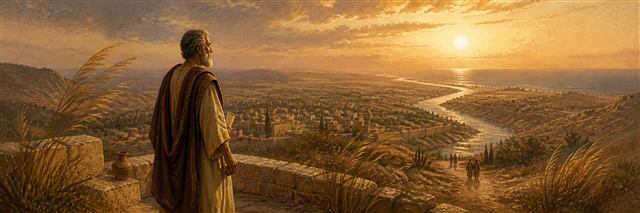
Ecclesiastes 1 reflects on life’s repeating cycles, the limits of human labor, and the sorrow that can accompany wisdom.

Ecclesiastes 2 tests pleasure, wealth, achievement, and wisdom, finding them unable to overcome death or guarantee lasting gain.
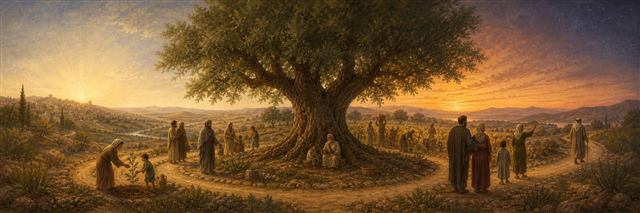
Ecclesiastes 3 presents a time for every purpose, God’s enduring work, human limits, injustice, joy, and mortality.
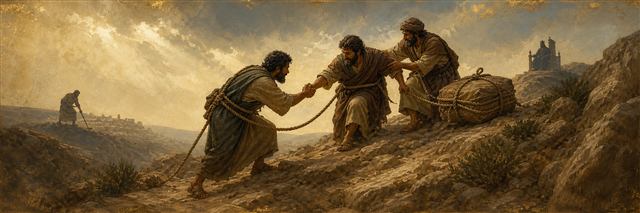
Ecclesiastes 4 contrasts oppression, rivalry, isolation, and unstable power with the practical strength of companionship.
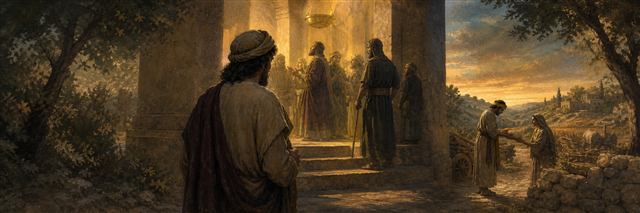
Ecclesiastes 5 urges reverent worship, truthful vows, and contentment while exposing injustice and wealth’s inability to satisfy.

Ecclesiastes 6 describes the tragedy of wealth without enjoyment, unsatisfied desire, brief life, and an unknowable future.
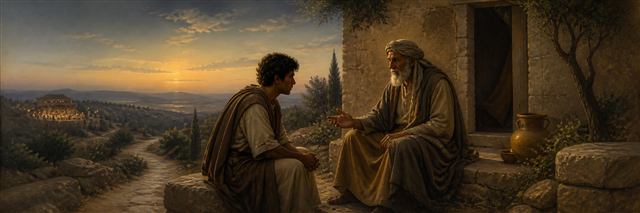
Ecclesiastes 7 commends sorrow, patience, correction, humility, and balanced wisdom while acknowledging universal human sin.
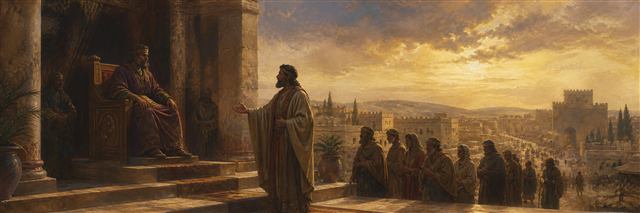
Ecclesiastes 8 considers wise conduct under authority, delayed justice, life’s reversals, and the mystery of God’s work.
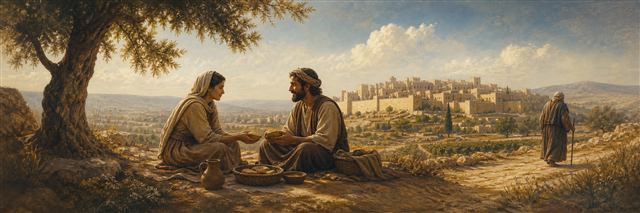
Ecclesiastes 9 joins shared mortality with gratitude for life, love, work, unexpected outcomes, and overlooked wisdom.
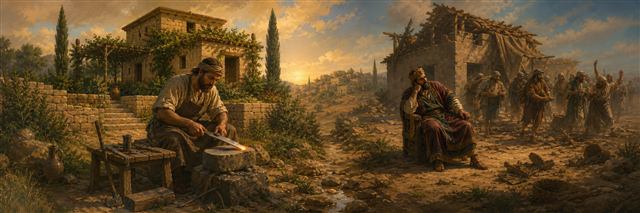
Ecclesiastes 10 contrasts wisdom and skilled work with careless speech, poor leadership, laziness, and destructive folly.

Ecclesiastes 11 encourages generosity, diligent work amid uncertainty, joyful youth, and responsible living before God.
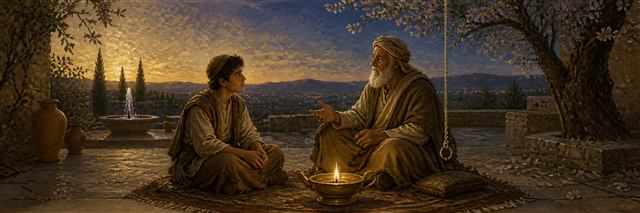
Ecclesiastes 12 portrays aging and death, then concludes with the call to fear God, keep his commandments, and face judgment.