
Matthew
Matthew has 28 chapters. Read Matthew in the King James (Authorized) Version, chapter by chapter, free and without an account.
Matthew presents Jesus as the Messiah, connects his story with Israel’s Scriptures, and gathers his teaching about the kingdom of heaven and faithful discipleship. Healing, forgiveness, and conflict accompany his ministry. The narrative leads to his crucifixion and resurrection, then closes with his commission to make disciples of all nations and his promise to remain with them.
Matthew is one of the four Gospels of the New Testament, the same 27 books in every Christian Bible. See it on the shelf.
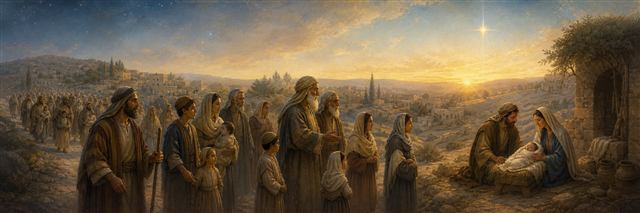
Matthew 1 traces Jesus’ genealogy and recounts how Joseph receives Mary and names her son Jesus.
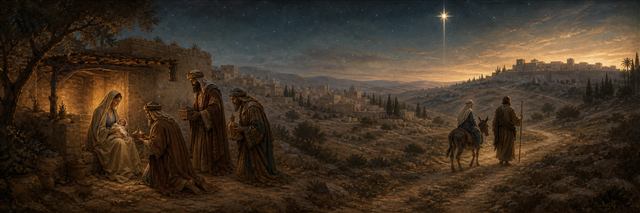
Matthew 2 recounts the Magi’s visit, the family’s flight to Egypt, Herod’s violence, and their settlement in Nazareth.
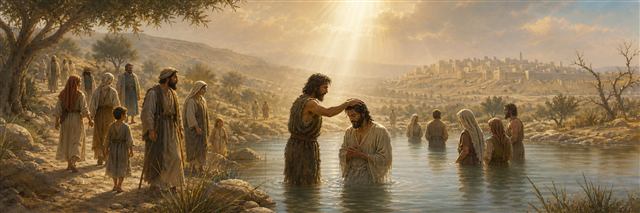
Matthew 3 presents John’s call to repentance and the baptism of Jesus in the Jordan.
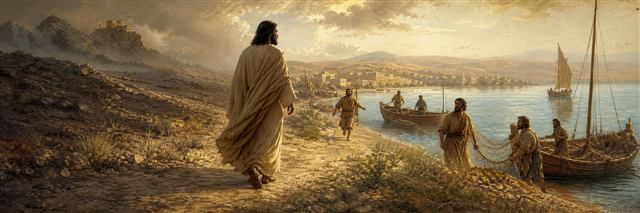
Matthew 4 recounts Jesus’ temptation, the beginning of his Galilean ministry, and the calling of his first disciples.
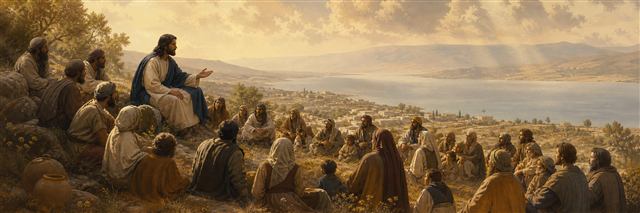
Matthew 5 opens the Sermon on the Mount with the Beatitudes and Jesus’ teaching on faithful kingdom living.
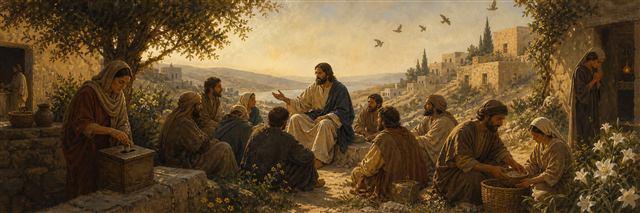
Matthew 6 teaches sincere devotion, the Lord’s Prayer, undivided loyalty, and trust instead of anxiety.
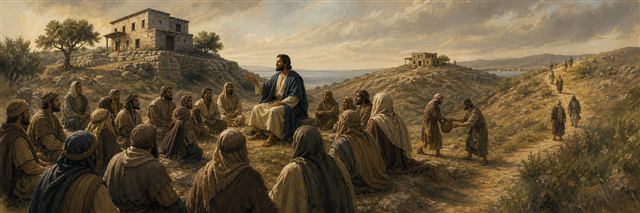
Matthew 7 concludes the Sermon on the Mount with teaching on judgment, prayer, discernment, and obedient foundations.
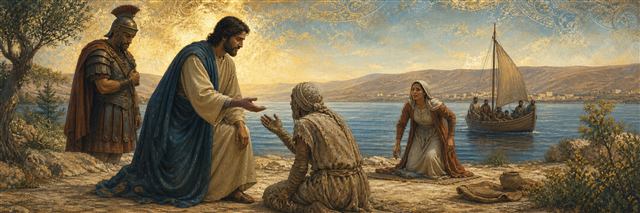
Matthew 8 gathers healings, the calming of a storm, and deliverance that reveal Jesus’ compassionate authority.
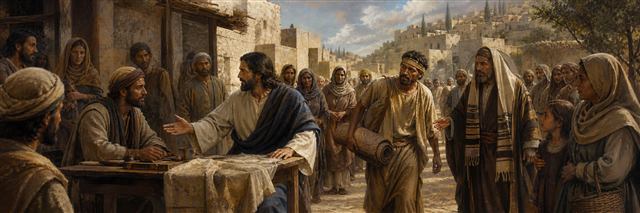
Matthew 9 recounts forgiveness, healings, Matthew’s call, shared meals, and Jesus’ compassion for the crowds.
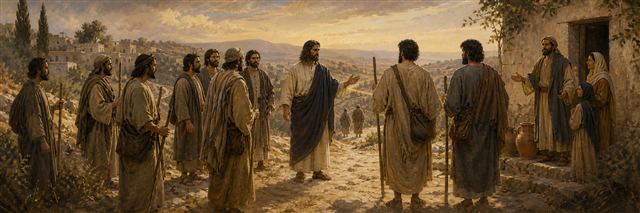
Matthew 10 records Jesus’ commissioning of the twelve and his teaching about mission, opposition, courage, and welcome.
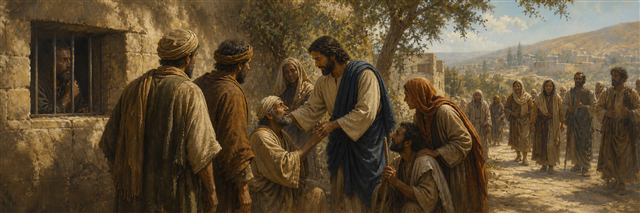
Matthew 11 answers John’s question through Jesus’ works and closes with an invitation to rest.
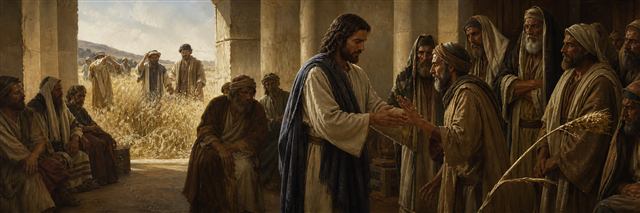
Matthew 12 centers mercy in Sabbath disputes and records growing conflict over Jesus’ authority and signs.
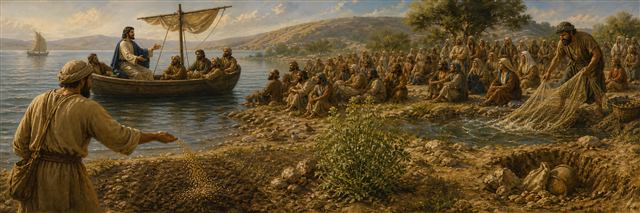
Matthew 13 gathers Jesus’ kingdom parables about reception, growth, value, judgment, and response.
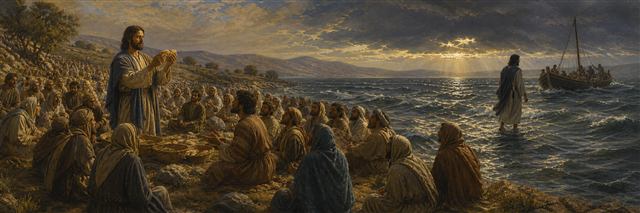
Matthew 14 recounts John’s death, the feeding of five thousand, Jesus walking on water, and healings at Gennesaret.
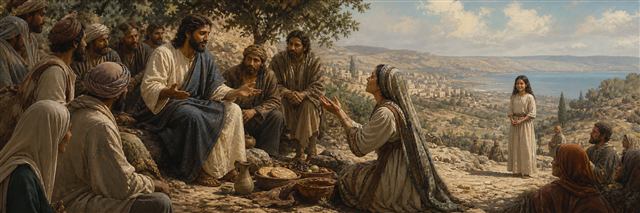
Matthew 15 addresses inner purity, a Canaanite woman’s faith, healings, and the feeding of four thousand.
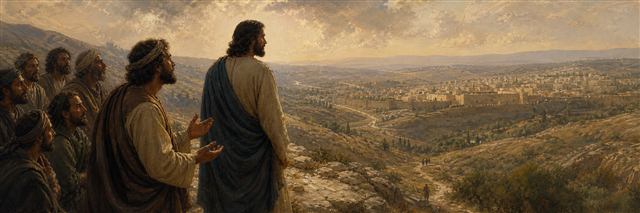
Matthew 16 records Peter’s confession, Jesus’ first suffering prediction, and the call to costly discipleship.
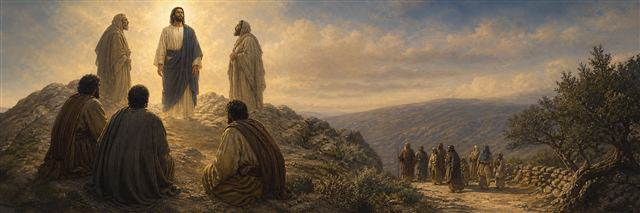
Matthew 17 recounts the transfiguration, a difficult healing, another suffering prediction, and the temple tax.
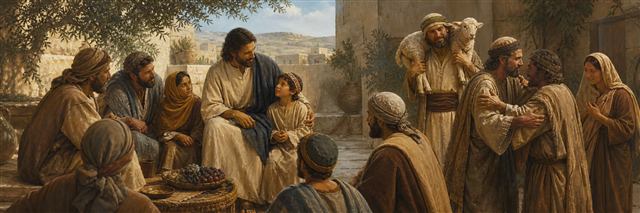
Matthew 18 teaches humility, protection, restoration, communal responsibility, and generous forgiveness.
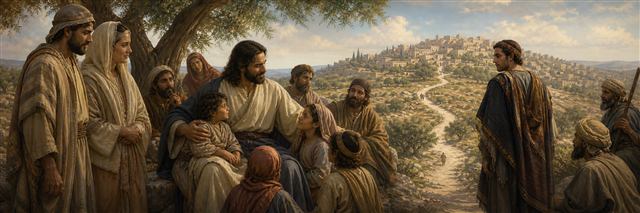
Matthew 19 addresses marriage, children, wealth, discipleship, and the promise of renewal.
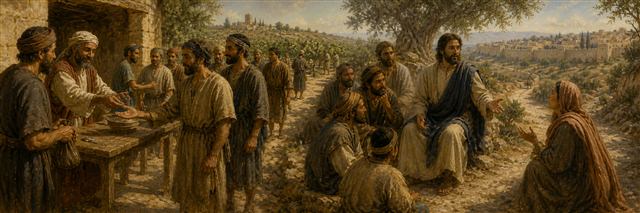
Matthew 20 joins generous vineyard wages, Jesus’ suffering prediction, servant leadership, and healing near Jericho.
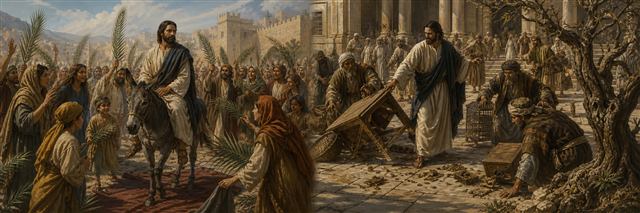
Matthew 21 recounts Jesus’ entry into Jerusalem, temple action, fig tree, authority dispute, and warning parables.
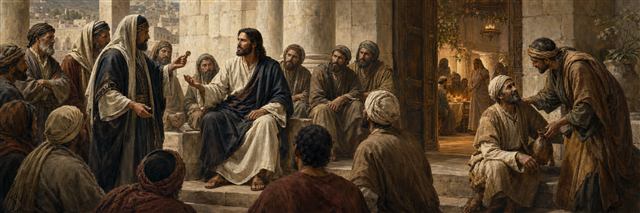
Matthew 22 presents the wedding banquet and Jesus’ answers about taxes, resurrection, love, and the Messiah.
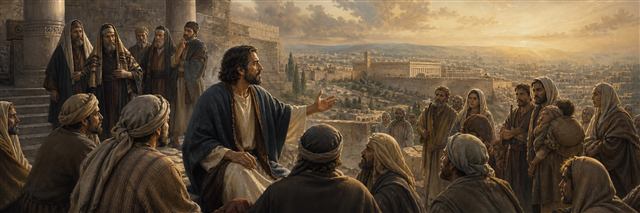
Matthew 23 warns against hypocrisy and oppressive leadership and closes with Jesus’ lament over Jerusalem.
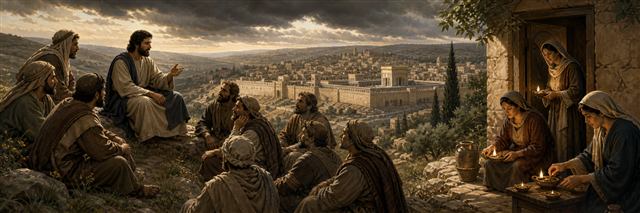
Matthew 24 records Jesus’ Mount of Olives teaching on upheaval, endurance, his coming, and watchfulness.
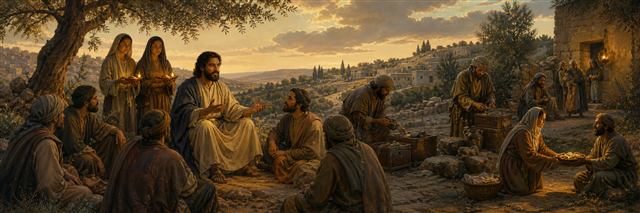
Matthew 25 teaches readiness, stewardship, and compassionate service through three judgment parables.
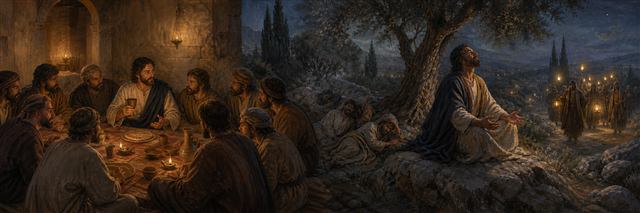
Matthew 26 recounts anointing, betrayal, the Last Supper, Gethsemane, arrest, trial, and Peter’s denial.
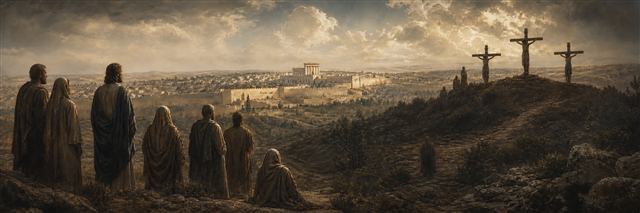
Matthew 27 recounts Jesus’ condemnation, crucifixion, death, burial, and the guarding of his tomb.
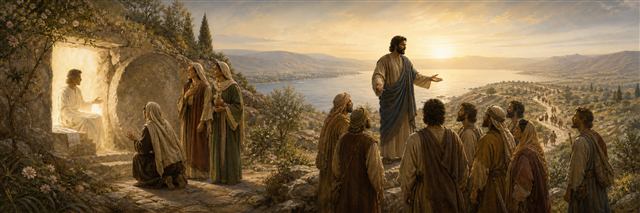
Matthew 28 announces Jesus’ resurrection and records his commission to make disciples of all nations.