Leviticus
Leviticus has 27 chapters. Read Leviticus in the Free Bible Version, chapter by chapter, free and without an account.
Leviticus presents instructions for Israel’s worship and communal life at Sinai. It addresses offerings, priests, ritual purity, atonement, and holy conduct. Alongside sanctuary regulations are commands about neighbors, strangers, land, and the vulnerable. The book connects service to God with the ordering of daily life among the people.
In Christian Bibles, Leviticus is one of the five books of the Pentateuch of the Old Testament. In the Jewish Tanakh it belongs to the Torah. See it on the shelf.
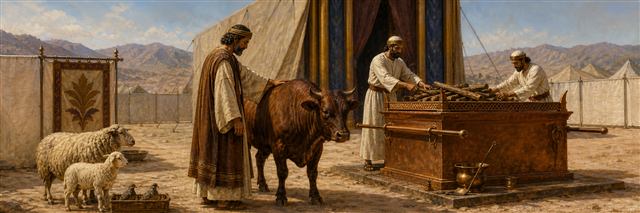
Leviticus 1 explains burnt offerings from herd, flock, or birds and the priests’ work of presenting them at the altar.
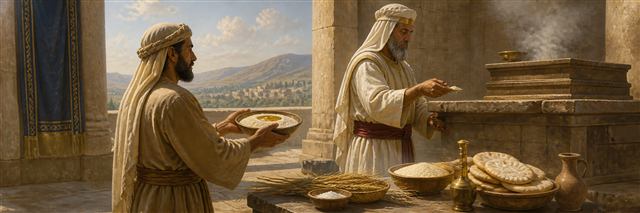
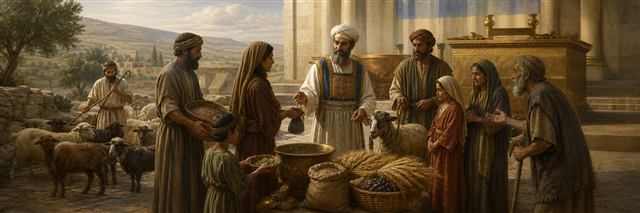
Leviticus 2 describes grain offerings of flour, oil, frankincense, firstfruits, and covenant salt, with portions for the priests.
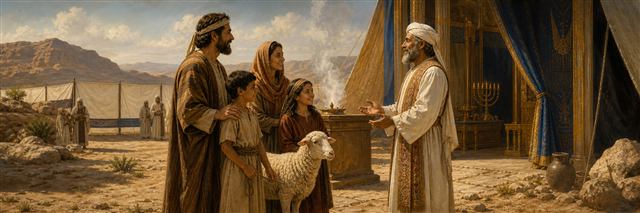
Leviticus 3 gives instructions for peace offerings from cattle, sheep, or goats and identifies the portions offered at the altar.
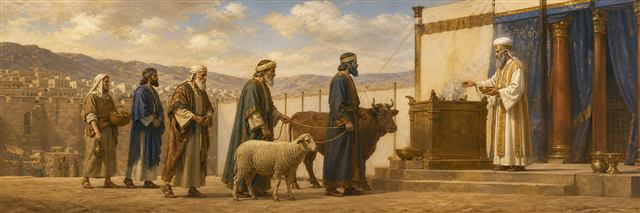
Leviticus 4 provides sin offerings for unintentional wrongs by priests, the congregation, rulers, and individuals.
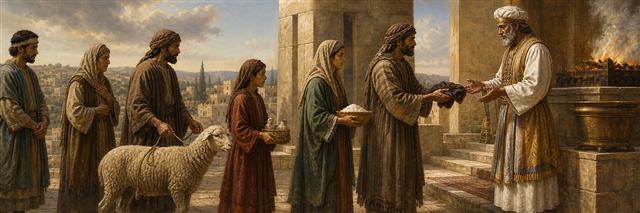
Leviticus 5 joins confession and atonement with affordable offerings and restitution for specific acts of guilt.
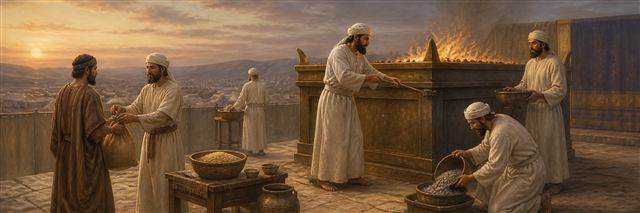
Leviticus 6 addresses restitution for property fraud and priestly duties for the continual fire and several offerings.
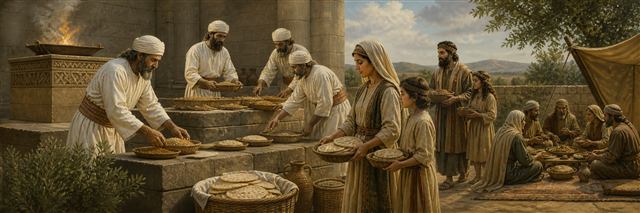
Leviticus 7 completes offering laws with priestly portions, thanksgiving meals, eating limits, and prohibitions on fat and blood.
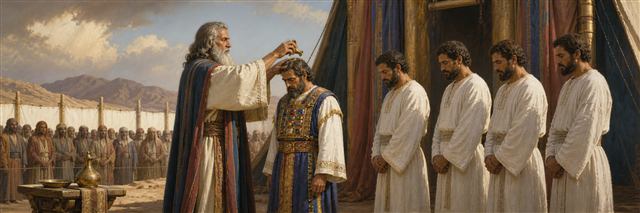
Leviticus 8 recounts Moses washing, clothing, anointing, and consecrating Aaron and his sons for priestly service.
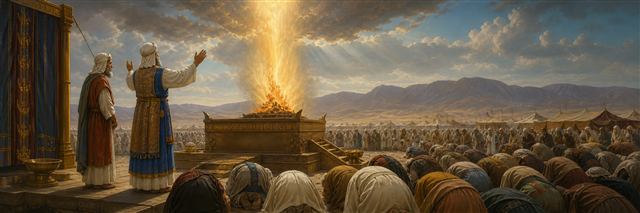
Leviticus 9 describes Aaron’s first priestly service, blessing of Israel, appearing glory, and fire consuming the altar offering.
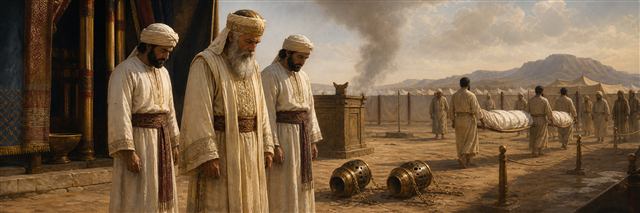
Leviticus 10 recounts Nadab and Abihu’s unauthorized fire and instructions for priestly mourning, sobriety, and discernment.
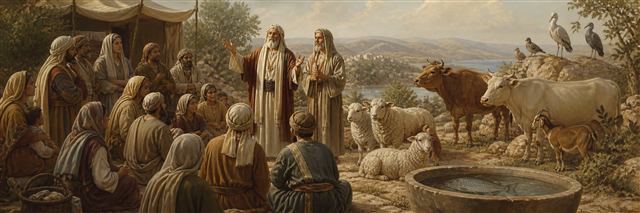
Leviticus 11 distinguishes clean and unclean creatures and explains impurity from contact with carcasses.
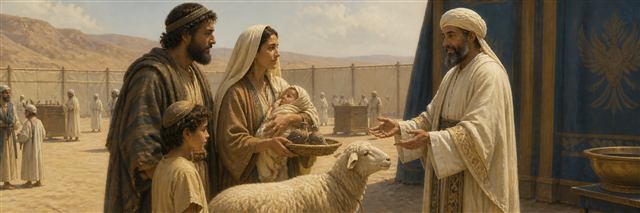
Leviticus 12 describes purification after childbirth and provides both standard and affordable offerings for the mother.
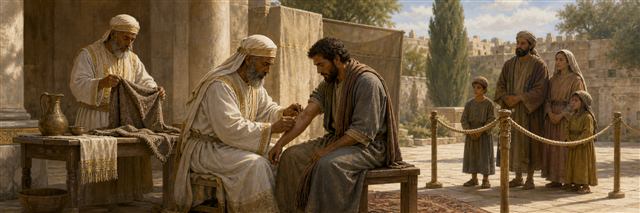
Leviticus 13 details priestly examination of skin conditions and garments, including reinspection and isolation.
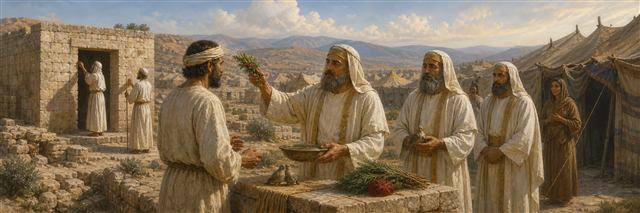
Leviticus 14 gives cleansing rites for healed skin disease and procedures for inspecting and treating affected houses.
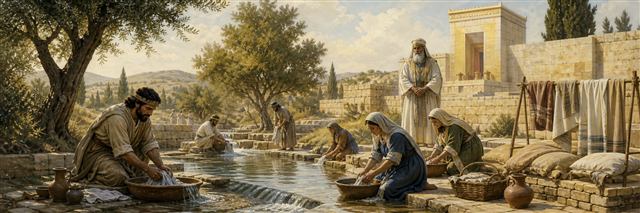
Leviticus 15 explains ritual impurity from bodily discharges and the washing, waiting, and offerings required for restoration.
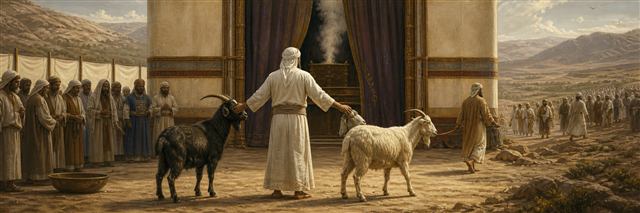
Leviticus 16 establishes the Day of Atonement, cleansing the sanctuary and sending the live goat into the wilderness.
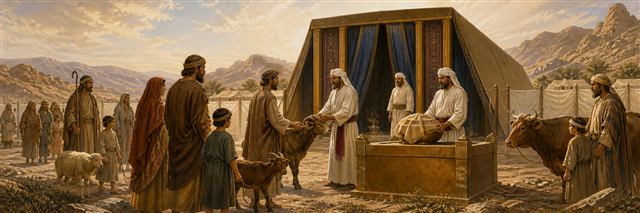
Leviticus 17 requires sacrifice at the tent of meeting and forbids consuming blood because blood represents life and serves for atonement.
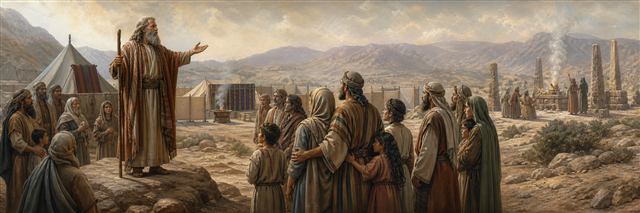
Leviticus 18 defines prohibited sexual relationships and warns Israel against practices that defile people and land.
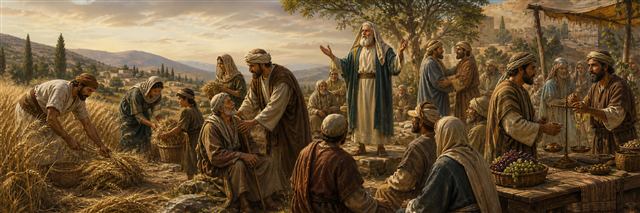
Leviticus 19 calls Israel to holiness through generosity, justice, honest dealings, respect, and love of neighbor.
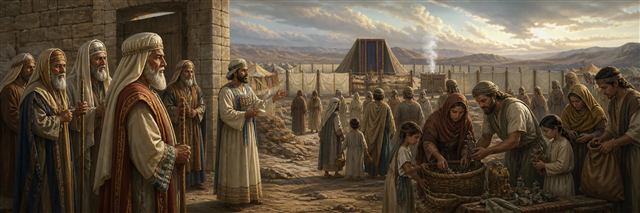
Leviticus 20 assigns penalties for serious covenant violations and calls Israel to holiness and distinction from surrounding practices.
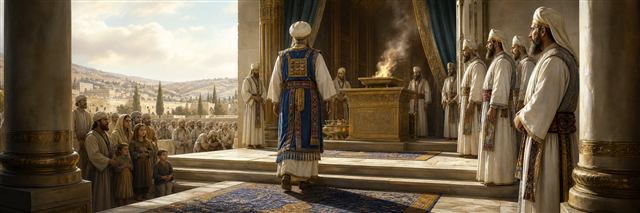
Leviticus 21 gives priests and the high priest particular responsibilities concerning mourning, family life, and sanctuary service.
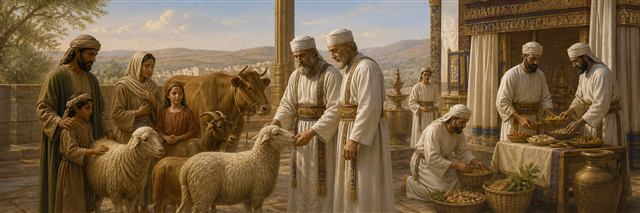
Leviticus 22 regulates holy food and requires acceptable, unblemished offerings presented with reverence.
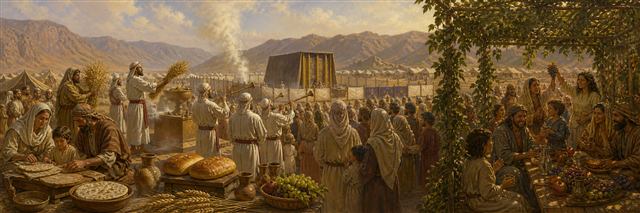
Leviticus 23 presents the Sabbath and Israel’s annual appointed festivals of remembrance, harvest, atonement, and rejoicing.
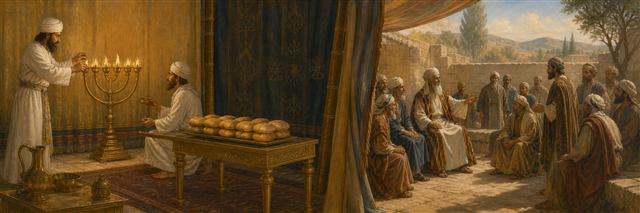
Leviticus 24 joins continual lamps and weekly bread with a blasphemy case and equal standards of justice.
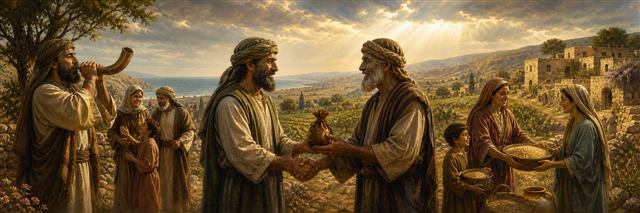
Leviticus 25 establishes Sabbath years and Jubilee, joining land rest, liberty, redemption, fair pricing, and care for poor neighbors.
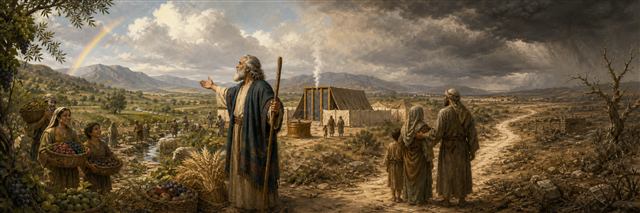
Leviticus 26 contrasts covenant blessings and escalating consequences, ending with confession, remembered covenant, and hope beyond exile.
Leviticus 27 regulates vows, valuations, redemption, devoted property, firstborn animals, and tithes.